Air in Kubu Raya Hits 594 µg/m3, Three Areas in West Kalimantan at Hazardous Levels
Baca dalam 60 detik
- Konsentrasi PM2.5 di Kubu Raya, Mempawah, dan Sintang melampaui ambang batas berbahaya, dengan Kubu Raya tertinggi mencapai 594,4 µg/m3.
- Kemenkes mencatat 174.694 kasus ISPA di wilayah terdampak karhutla, 40.363 di antaranya balita, sementara 209,78 hektare lahan masih terbakar.
- Pemerintah mengandalkan operasi modifikasi cuaca hingga musim hujan normal, tetapi risiko kesehatan jangka panjang dan tekanan ekonomi mulai membayangi.
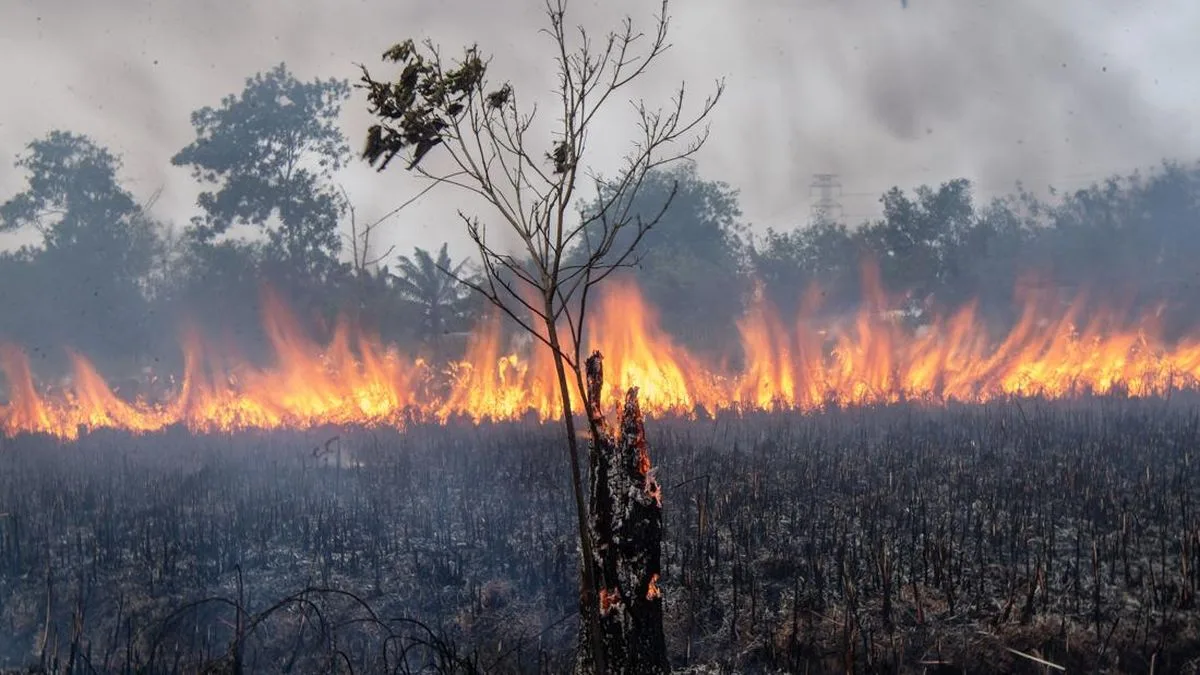
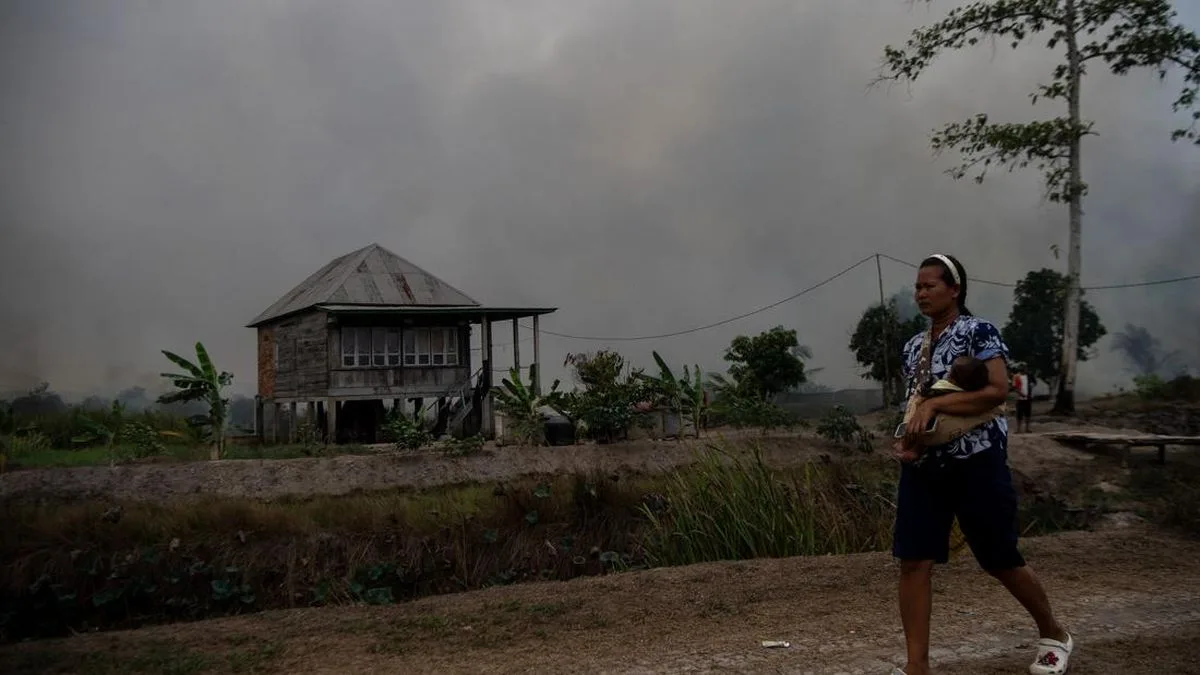
Air quality in three regencies in West Kalimantan—Kubu Raya, Mempawah, and Sintang—fell into the hazardous category on Wednesday (23/9), due to ongoing forest and land fires. BMKG monitoring at 13.00 WIB showed PM2.5 particulate concentrations in Kubu Raya reached 594.4 µg/m3, far above the hazardous threshold of >250 µg/m3. Mempawah followed at 470.7 µg/m3, while Sintang recorded 331.5 µg/m3.
Those figures place West Kalimantan as one of the epicenters of the haze crisis, which not only disrupts residents' activities but also triggers a surge in respiratory illnesses. The Ministry of Health reported 174,694 cases of acute respiratory infections (ISPA) in areas affected by forest and land fires from 18 August to 21 September 2026. Of that total, 40,363 cases affected children under five—the group most vulnerable to air pollution exposure.
BNPB data as of Tuesday (22/9) recorded 149 hotspots and nine fire points in West Kalimantan, with the area burned in the last 24 hours reaching 60.3 hectares. Visibility in the region was only 0.2–6 km, conditions hazardous for aviation and land transport. Meanwhile, BNPB Head Suharyanto, in a limited meeting with President Prabowo Subianto on Wednesday afternoon, reported that 209.78 hectares of forest and land were still burning in Sumatra and Kalimantan.
The government is intensifying weather modification operations (OMC) to trigger artificial rain in affected areas. Suharyanto said OMC would continue at least until the rainy season returns to normal. "We report that as of today there are 209.78 hectares still being extinguished. We are monitoring this day by day so that we ensure the area extinguished each day is large," he said in a statement from the Presidential Secretariat.
Although firefighting efforts and OMC continue, the impact of this year's forest and land fires highlights structural problems: weak law enforcement against land clearing by burning, and limited health infrastructure in the regions. ISPA affecting children under five can potentially cause long-term growth disorders, while poor air quality can reduce work productivity and increase public health costs.
Economically, the haze threatens the aviation and logistics sectors. Low visibility forces flight delays or cancellations, affecting goods distribution and people's mobility. For investors, operational uncertainty in Kalimantan—especially in the plantation and mining sectors—can trigger an increase in risk premiums. Regional governments are required not only to focus on extinguishing fires, but also on health mitigation and enforcement of environmental regulations.
Going forward, the big question: can OMC and firm sanctions break the annual forest and land fire cycle, or are we merely waiting for rain without improving land governance? Without structural reform, the haze crisis will recur, bringing new victims and an ever-accumulating economic burden.