Loblaw and EAIGLE Automate Distribution Gates, Unloading Time Drops to 3 Seconds
Baca dalam 60 detik
- Loblaw, peritel makanan terbesar Kanada, menerapkan gerbang otomatis di fasilitas unggulan mereka, memangkas waktu proses masuk dari 30 detik-5 menit menjadi sekitar 3 detik.
- Sistem ini terintegrasi dengan 7-8 API dari berbagai platform enterprise, menunjukkan bahwa tantangan utama bukan pada kamera melainkan pada kualitas data dan manajemen perubahan.
- Dengan target mengotomatisasi hampir setengah dari 26 pusat distribusi dalam dua tahun, langkah ini dapat menjadi preseden bagi efisiensi logistik ritel global, termasuk Indonesia.
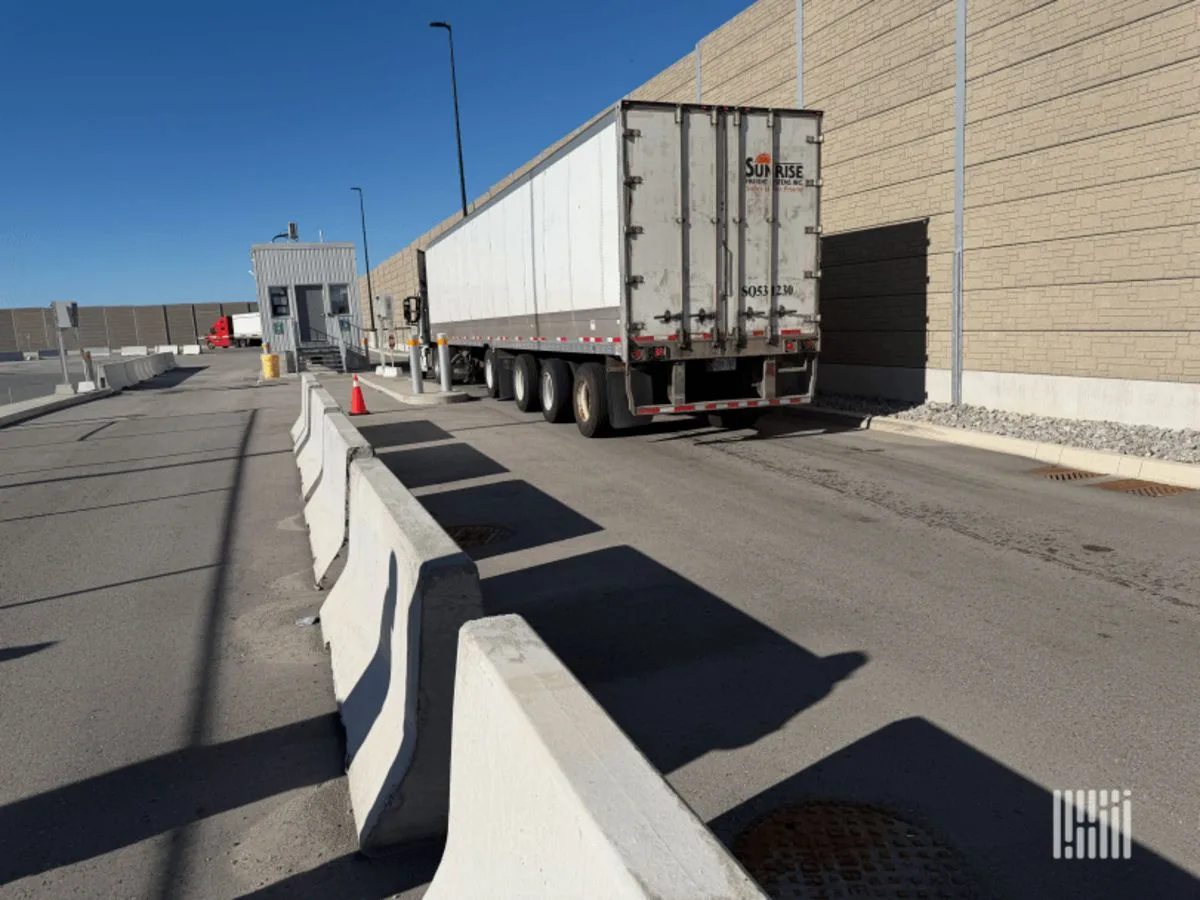
Loblaw Companies, Canada's largest food retail network with annual revenue of about CA$61 billion, has officially expanded the use of automated gates across its distribution network. The flagship facility serving as the pilot project can process inbound trucks in just three seconds and outbound trucks in four seconds, far faster than the conventional method that takes 30 seconds to five minutes per truck.
This move is not merely a trial. On September 16, Loblaw and EAIGLE—a technology company based in Markham, Ontario—announced a strategic partnership to deploy the AVAC platform across various yards and distribution centers. Wael Yehia, VP of National Transportation at Loblaw, stressed that the focus is on practical improvements in product movement. Meanwhile, EAIGLE CEO Amir Hoss emphasized that this is the scaling of a proven solution, not a pilot project.
The transaction speed comes from real-time integration with seven to eight API calls to separate systems, including Manhattan Active, SAP, Blue Yonder, TruckMate, C3 Solutions, and Setaris. Every arriving truck must pass trailer content validation, yard management verification, and automatic position logging. According to Steve Freas, Director of Transportation Systems at Loblaw, the inbound flow starts with validation at the supply chain hub, then moves to yard management, which verifies the trailer and its contents, and staff inside the building get a live picture of what is on site.
Even so, implementation is not without challenges. About 60-65% of drivers are third parties using a web app, while 30-40% are internal fleet drivers using a QR code app. This difference affects system design, especially in exception handling. Heather Fallo, Senior Manager of Transportation, explained that her team monitors the gates from inside the building via a monitor panel, and if a driver fails, an operator can enter data manually to maintain accuracy.
"The driver learning curve is the hardest part of this project. The most important message is that this automation is not going away," Fallo said.
Valuable lessons came from the change management aspect. Initially, the team placed personnel outside the gates for two months, but drivers still chose to interact directly rather than use the kiosk. After the personnel were moved inside to handle monitoring and exceptions, the kiosk became the only path, and adoption increased. This approach shows that removing the fallback option can accelerate the transition to a new system.
On the infrastructure side, Loblaw and EAIGLE managed to cut costs by 90-95% by replacing expensive intermodal arc gates with low posts and four ordinary cameras. Hoss revealed that the old setup was designed for airport-style gates that are unnecessary for ground operations. The cameras used are standard security cameras, and the AI analysis runs as a parallel stream, so existing camera installations can often be reused.
Currently, ten locations are under assessment, and the next facility will go live in mid-November as the first phase. Loblaw's ambition is to deploy automated gates at nearly half of its 26 distribution centers in the coming years. This move aligns with the global logistics industry trend of increasingly relying on automation to improve efficiency and reduce dependence on manual labor.
For Indonesia, this development offers valuable lessons. With rapid e-commerce and logistics growth, national retail and distribution companies could consider adopting similar technology to speed up the flow of goods, especially at major distribution centers such as Jabodetabek and Surabaya. However, the main challenge is not camera technology but data integration between systems, which is often fragmented. Digital infrastructure readiness and change management are key so that automation investment does not become a large cost without optimal results.
Going forward, the question is how quickly logistics companies in Southeast Asia, including Indonesia, can catch up in adopting automated gates? Will they follow in Loblaw's footsteps by completely overhauling infrastructure, or adopt a phased approach that better suits local conditions?