Indonesia National Team Wins Naturalization Race at ASEAN Cup 2026: 17 of 23 Players, Only 6 Local
Baca dalam 60 detik
- Dari 23 pemain yang dipanggil pelatih John Herdman, 17 di antaranya berstatus naturalisasi, menyisakan enam pemain lokal.
- Malaysia menjadi pesaing terdekat dengan lima naturalisasi dan tiga keturunan, sementara Vietnam mengandalkan empat pemain naturalisasi.
- Filipina justru memiliki pemain kelahiran luar negeri terbanyak, tetapi kebijakan paspor ganda membuat komposisi mereka berbeda secara administratif.
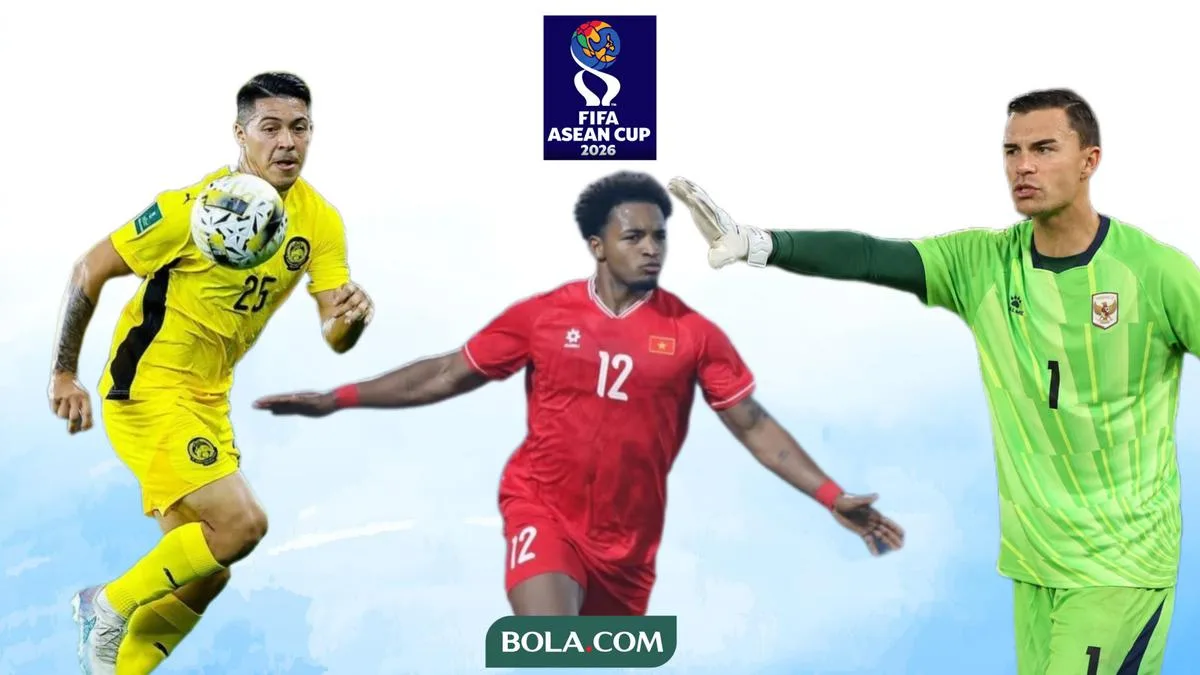
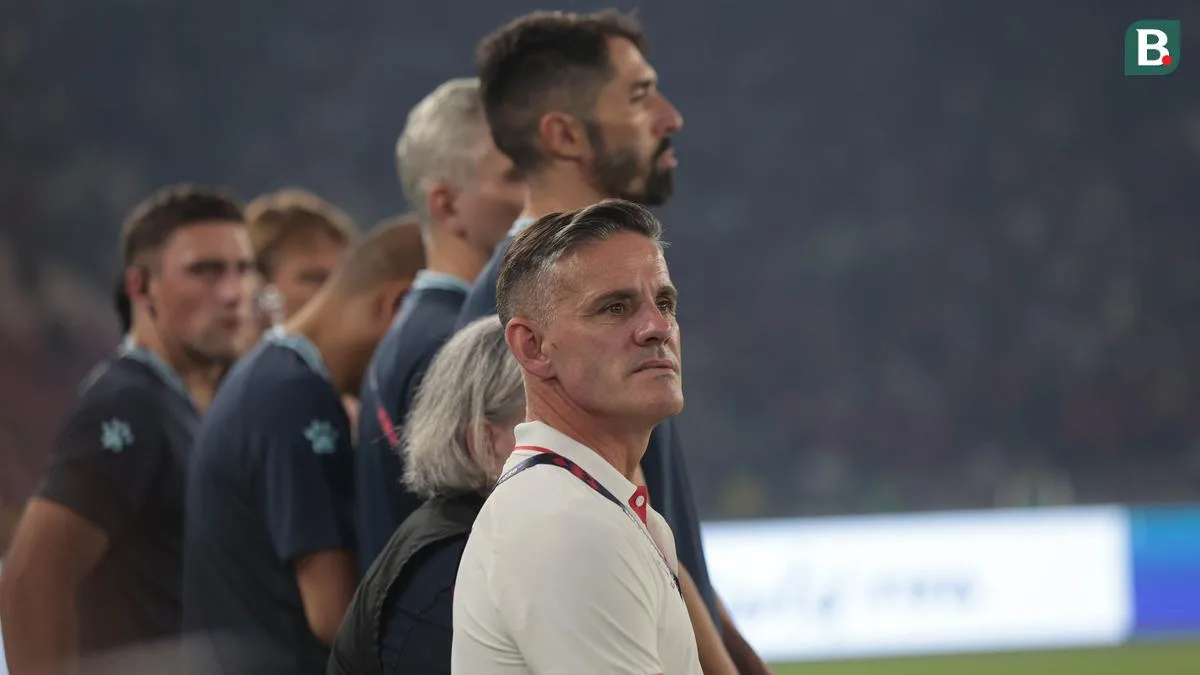
The composition of the Indonesia national team squad for the FIFA ASEAN Cup 2026 has come under scrutiny after coach John Herdman called up 23 players, 17 of whom hold naturalized status. That means only six local players made the final list, a proportion never seen before in Indonesia's history of participation in regional tournaments.
The figure places Indonesia as the heaviest user of naturalized ammunition among all contestants. Malaysia, long known for being aggressive with similar programs, brought only five naturalized players and three heritage players. Vietnam completed the podium with four naturalized players, while the Philippines has a different story because of its dual citizenship policy.
The scarcity of local players in the Merah Putih squad is tied to the absence of two previously relied-upon names, Dony Tri Pamungkas and Yakob Sayuri. Their positions were filled by Shayne Pattynama and Rizky Eka Pratama, who in fact reinforce the naturalized contingent. The situation raises questions about how far the national team depends on players from the diaspora.
Herdman also brought two heritage debutants, Luke Vickery, who officially became an Indonesian citizen in July 2026, and Dion Markx, who has already been playing in Indonesia since last season. Beyond them, familiar faces such as Ivar Jenner, Jordi Amat, Thom Haye, Ragnar Oratmangoen, Justin Hubner, Calvin Verdonk, Nathan Tjoe-A-On, and Kevin Diks remain the backbone.
On the Malaysian side, coach Tan Cheng Hoe called up five naturalized players: Romel Morales, Sergio Aguero, Manuel Hidalgo, Bradley Tapp, and Bergson da Silva. The last three are making their first appearances for Harimau Malaya. They are also bolstered by three heritage players, Dion Cools, Daniel Ting, and Fergus Tierney, who were born abroad but have Malaysian blood.
Vietnam is not far behind. Four naturalized players of Brazilian and French origin strengthen The Golden Star, namely Nguyen Xuan Son, Do Hoang Hen, Nguyen Tai Loc, and Cao Pendant Quang Vinh. Meanwhile, the Philippines has the highest number of foreign-born players, but its dual passport policy means they do not have to give up their original citizenship. The Azkals can field heritage players without a formal naturalization process.
"Differences in citizenship regulations among ASEAN countries mean comparisons of naturalization numbers cannot be read in black and white," noted a regional football observer.
For Indonesia, this naturalization surge is not merely a matter of short-term strategy. The legal processes still running through 2026 show that the federation and the government see this path as a quick solution to raise competitiveness at the Asian level. However, dependence on diaspora players raises a long-term risk: youth development could be neglected if instant results keep taking priority.
On the other hand, the ASEAN Cup 2026 is a stage to prove whether this approach can carry Indonesia beyond its previous achievements. With only six local players, the burden of proving that this team still has a strong national identity rests on the shoulders of Herdman and the naturalized players.
Going forward, the public should watch whether a similar composition becomes the norm in future tournaments, or instead triggers a sweeping evaluation of the direction of national football development. If this trend continues, it is not impossible that ASEAN football will split into two camps: countries that rely on the diaspora and countries that stay loyal to local products.