BlackRock: AI Agents Will Buy Their Own Computing Power Using Stablecoins
Baca dalam 60 detik
- BlackRock menilai agen AI otonom akan menjadi pendorong utama adopsi aset digital karena mampu bertransaksi tanpa campur tangan manusia.
- Stablecoin diprediksi menjadi instrumen pertama yang diuntungkan, sementara kontrak komputasi terstandar berpotensi menjadi aset yang diperdagangkan di masa depan.
- Meski masih tahap awal, langkah ini bisa mengubah lanskap pembayaran digital dan menantang dominasi sistem keuangan tradisional, termasuk di kawasan Asia Pasifik.
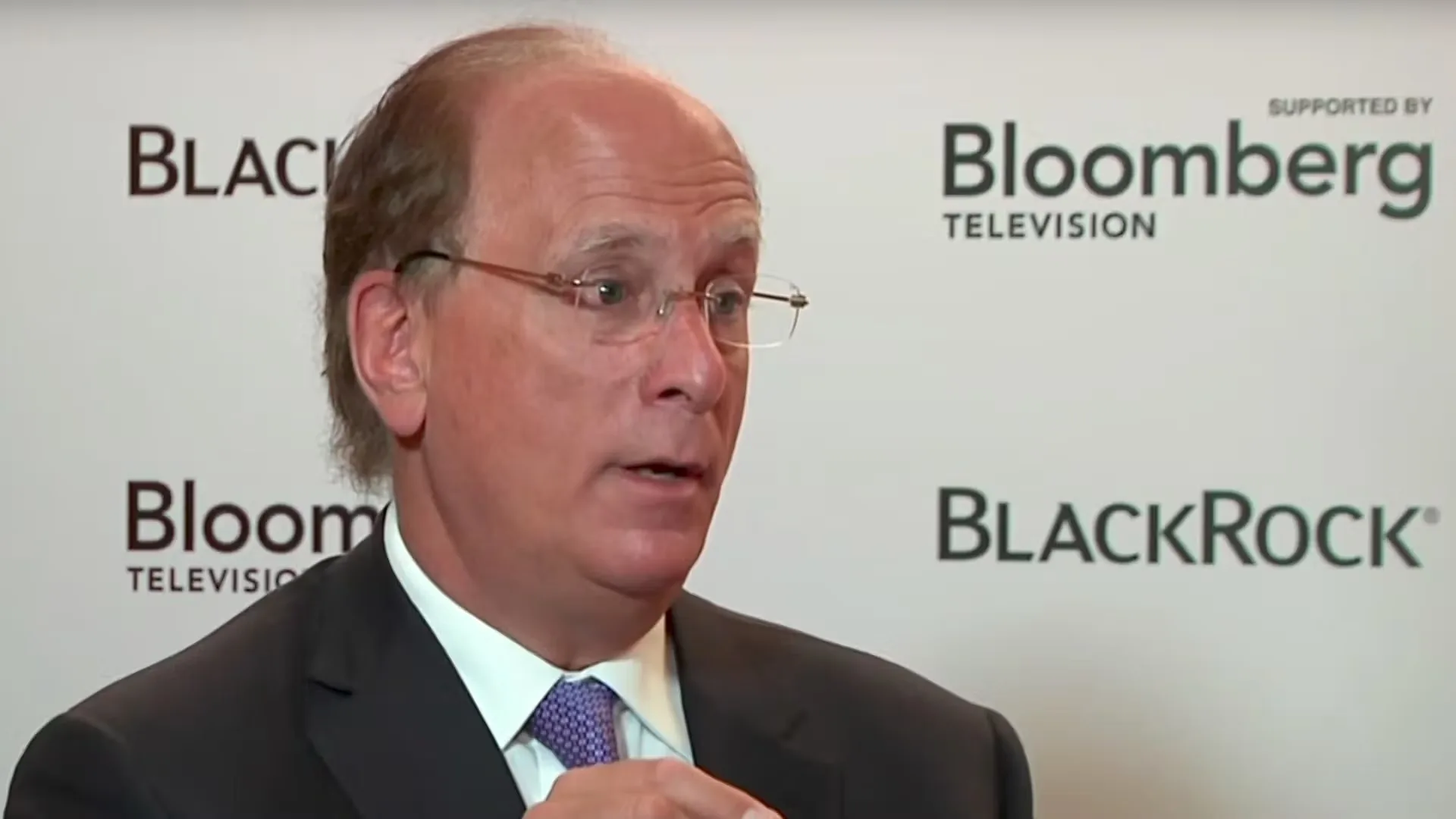
BlackRock, the world's largest asset manager, projects that autonomous artificial intelligence (AI) agents will soon buy computing power, data, and various digital services using stablecoins. In its latest paper, BlackRock calls AI the provider of "native machine intelligence", while digital assets serve as the payment and settlement infrastructure that allows agents to act on their own decisions.
According to BlackRock, AI agents carrying out specific tasks—such as requesting data, ordering services, or buying computing capacity—can make payments directly without waiting for human confirmation. Stablecoins are seen as the leading candidate because their value is relatively stable, making them suitable for pricing services, while blockchain networks support transactions 24 hours nonstop. BlackRock also highlights Coinbase's x402 protocol as one mechanism that allows agents to pay for online resources, including API calls.
In the long term, BlackRock sees a bigger opportunity in computing commodities. As demand for AI processing grows, standardized claims on computing capacity could potentially be traded, financed, or used as collateral through digital asset infrastructure. The paper cites analyst estimates that revenue from the main cloud businesses of Amazon, Microsoft, and Google could reach around USD1.1 trillion by 2030.
Even so, BlackRock acknowledges that payments by AI agents are still at an early stage. A liquid market for standardized computing contracts has yet to form, and adoption is still limited to experiments. However, BlackRock notes that conventional payment networks are also starting to adapt to agent commerce. This signals that the shift toward a machine economy cannot be ignored by traditional financial players.
"AI provides native machine intelligence, while digital assets provide the payment and settlement infrastructure agents need to act," BlackRock wrote in the paper.
For Indonesia, this development opens up both opportunities and challenges. On one hand, stablecoins can accelerate financial inclusion and the efficiency of cross-border transactions, especially for the e-commerce sector and digital services that are increasingly connected to AI. On the other hand, regulators such as Bank Indonesia and OJK need to anticipate risks of money laundering, volatility, and consumer protection if AI agents transact independently. The Asia Pacific region itself is described by BlackRock as an important laboratory for stablecoins entering regulated finance, with various rules and use cases starting to be mapped out.
Going forward, the question is no longer whether AI agents will transact on their own, but how quickly the payment ecosystem and regulations in Indonesia are ready to receive that wave. If not anticipated, Indonesia risks becoming merely a user market without control over digital payment infrastructure that is increasingly dominated by machines.