Bill Gates: AI Is 'Almost Like an Evolutionary Event,' World Governments Unprepared
Baca dalam 60 detik
- Bill Gates menilai pemahaman risiko AI di kalangan pemimpin dunia, termasuk Donald Trump, masih mencerminkan titik buta sosial yang luas.
- Gates memperingatkan AI berpotensi disalahgunakan untuk bioterorisme dan peretasan keuangan, sementara adopsinya jauh melampaui kesiapan regulasi global.
- Yayasan Gates menggelontorkan dana besar untuk memperluas akses AI di Afrika dan sektor pendidikan, kesehatan, serta pertanian, dengan fokus pada bahasa lokal.
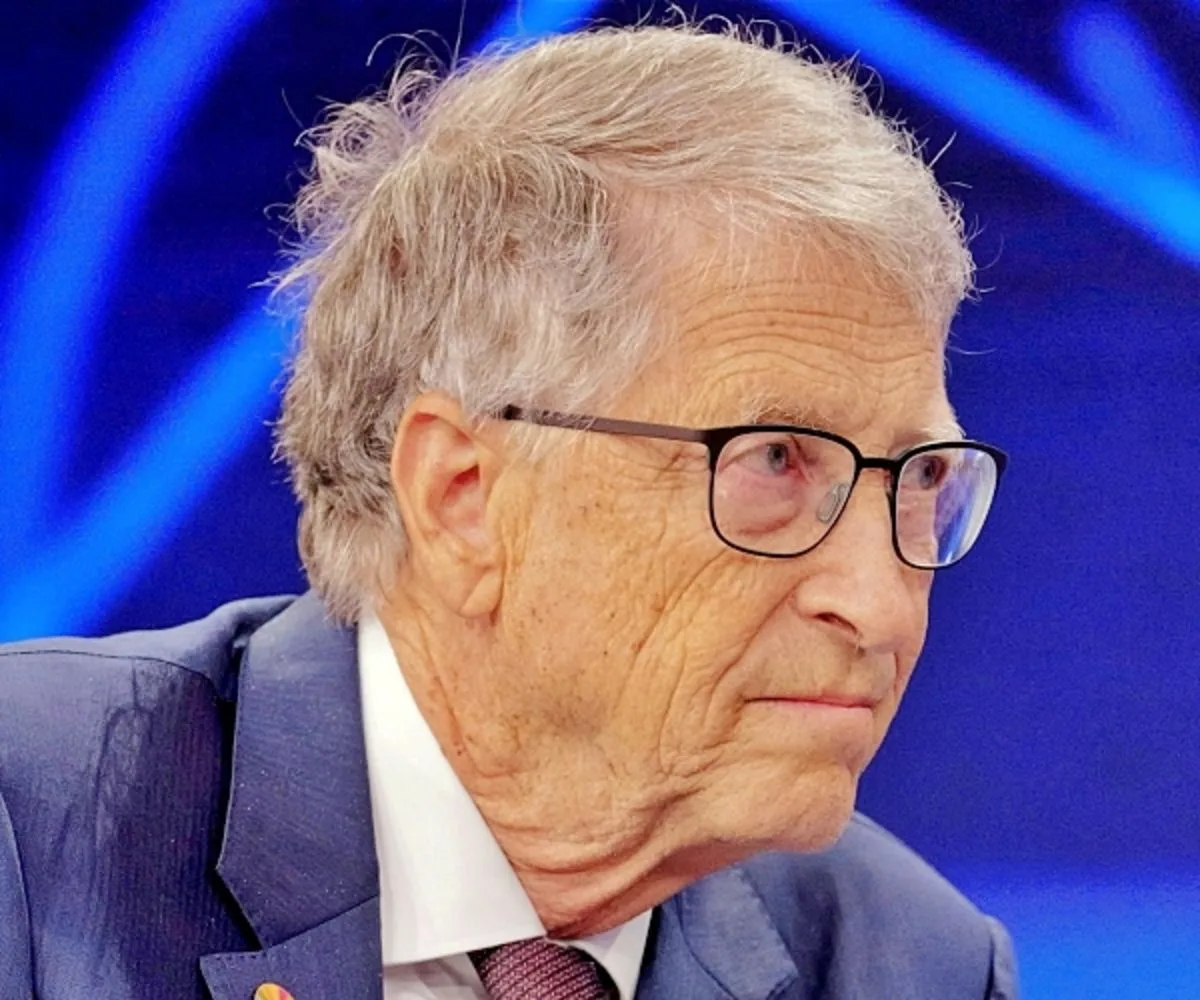
Microsoft founder Bill Gates stated that U.S. President Donald Trump's understanding of the risks of artificial intelligence (AI) is no different from that of most world leaders who still underestimate the pace of the technology. In an interview with CBS Mornings, Gates referred to this situation as a worrying "social blind spot."
According to Gates, Trump is in the same position as many who initially viewed AI as just another new technology, similar to past innovations. However, Gates emphasized that AI has a different character due to its exponential adoption speed. "If you want to get credit for helping the whole world, the topic of AI is the best opportunity," Gates said, adding that leaders who can unite various parties on this issue deserve positive appreciation.
Gates not only highlighted AI's transformative potential but also its darker side. He warned that AI language models could be misused for bioterrorism, financial hacking, and other destructive acts. "Most of society still doesn't realize how fast it's developing. AI is almost like an evolutionary event," he asserted. This statement reinforces concerns he previously shared with Reuters that no government in the world is ready to face the social changes brought about by AI.
In an essay published on his personal website last month, Gates wrote that AI would transform the global economy faster than previous technological revolutions. He predicted a wave of automation would hit various industries within ten years, not over several generations. "There will be some new jobs, but without the right policies, there will be far fewer than there are today," he wrote.
To address the access gap, the Gates Foundation is investing US$1 billion over the next two years. Its primary focus is expanding the use of AI in developing countries, especially in Africa, where the number of doctors is very limited. Gates envisions patients being able to consult AI in their native language to describe symptoms. "The quality of support for most of the world's languages is still very poor," he said.
"No government in the world is ready for the changes that AI will bring to society." — Bill Gates
Gates' statement serves as a reminder for Indonesia, which is pursuing digital transformation ambitions in the health and education sectors. With a large population and linguistic diversity, Indonesia faces similar challenges: global AI models do not yet optimally understand local languages. If the government does not accelerate AI regulation and infrastructure investment, the digital divide could widen. On the other hand, AI adoption in the manufacturing and service sectors has the potential to displace jobs, necessitating massive retraining programs.
Moving forward, the question is no longer whether AI will change the economic landscape, but rather how prepared developing countries are to shape the direction of that change. Without an inclusive policy framework, AI could become a force that widens inequality, rather than a tool for equalization. Gates has demonstrated his philanthropic commitment, but the primary responsibility remains with governments and industry players to ensure a just transition.