Sharon Stone Gives Up Directing Ambition: 'I'm Too Tired'
Baca dalam 60 detik
- Aktris senior Hollywood Sharon Stone mengungkapkan bahwa ia telah melepaskan cita-citanya menjadi sutradara film karena merasa terlalu lelah.
- Stone menyoroti perlakuan tidak adil terhadap perempuan di industri film yang membatasi peluang dan upah, serta mengkritik ekspektasi sosial terhadap perempuan pascamenopause.
- Ia juga berbagi pelajaran berharga dari mendiang Carrie Fisher tentang negosiasi kontrak dan pentingnya kemandirian finansial bagi perempuan di Hollywood.
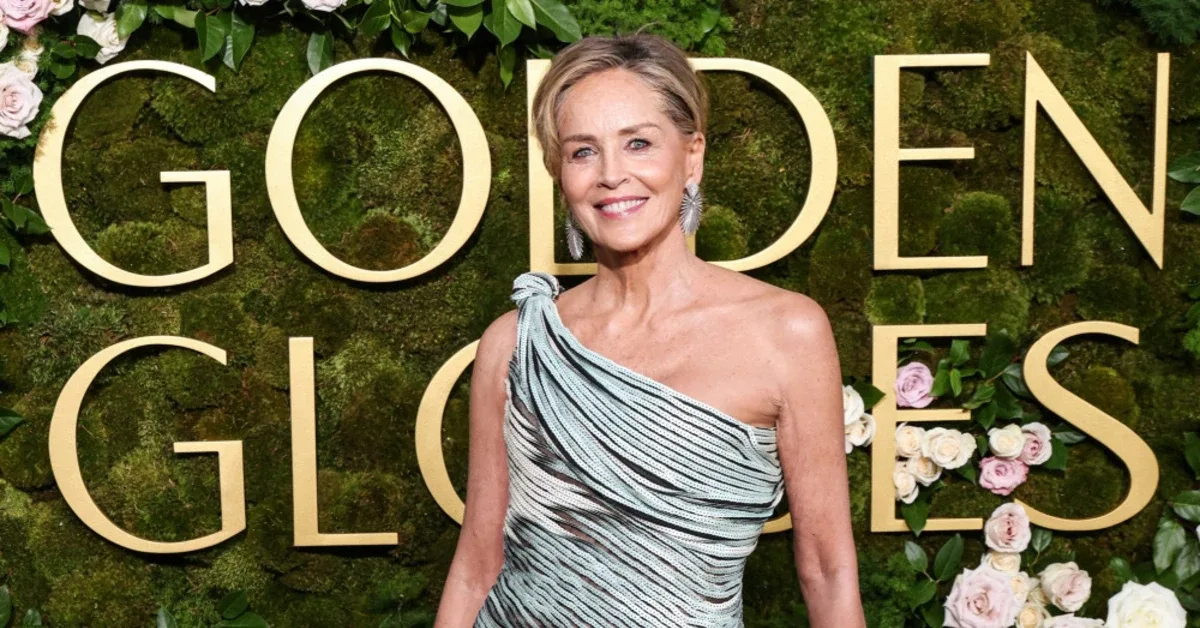
Veteran Hollywood actress Sharon Stone has openly declared she has given up her dream of becoming a film director. The 68-year-old admitted she no longer has the energy to handle the various problems of other people inherent in the role.
In an interview with Variety, the star of Basic Instinct revealed that she had long wanted to be behind the camera. However, she believed that her identity as a woman was a major obstacle to getting decent jobs and pay in the film industry in her youth. Now, Stone feels too tired to accept a role that demands solving other people's problems.
Stone linked her personal experience to the broader reality of gender discrimination in Hollywood. She mentioned having difficulty getting roles and intellectual recognition due to stereotypes against women. Even after reaching the peak of her career, she still faced obstacles in contract negotiations with film studios.
"I wanted to direct. But there was a troublesome vagina problem that prevented me from being allowed to have a job or be paid fairly or be considered to have an intelligent point of view," she said, using sharp sarcasm to describe gender prejudice.
She added that now, in her post-menopausal state, she feels too tired to deal with people's "bullshit" just to get a directing position. Stone prefers to live a happy life without listening to negative comments about herself.
On the same occasion, Stone paid tribute to the late actress Carrie Fisher, who taught her how to write acting contracts. According to Stone, that lesson was invaluable and helped her survive in a tough industry. She emphasized that agents often side with the studios rather than the actors, making it important for actors, especially women, to understand the contents of their contracts.
"Carrie Fisher taught me how to write my contract, thank God, a hundred years ago because her mother [actress Debbie Reynolds] taught her. And then the studios still wanted to give me trouble. 'You can't have that in your contract.' Well, guess what? Carrie could, Debbie could, and so can I. That's the power of women, ladies. Read your contracts, because the agents who work at your agency, they work for the studios, not for you," she stated.
Stone's statement comes after she previously opened up about her personal life. In the podcast Mayim Bialik's Breakdown, she admitted to having lived celibate for quite some time because her priorities have changed. She claimed to be a good partner but had not been in a romantic relationship for a long time. Stone stated that she currently only wants to be with someone she truly cares about, not just a partner for sexual relations.
She also mentioned that her three adopted children—Roan (26), Laird (21), and Quinn (20)—are now adults, so she is looking for a companion, not just a lover. Stone admitted to being tired of unsatisfying relationship dynamics and is currently in a "no-luck" phase that she must go through to get what she truly wants.
Stone's decision to step down from the director's chair reflects the challenges still faced by women in the global entertainment industry, including in Indonesia. Although several Indonesian female directors like Kamila Andini and Mouly Surya have broken into the international scene, the gender gap in terms of opportunities and pay remains an issue. Stone's statement can serve as a mirror for the Indonesian film industry to continue promoting inclusivity and equality.
Going forward, will Stone's confession trigger systemic change in Hollywood, or will it merely serve as a reminder that the struggle for women in the creative industry is still long? What is clear is that Stone's voice adds to the long list of calls for gender justice behind the scenes.