Chelsea Handler Denies Firing Comedian Salma Hindy Over Palestine Support, Now Threatens Legal Action
Baca dalam 60 detik
- Chelsea Handler membantah tudingan memecat Salma Hindy dari posisi pembuka tur karena komika itu vokal soal Palestina.
- Salma Hindy menuduh adanya pembalasan terselubung dan mengklaim Handler tengah menyiapkan langkah hukum terhadapnya.
- Kasus ini menyeruakkan kembali perdebatan soal kebebasan berpendapat dan tekanan industri hiburan di tengah isu geopolitik.
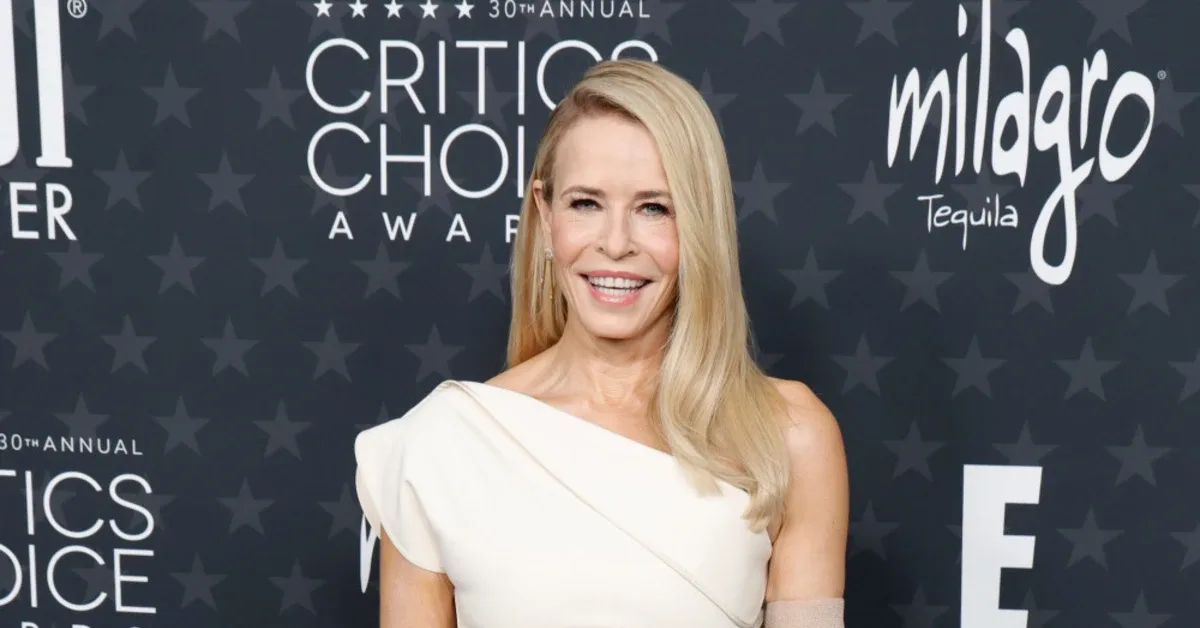
Veteran comedian Chelsea Handler has strongly denied allegations that she ended her working relationship with comedian Salma Hindy as a tour opener because of Hindy's political stance in support of Palestine. Handler made the denial in the comments section of Hindy's post, along with screenshots of a conversation that she claims prove Hindy chose to step down rather than being fired.
The dispute became public after Hindy, a Canadian-Egyptian comedian, posted a video on Instagram this week. She said she lost her position as Handler's tour opener after asking Handler to talk about the Palestine-Israel issue. According to Hindy, their relationship had previously been warm and close; she even described it as sisterly. She had opened several Handler tours since 2022.
In the video, Hindy claims she had asked whether Handler wanted to discuss the issue, especially after tweets by two famous comedians, Sarah Silverman and Amy Schumer, that she considered racist toward Palestinians. Hindy said she received no response, then was pulled from three show dates. She also said two other dates were canceled at short notice because of bad weather without direct notification to her. Although Handler's team bought her a plane ticket back to New York, Hindy said she was not reimbursed for other expenses she had incurred.
Handler responded in a firm tone. In comments quoted by several media outlets, she wrote that Hindy's version of the story did not match the facts. She insisted that Hindy resigned, and that she has emails from Hindy's agent as proof. Handler also denied that she would fire someone merely for a difference in political views. She included screenshots showing approval of travel expense reimbursement.
Hindy then responded via Instagram Story. She clarified that the reimbursement email Handler showed was from January 2022, while her complaint concerned expenses for two shows canceled in January 2024. She acknowledged that Handler's team bought her return ticket, but she was not reimbursed for other tickets and hotel costs she had already paid. Hindy said she chose to withdraw from the remaining dates after her representatives conveyed through several phone calls that the reimbursement request had been denied, and that prolonging the matter could end her working relationship with Handler.
She also repeated that her manager at the time, whom she described as Jewish, told her by phone that she was allegedly being pushed out because of the Palestine issue. Hindy stressed that the statement was not a direct written statement from Handler, but rather the context that led her to decide to step down. She then sought legal help by reaching out to lawyers experienced in defamation, media/First Amendment law, or Palestine-related retaliation to consult or assist pro bono.
"Chelsea personally told me that she had contacted her lawyer and considers my story libelous. I did not initiate legal action. I am only trying to protect myself," Hindy wrote.
This case is not merely a dispute between two comedians. It touches a sensitive point in the global entertainment industry: the extent to which freedom of expression, especially on geopolitical issues such as Palestine, can affect an artist's job opportunities. In the United States, waves of protests and boycotts against public figures seen as being on the opposing side of the Palestine issue have sparked debate over the boundary between personal views and professional consequences. For Handler, who is known for being politically outspoken, the allegation could potentially erode her image as a consistent liberal figure.
For readers in Indonesia, this polemic is a mirror of how international issues can spill over into work and professional contracts. Although the legal and cultural contexts differ, similar patterns often emerge domestically when a public figure faces pressure from public opinion because of their political stance. Indonesia's creative industry, which is increasingly connected to the global market, needs to observe how the boundary between freedom of expression and commercial consequences is tested in various jurisdictions.
Going forward, attention will focus on whether Handler actually pursues legal action, and whether Hindy obtains the legal representation she is seeking. More importantly, the public is waiting to see whether there will be additional evidence that can clarify the chronology, especially regarding communication between the two sides' management. Without independent clarification, the case risks becoming a battle of narratives on social media rather than a resolution that satisfies both parties.