Lynk & Co 900 PHEV Catches Fire in Hangzhou, Dealer Blames Power Bank
Baca dalam 60 detik
- SUV plug-in hybrid Lynk & Co 900 terbakar di kawasan komersial Hangzhou, China, pada 9 September 2026.
- Dealer resmi menampik spekulasi kebakaran akibat baterai tegangan tinggi dan menyalahkan powerbank milik konsumen.
- Investigasi pemadam kebakaran masih berlangsung; kesimpulan resmi akan menentukan arah klaim dan potensi implikasi hukum.
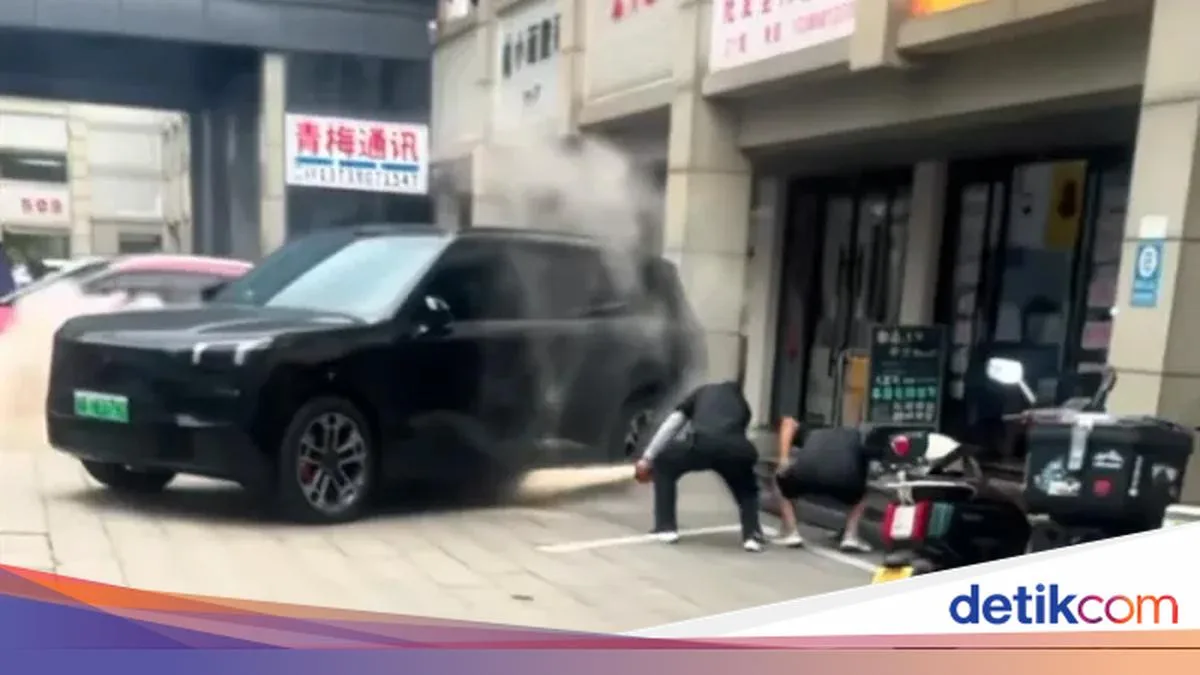
A fire that engulfed a Lynk & Co 900 plug-in hybrid SUV in Hangzhou, Zhejiang Province, China, on 9 September 2026 has sparked fierce debate over electric vehicle battery safety. The official dealer Hangzhou Lingyue Lynk & Co Centre moved quickly to deny that the incident was caused by the high-voltage battery, blaming a customer's power bank as the source of the blaze. The claim comes amid growing public scrutiny of electrified vehicle safety standards in the world's largest automotive market.
The incident occurred at around 16.06 local time in a commercial area. Amateur footage circulating online showed thick smoke and flames from the underside of the parked SUV. Firefighters arrived at the scene and managed to extinguish the fire, but the video did not provide enough visual evidence to determine whether battery components were involved. The exact cause is still awaiting the results of an official investigation by the local fire department.
In its official statement, the dealer said that according to the vehicle owner, a pedestrian dropped a power bank that was then kicked under the car. The device is suspected to have caught fire spontaneously and ignited the blaze that burned the underside of the vehicle. The dealer stressed that the fire did not originate from the vehicle's battery or from the car's electrical system itself. "According to the car owner, the fire was caused by a power bank that caught fire spontaneously. The power bank fell and struck the underside of the car, and the fire did not come from the vehicle's battery or the vehicle itself," the dealer's official statement read, as quoted by local media.
The dealer also dismissed claims circulating online that the Lynk & Co 900 caught fire spontaneously. It urged the public to respect the facts and wait for the conclusion of the authorities. "Claims circulating online that 'the Lynk & Co 900 caught fire spontaneously' do not match the actual situation at the scene. We urge all netizens to respect the facts and rely on the conclusions of the fire department and the authorities, and not to spread unverified information," the dealer said, while threatening legal action against those spreading false rumors.
For the Indonesian automotive market, this event is a reminder that the transition to electric vehicles is not only about technology adoption, but also about the readiness of the safety and regulatory ecosystem. The Indonesian government is pushing to accelerate electrification through incentives and the construction of charging infrastructure. However, fire incidents involving electric vehicles—regardless of the cause—could erode consumer trust if not matched by transparent risk communication and credible investigations. Domestic manufacturers and dealers need to learn the importance of fast, evidence-based crisis management, especially in an era of social media prone to disinformation.
In addition, this case highlights the need for strict battery testing standards and a centralized incident reporting mechanism. In many countries, including Indonesia, data on electric vehicle fires remains scattered and often unverified. Without a transparent system, this void will be filled by speculation that harms all parties—consumers, manufacturers, and regulators alike. The Lynk & Co dealer in China has set an example of a proactive response by releasing an official statement and threatening legal action, but a repressive approach without independent evidence can backfire.
Going forward, the fire department's investigation results will determine whether the dealer's claim is accepted or instead raises new questions about PHEV battery safety. If the power bank is proven to be the cause, the incident remains a lesson on the importance of consumer education regarding the storage of electronic devices inside the cabin. Conversely, if there is battery involvement, Lynk & Co—owned by Geely—could face serious regulatory and reputational pressure, especially in export markets such as Indonesia, which is building trust in electrified vehicles. Will Indonesian authorities tighten battery certification standards following this incident, or continue to rely on the existing regulatory framework?