Toyota Prepares Affordable BEV in Indonesia, Chinese Automakers Start to Take Notice
Baca dalam 60 detik
- Toyota Astra Motor mengkaji peluang menghadirkan mobil listrik baterai di segmen entry-level, tetapi belum menetapkan tenggat peluncuran.
- Strategi multi-jalur Toyota masih bertumpu pada mesin bensin dan hybrid, dengan elektrifikasi baru menyumbang sekitar 21% dari total penjualan.
- Jika terealisasi, BEV murah Toyota berpotensi mengubah peta persaingan yang selama ini dikuasai merek China dan menjadi katalis bagi rantai pasok baterai domestik.
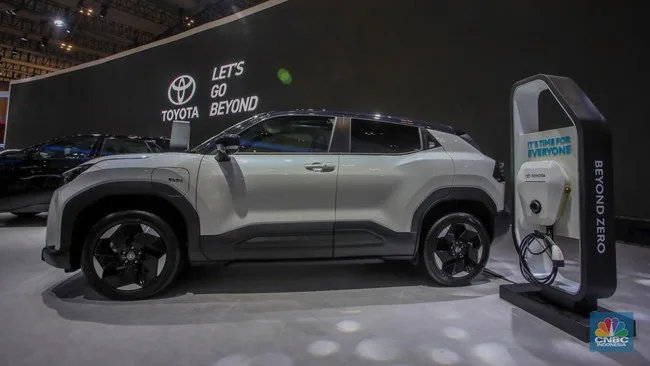
PT Toyota-Astra Motor (TAM) is opening the option of bringing a battery electric vehicle (BEV) to the affordable price segment, a move that, if realized, would change the landscape of Indonesia's electric car market, which has recently been dominated by Chinese brands. However, management stressed that the plan has not reached a final decision stage because it is still under study.
TAM Marketing Director Bansar Maduma said the company continues to map domestic consumer needs, including the opportunity to offer a BEV in the entry-level segment. "We always strive to present products that match people's needs, but there are a number of priorities and we still need time for study," he said at the 2026 Toyota Journalist Test Drive event in Yogyakarta on Wednesday (16/9/2026). He added that the development direction is already heading there, but the launch timing cannot yet be confirmed.
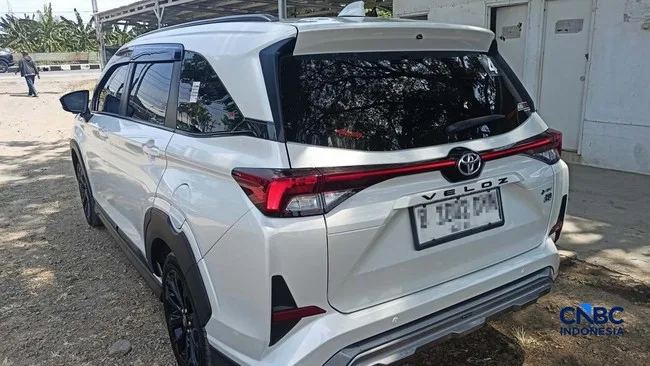
Toyota's cautious approach is reflected in its multi-pathway strategy, which retains internal combustion engines (ICE), hybrids, and BEVs. One step to broaden electrification access is the presence of the Veloz Hybrid EV, which targets consumers with more moderate purchasing power. Bansar acknowledged that hybrids were previously associated with premium prices, and the Veloz Hybrid EV was designed to break that assumption.
"The market response to the Veloz Hybrid EV has been quite strong and is one of our considerations for developing the next electrification technology," Bansar said.
Even so, electrified vehicles account for only about 21% of Toyota's total sales in Indonesia. That means around 79% of sales are still supported by ICE models. This composition shows that the energy transition in the mass segment is not moving as fast as many expected, and Toyota appears unwilling to rush replacing its traditional customer base.
If Toyota actually realizes an affordable BEV, the impact on the Indonesian market could be layered. First, Chinese brands that currently dominate the affordable BEV segment—such as Wuling, BYD, and Chery—will face a competitor with the widest distribution and after-sales service network in the country. Second, consumers could enjoy more choices at competitive prices, which would ultimately push down BEV prices in general. Third, the government can use this momentum to accelerate the realization of the national electric vehicle adoption target.
For investors and industry players, this signal from Toyota deserves attention. The domestic battery supply chain, including nickel smelter projects and battery cell plants, will become more attractive if demand for lower-segment BEVs rises. Conversely, dealers and ICE component suppliers need to prepare for a gradual shift. Fiscal incentive policy for BEVs is also a key variable: without adequate price support, affordable BEVs will still struggle to compete with gasoline cars in a price-sensitive segment.
What is clear is that Toyota does not want to repeat the mistakes of other brands that switched to electric too aggressively without accounting for infrastructure readiness and purchasing power. This gradual approach may seem slow, but for Toyota, maintaining long-term market share matters more than chasing short-term achievements. The question now is: how quickly can Toyota lower BEV production costs so that prices become truly affordable, and will Chinese automakers respond with a more aggressive pricing strategy?