Improved Seeds as the Key to Food Sovereignty: A New Strategy for Facing the Climate and Fertilizer Crisis
Baca dalam 60 detik
- Pengembangan varietas unggul melalui genetic gain menjadi fondasi ketahanan pangan nasional di tengah perubahan iklim dan ketidakpastian pasokan pupuk.
- Benih berperan sebagai kendaraan yang mentransfer sifat unggul dari laboratorium ke lahan petani, namun industri perbenihan masih menghadapi tantangan produksi dan distribusi.
- Pendekatan baru yang menyeimbangkan input eksternal dengan kemampuan biologis tanaman berpotensi mengurangi kerentanan petani terhadap fluktuasi harga global.
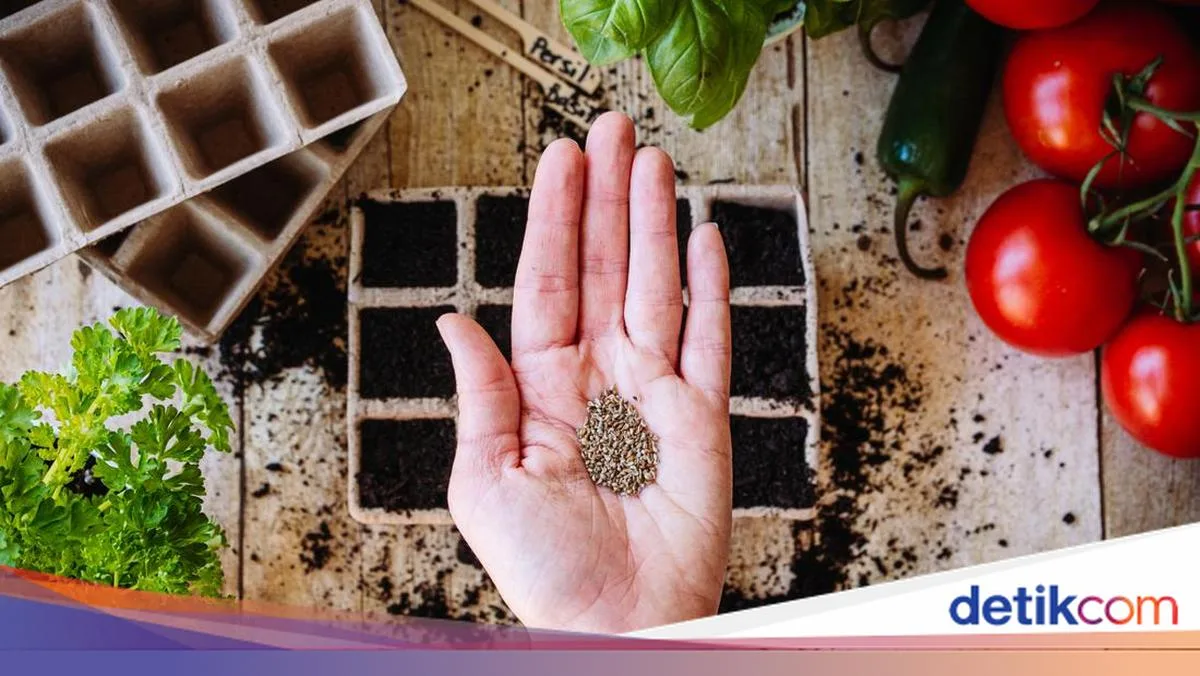
Indonesia's food security can no longer rely solely on fertilizer, irrigation, or pesticides. Behind all those agricultural inputs lies a far more fundamental factor that is often overlooked: the genetic quality of seeds. A plant's ability to remain productive under climate stress and pest attacks begins with the traits contained in the seed itself.
This concept is known as genetic gain—continuous progress in producing varieties superior to previous generations. According to Eka Tarwaca Susila Putra, a lecturer at the Faculty of Agriculture, Universitas Gadjah Mada (UGM), modern varieties are not enough if they merely have high yields; they must also be water-efficient, efficient in nutrient uptake, and resistant to drought and disease. "The periodic development of improved varieties is the core strategy for facing climate change and fertilizer constraints," he said in a column published in a national media outlet.
This approach offers a multifaceted solution: a single variety can address several production problems at once. For example, drought-tolerant varieties help farmers maintain harvests when water is scarce, while nutrient-efficient varieties reduce fertilizer needs. "Not every problem has to be solved by adding external inputs. Some can be overcome from within the plant itself," added Eka, who also serves as Head of the Department of Crop Cultivation at UGM.
The urgency of developing improved seeds is felt even more when global fertilizer supplies are disrupted. When fertilizer prices surge due to geopolitical conflict or export policies in producing countries, Indonesian farmers are in a vulnerable position. If productivity can only be maintained with high fertilizer doses, national food security also depends on the international market. "The solution is not to eliminate fertilizer, but to reduce vulnerability with varieties that are more nutrient-efficient," Eka stressed.
In addition, plants can be designed to work with soil microorganisms that help nutrient absorption. This approach paves the way for a more sustainable and self-reliant agricultural system. "Varieties capable of benefiting from microbial assistance will reduce dependence on inorganic fertilizer," he explained.
However, genetic innovation will have no impact without strong seed technology. Seeds are the vehicle that carries superior traits from the laboratory to millions of hectares of land. "A plant's superiority is only felt when it reaches the farmer's field. This is where the role of the seed industry is very important," said Eka. He emphasized the need for the ability to multiply seeds quickly, maintain quality, and ensure timely availability.
"Food sovereignty is not just about producing enough food, but also about controlling the main source of that productivity itself," said Eka Tarwaca Susila Putra.
For Indonesia, the policy implications of this idea are enormous. The agricultural research and development budget needs to be allocated more heavily to plant breeding. Cooperation between research institutions, universities, and the seed industry must be strengthened. Regulations that facilitate the release of new varieties are also urgent, without neglecting biosafety aspects.
On the other hand, farmers as end users need to be involved from the start. Outreach and training on the benefits of improved varieties must run in parallel with the availability of seeds on the market. Without that, technology adoption could be slow. "Farmers will switch to new varieties if they see real evidence in their own fields," said Eka.
Going forward, the national food security strategy must shift from merely adding inputs to strengthening the biological capacity of plants. The combination of improved varieties, seed technology, and proper cultivation practices will make food production more resilient in the face of climate change and global shocks. The question is, is Indonesia ready to make seeds a top priority on the food sovereignty agenda?