KPK Warned of Corruption Risks at ATR/BPN Before Summarecon Sting: A Danger Signal for Land Governance
Baca dalam 60 detik
- KPK mengaku telah mengidentifikasi titik rawan korupsi di Kementerian ATR/BPN jauh sebelum operasi tangkap tangan terhadap delapan tersangka suap blokir HGB Summarecon di Bogor.
- Layanan pertanahan yang tertutup disebut menjadi pintu masuk praktik pungli, calo, hingga suap-menyuap yang merugikan iklim investasi properti.
- Kasus ini membuka pertanyaan besar tentang efektivitas rekomendasi antikorupsi dan perlunya pembenahan sistemik di sektor pertanahan.
The Corruption Eradication Commission (KPK) said it had long warned the Ministry of Agrarian Affairs and Spatial Planning/National Land Agency (ATR/BPN) about the high vulnerability to corruption in the institution. The warning was issued before the hand-catching operation (OTT) that named eight suspects in an alleged bribery case involving the unblocking of Summarecon's building use rights (HGB) in Bogor Regency, West Java.
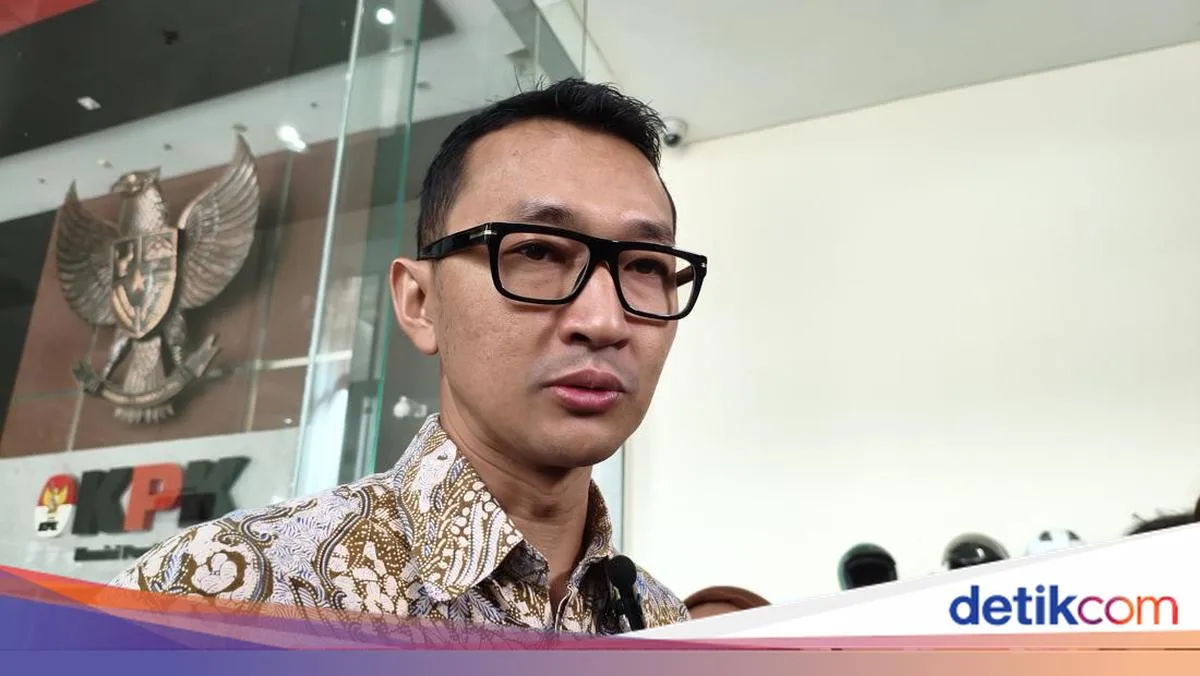
KPK spokesperson Budi Prasetyo said the KPK Monitoring Directorate had mapped public service points at ATR/BPN that carry a high risk of corruption. "We have identified which areas have high vulnerability," he said at the KPK's Red and White Building in South Jakarta on Wednesday (16/9/2026).
Budi added that the KPK had also submitted a number of improvement recommendations. According to him, if those recommendations had been carried out seriously, this OTT should not have been necessary. "We gave recommendations so that the KPK's notes would be followed up, so that the gaps still open could be closed," he said.
The KPK highlighted that a number of public services at ATR/BPN remain closed. This condition is seen as opening room for illegal levies, the role of brokers, and bribery. "Why can corruption happen? Because the public service mechanism is closed, so there is room for illegal levies, brokers, even bribery," Budi explained.
The case began with an application to extend and split HGB into Certificates of Ownership (SHM) for land managed by Summarecon in Bogor. Part of the land is alleged to still be in dispute with the heirs of the original owner. The heirs had filed a lawsuit with the Bandung State Administrative Court and blocked nine of Summarecon's SHGB. However, the lawsuit was later withdrawn.
According to Acting KPK Director of Investigation Achmad Taufik Husein, communication then took place between Summarecon intermediaries Yaser Alfarisi and Rizal Pahlevi and Erwin, a trusted aide of ATR/BPN Minister Nusron Wahid. Erwin reportedly said that the Head of the Bogor Land Office, Sontang, would not lift the block without direction from a superior.
"YA and LEV as Summarecon intermediaries approached ERW, who is a trusted aide of the Minister, to help communicate with SON for the unblocking and splitting of the HGB," Taufik said.
In early August 2026, Sontang through Erwin allegedly asked for Rp 2 billion for the issuance of the certificates. Summarecon only agreed to Rp 1.5 billion. On 27 August 2026, Summarecon President Director Adrianto Pitojo, through Yaser and Rizal, allegedly handed Rp 1.5 billion to Erwin. Erwin then allegedly gave Rp 200 million to Sontang as a fee for unblocking and splitting the HGB.
For property market players and investors, this case is a severe blow to legal certainty in land matters. A permitting process that should be transparent and rule-based is instead alleged to be lobbied with money. This could raise implicit costs, slow project development, and reduce investor confidence, especially among foreign investors, who have relied on the integrity of Indonesia's land system.
In addition, the case shows that the KPK's recommendations have not been fully implemented. If early warnings are ignored, corruption risks will keep recurring. The ATR/BPN Ministry needs to immediately fix its governance, including service digitalization, procedural transparency, and attached supervision. Without that, public trust in bureaucratic reform will erode.
Going forward, the public is waiting to see whether the KPK will push for systemic improvement or stop at individual enforcement. More importantly, is there political will to close gaps that businesses have complained about for years? Without real action, OTTs will only become a routine episode in the chronicle of corruption in the land sector.