Houthis Claim Downing Saudi F-15 in Marib, Deny Striking Mecca: A New Threat to Indonesia's Energy?
Baca dalam 60 detik
- Houthi mengklaim menembak jatuh jet tempur F-15 Arab Saudi di Provinsi Marib dengan rudal buatan lokal, sementara Riyadh belum mengonfirmasi.
- Kelompok itu juga membantah menargetkan Makkah dan menegaskan serangan hanya di fasilitas minyak serta pangkalan militer.
- Eskalasi di Laut Merah dan Bab al-Mandab berpotensi mengganggu ekspor minyak Saudi, dengan implikasi pada harga energi dan inflasi Indonesia.
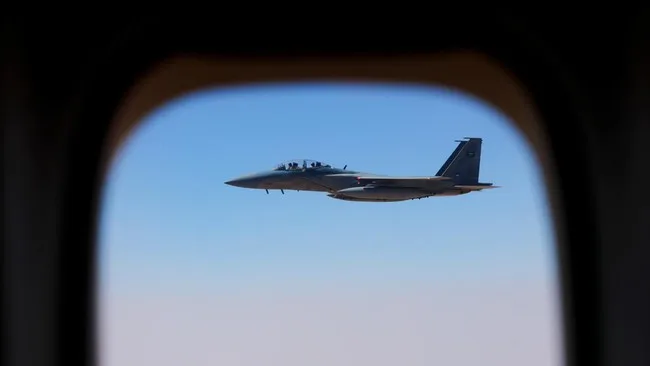
The Houthi group in Yemen claimed to have shot down a Saudi Arabian F-15 fighter jet in the airspace of Marib Province on Wednesday (16/9/2026). Houthi military spokesperson Yahya Saree said the aircraft was downed using a locally produced air-to-air missile. As of this news being published, Saudi authorities have not given official confirmation of the claim.
In a statement circulated via social media, Saree said the shooting operation took place while the jet was carrying out an aggressive mission to support Saudi military mobilization in Marib. He also accused Riyadh of launching 450 attacks over the same period. The claim marks a new escalation in the Yemen conflict, which has heated up again since July 2026.
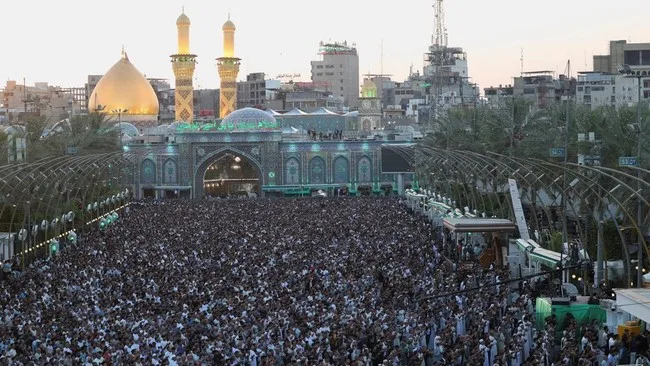
Responding to accusations that the Houthis targeted the Holy City of Mecca, Saree firmly denied it. He stressed that their operations only target oil facilities and military bases located far from holy sites. The denial came after Saudi Arabia had earlier accused the Houthis of launching an attack toward Mecca this week.
Since Yemen's civil war flared up again in July, the Houthis have been engaged in fierce battles with Yemeni government forces backed by the Saudi-led coalition. The Iran-backed group also announced a maritime blockade against Saudi Arabia and targeted Saudi ships in the Red Sea. Last week, the Houthis claimed to have seized the entire Yemeni Red Sea coast as well as the Bab al-Mandab Strait.
The Bab al-Mandab Strait is a vital route for Saudi Arabia's crude oil exports, especially after the wider war in the Middle East disrupted shipping traffic through the Strait of Hormuz. Houthi control of the strait could disrupt energy shipments from the Gulf to global markets, including Asia.
"Our operations target oil facilities and its military bases, which are far from holy sites," said Yahya Saree.
For Indonesia, the escalation in the Red Sea and Bab al-Mandab is a serious concern. As a crude oil importer, supply disruptions from Saudi Arabia could push up world oil prices, which in turn would burden the energy subsidy budget and trigger inflation. In addition, alternative shipping routes through the Malacca and Sunda Straits could become more congested, raising logistics and shipping insurance costs.
The Indonesian government needs to anticipate this chain effect, especially by strengthening energy source diversification and strategic reserves. Investors in the energy and commodities sectors should also closely monitor developments in Bab al-Mandab, as prolonged tensions could reshape the global oil trade map.
Going forward, will the Houthis expand their maritime blockade to non-Saudi ships? And how will the Saudi-led coalition respond to retake control of Bab al-Mandab? The answers to these questions will determine the direction of energy prices and regional stability.