India Imposes 0.4% Fee on UPI Transactions, Sparking Debate Over the Future of Digital Payments
Baca dalam 60 detik
- Otoritas India memberlakukan tarif Merchant Discount Rate (MDR) 0,4% untuk transaksi UPI di atas 2.000 rupee mulai 15 Oktober, dengan batas maksimal 300 rupee per transaksi.
- Kebijakan ini menuai kritik karena dikhawatirkan membebani pedagang dan mendorong kembalinya penggunaan uang tunai, meski pemerintah mengeklaim 96% transaksi tidak terdampak.
- Langkah India ini menjadi preseden bagi negara berkembang lain, termasuk Indonesia, dalam mencari model pembiayaan berkelanjutan untuk sistem pembayaran digital.
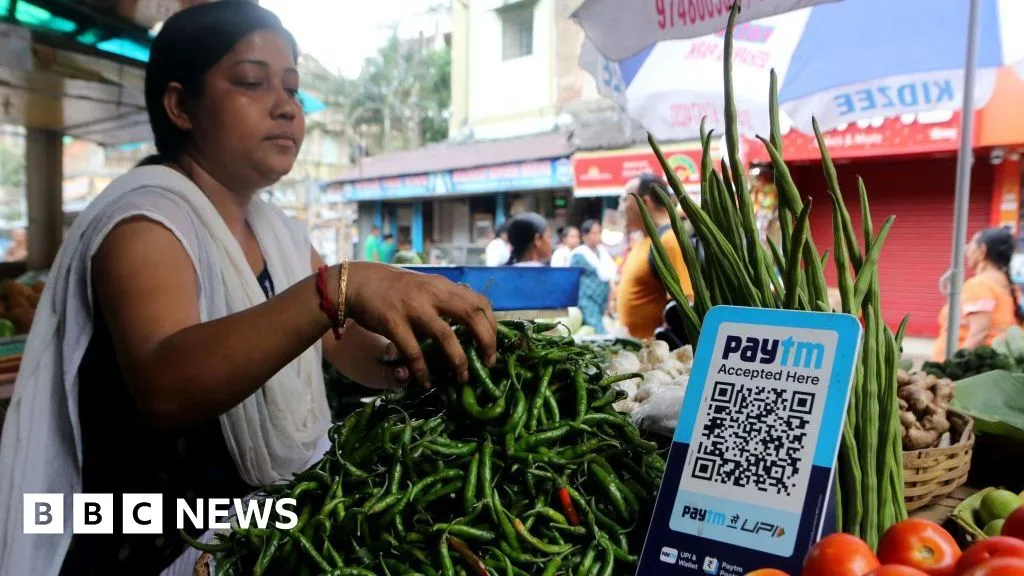
India has officially imposed a levy on some digital transactions through the Unified Payments Interface (UPI) starting October 15. The National Payments Corporation of India (NPCI) set a Merchant Discount Rate (MDR) of 0.4% for payments to merchants above 2,000 rupees (around Rp380 thousand), capped at 300 rupees per transaction. The policy has sparked fierce debate in a country where UPI transaction volume reaches billions per month.
The Indian government argues the levy is needed to keep the UPI ecosystem sustainable, as it has been free until now. For nearly a decade, the system's operating and expansion costs were borne by the government, banks, and payment companies. Now, part of that burden is shifted to merchants. However, the rule prohibits businesses from passing on additional fees to consumers, so merchant margins could be eroded.
Even so, not all transactions are subject to the fee. Person-to-person transfers remain free, as do payments to merchants up to 2,000 rupees. Payments via QR codes in rural and semi-urban areas are also exempt. The government claims around 96% of person-to-merchant transactions will not be affected, either because they are below the threshold or because they fall under the zero-MDR framework for small traders.
The policy has drawn criticism. Some social media users say the levy could erode UPI's main appeal, which has been its free service. Another concern has emerged: merchants may switch to cash for large transactions rather than bear costs that did not exist before. Indian entrepreneur Ashneer Grover, in an interview with CNN-News18, said a shop owner could simply refuse a UPI payment of 2,000 rupees and demand full cash payment. "If that happens, people will go back to using cash," he said.
On the other hand, there is an argument that the fee is needed to fund and expand the payment system. Bipin Preet Singh, CEO of fintech company MobiKwik, argues that when the government subsidizes UPI, the funds come from taxpayers' pockets. "Moving to a market-based pricing mechanism removes this tax burden and directly links costs to large businesses that enjoy the benefits of UPI," he said.
Senior Indian economist Krishnamurthy Subramanian stressed that the economics of a system like UPI cannot be "evaluated only by private cost versus private benefit." In other words, there is a broader public dimension, such as financial inclusion and economic efficiency, that needs to be taken into account.
India's decision has drawn global attention, especially from countries currently building digital payment infrastructure. In Indonesia, the QRIS payment system managed by Bank Indonesia faces a similar challenge: how to fund operations and innovation without burdening small merchants. Currently, QRIS does carry an MDR, but with a special scheme for micro, small, and medium enterprises (MSMEs). If India succeeds in balancing funding needs and sustainability, its model could serve as a reference. Conversely, if the policy ends up pushing people back to cash, other countries may think twice.
The big question now is: will this levy change the behavior of businesses in India, especially for high-value transactions? And how will it affect the Indian government's target of reducing dependence on cash? In the coming months, UPI transaction data will be an important indicator of whether the policy is accepted or backfires.