Sequel Saturation: Nepali Cinema's Cash Grab or Creative Continuity?
Baca dalam 60 detik
- The 'Kabaddi' franchise earned over Rs 20 crore collectively, but 'Kabaddi 4' saw a 30% drop from its predecessor.
- This pattern suggests diminishing returns as franchises stretch thin.
- Producers risk alienating core fans if sequels lack narrative evolution.
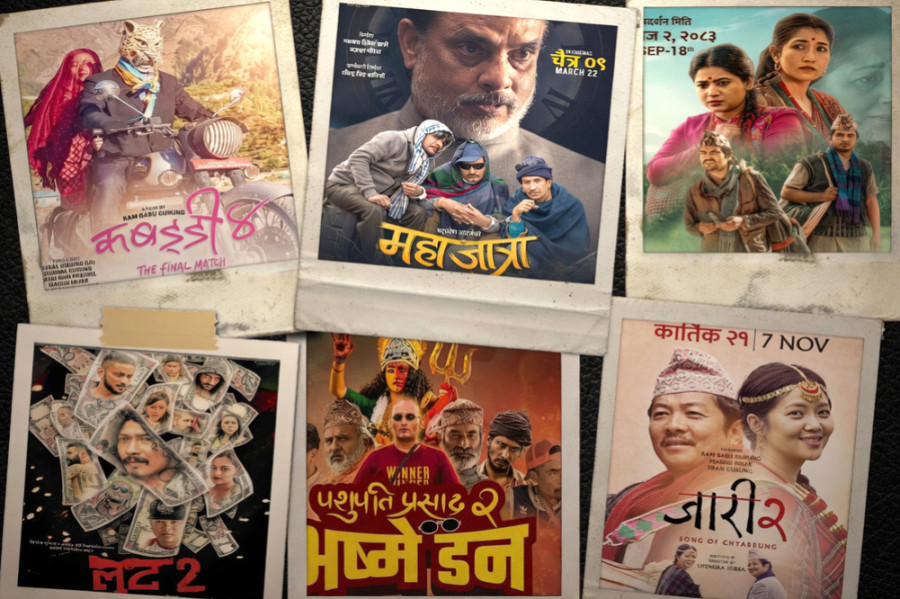
The 'Kabaddi' franchise earned over Rs 20 crore collectively, but 'Kabaddi 4' saw a 30% drop from its predecessor. This pattern suggests diminishing returns as franchises stretch thin. Producers risk alienating core fans if sequels lack narrative evolution.
Critics argue that sequels prioritize commercial safety over artistic risk, choking space for original scripts. In 2025, only 2 of 10 top-grossing films were non-sequels. The trend mirrors Hollywood's franchise dependency but with smaller budgets and narrower margins.
Successful exceptions like 'Loot 2' prove sequels can expand universes when driven by creative ambition. The key lies in balancing fan expectations with fresh conflicts. Studios must invest in writing quality, not just marketing muscle.
Power Move: Nepali cinema's sequel trend will bifurcate: lazy cash-grabs will fade, while well-crafted continuities build lasting IP. The winning strategy is treating each sequel as a standalone story that rewards loyalists without confusing newcomers. Expect a shakeout within 24 months.
This article was edited with AI assistance for readability. Read original here.