Digital Crossword Puzzle: Why NYT Connections Became a Global Phenomenon and an Opportunity for Indonesia's Creative Industry
Baca dalam 60 detik
- Teka-teki Connections edisi 30 September 2026 menguji pemahaman pemain terhadap empat kategori: sekuritas keuangan, benda yang dikocok, film gangster, dan kata berawalan singkatan bulan.
- Fenomena permainan kata harian seperti Connections menunjukkan lonjakan keterlibatan pengguna pada platform digital, membuka peluang monetisasi dan pengembangan konten lokal.
- Industri kreatif Indonesia dapat memanfaatkan tren ini untuk menciptakan permainan serupa dengan konten budaya lokal, sekaligus meningkatkan literasi digital dan bahasa.
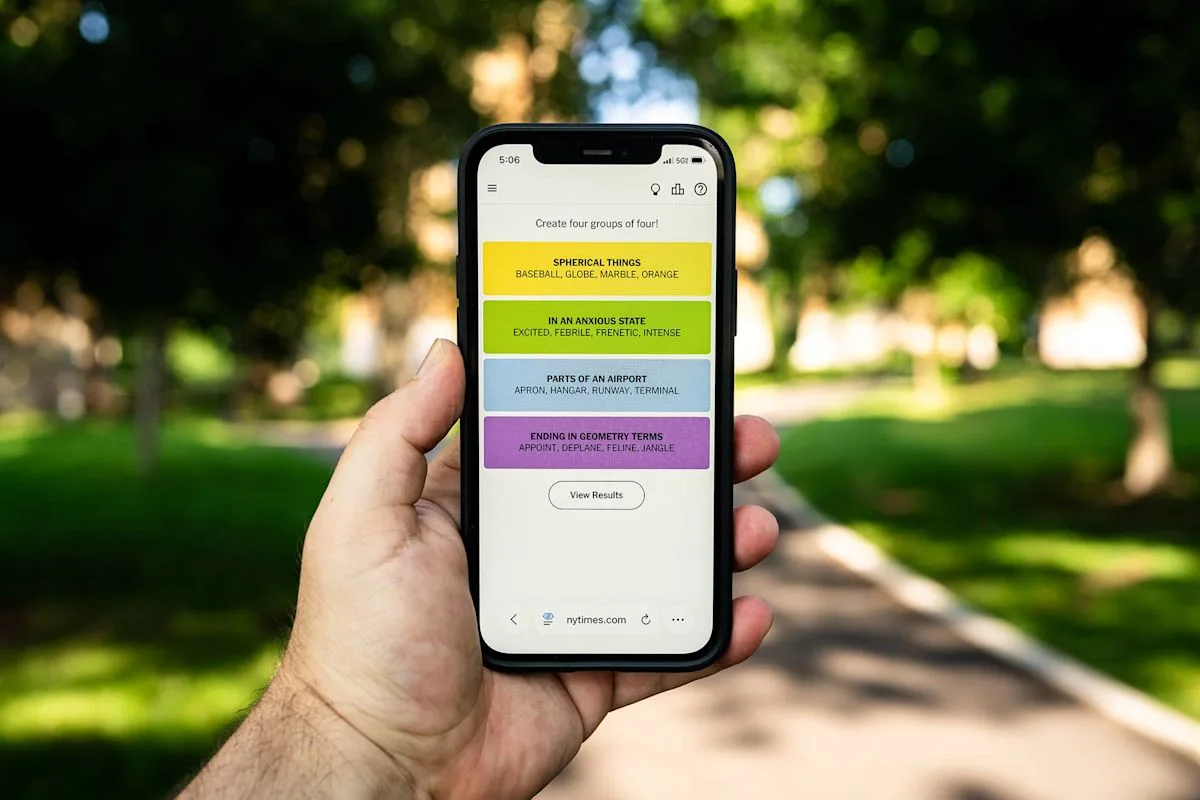
The New York Times again released the 1207th edition of the Connections puzzle on Wednesday, 30 September 2026, with four challenging categories: financial securities, things commonly shaken, gangster films, and words beginning with month abbreviations. The game is one of the many daily word features offered by NYT, alongside Wordle, Strands, and Mini Crossword.
For some people, completing all of the NYT daily puzzles at once provides its own satisfaction. However, not a few also struggle and need hints. This edition of Connections offers a unique combination of financial knowledge, pop culture, and language ability. The first category, for example, asks players to group capital market terms such as BOND, FUTURE, OPTIONS, and STOCK.
The second category highlights objects synonymous with a shaking motion: ETCH A SKETCH, MARTINI, SPRAY PAINT, and TAMBOURINE. Meanwhile, gangster film fans will easily recognize BUGSY, CASINO, DONNIE BRASCO, and SCARFACE. The last category tests sensitivity to word prefixes derived from month abbreviations, such as DECENT (Dec), NOVELTY (Nov), OCTOPUSSY (Oct), and SEPTUM (Sep).
The phenomenon of daily puzzles like Connections is not merely entertainment. Behind it lies a solid business model: increasing user engagement, strengthening loyalty to the platform, and opening up advertising and subscription opportunities. NYT itself has reported significant growth in its games segment, which contributes to overall digital revenue.
In Indonesia, a similar trend is beginning to emerge. Indonesian-language word game apps such as Kata Kita and digital crosswords show an increase in downloads. However, no local player has yet been able to rival the global popularity of NYT Games. In fact, Indonesia's large market with high smartphone penetration is fertile ground for developing similar games.
"Word games have universal appeal because they combine intellectual challenge with social interaction," said a game industry analyst who did not wish to be named. "In Indonesia, strong local content can be a differentiator."
The opportunity for local developers is wide open. They can adopt the Connections format with relevant content, such as categories about archipelago culinary delights, historical figures, or everyday terms. In addition, integration with social media and inter-user competition features can increase virality.
However, challenges remain. Monetization of word games often relies on advertising or a freemium model. In the Indonesian market, user purchasing power varies, so pricing strategy must be right. Collaboration with local brands or educational institutions can also be an alternative revenue source.
Going forward, will this daily puzzle phenomenon last long or is it just a passing trend? With more and more people seeking light yet challenging entertainment, word games have the potential to become a permanent part of digital routines. For Indonesia, this is an opportunity not only to be a consumer, but also a creator of content that reaches the world.