Seniors Benefits Fuel Canada's East-West Divide: A Political Fault ...
Baca dalam 60 detik
- Eastern provinces, with older populations, demand increased pension and healthcare transfers, while western provinces resist footing the bill.
- The federal government's per-capita funding formulas exacerbate the imbalance, rewarding high-benefit regions at the expense of growth-oriented ones.
- This zero-sum game fuels resentment on both sides.
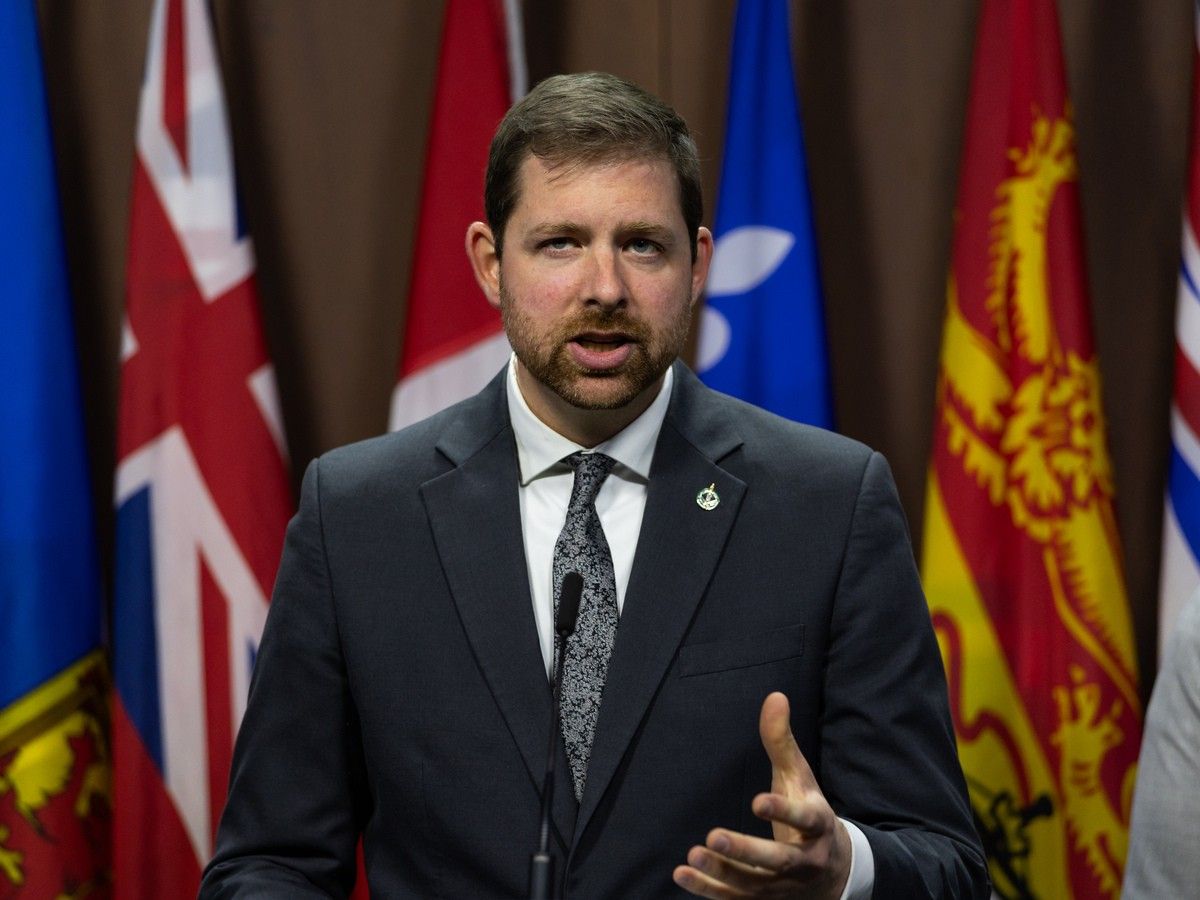
Eastern provinces, with older populations, demand increased pension and healthcare transfers, while western provinces resist footing the bill. The federal government's per-capita funding formulas exacerbate the imbalance, rewarding high-benefit regions at the expense of growth-oriented ones. This zero-sum game fuels resentment on both sides.
Data shows seniors' benefits consume 15% of federal spending, projected to rise as baby boomers retire. Western premiers argue this stifles investment in infrastructure and resource development. Ottawa's reluctance to reform the system risks entrenching regional economic disparities.
The divide mirrors broader political fractures: Conservative western leaders push for decentralization, while Liberal eastern bases favor centralized redistribution. Without a strategic recalibration, the benefits system will become an electoral weapon, not a safety net. The coming federal budget will test Ottawa's ability to bridge this chasm.
Power Move: Power Move: Expect Ottawa to propose targeted adjustments to seniors' benefits, but the fundamental east-west tension will persist. Western provinces may leverage this to demand greater fiscal autonomy, reshaping Canada's confederation bargain. Watch for Alberta's next sovereignty act as a bellwether.
This article was edited with AI assistance for readability. Read original here.