Federal Judge Forces Trump to Restore Media Access to the White House
Baca dalam 60 detik
- Hakim Distrik AS Tim Kelly memerintahkan pemerintahan Trump mengembalikan kartu pers CNN, MS Now, dan Politico setelah pemblokiran dinilai melanggar konstitusi.
- Putusan ini menegaskan bahwa akses ke Gedung Putih tidak bisa dicabut tanpa prosedur pemberitahuan dan kesempatan membela diri, bertentangan dengan klaim pemerintah.
- Kasus ini menjadi ujian bagi kebebasan pers di AS dan berpotensi memengaruhi cara media internasional, termasuk dari Indonesia, meliput kebijakan Washington.
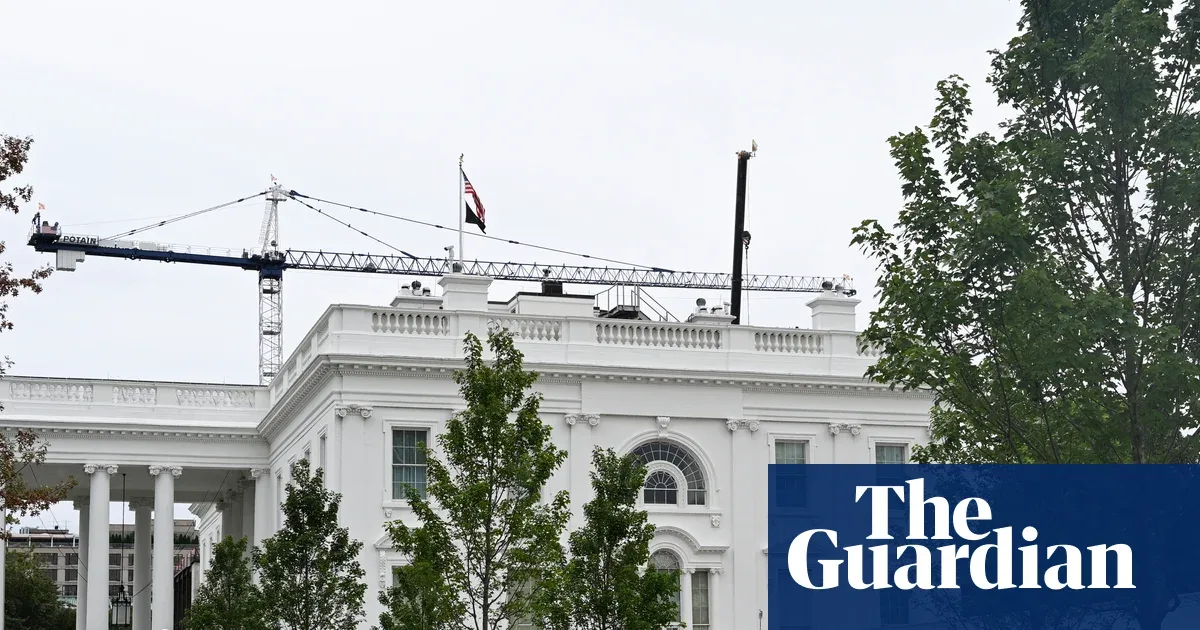
United States District Judge Tim Kelly ordered the administration of Donald Trump to temporarily restore White House access for journalists from CNN, MS Now, and Politico. In his ruling, Kelly found that the ban announced on 18 September was likely unconstitutional.
The order was issued after the three outlets sued Trump and several administration officials in federal court in Washington on Monday. The lawsuit alleged that the ban violated the First Amendment's guarantees of freedom of speech and the press, as well as the right to due process. Kelly also ordered that their press passes be restored and imposed a 14-day temporary stay.
During the hearing, Kelly cited jurisprudence establishing that before White House press passes are revoked, journalists are entitled to prior notice and an opportunity to be heard. Justice Department lawyers argued that the government had provided adequate explanation through a letter sent Tuesday, but the judge was skeptical because the letter was sent only after the revocation and after the lawsuit was filed.
"Before a person's White House press pass is suspended or revoked, that journalist is entitled to notice before revocation and an opportunity to be heard," Kelly said, citing legal precedent.
Trump had previously said on social media that the three outlets "shouldn't be able to continually write or report FICTION and LIES." Meanwhile, Justice Department lawyers sought to justify the ban on national security grounds. In a Tuesday court filing, the department argued that White House access is a privilege, not an inherent right, and that the president has the authority to suspend a news organization's access.
A coalition of press freedom groups and dozens of news organizations filed a legal brief on Wednesday supporting the three outlets. They asserted that revoking the rights of journalists and media outlets over editorial views deemed different violates decades of Supreme Court jurisprudence. The brief was signed by, among others, the Reporters Committee for Freedom of the Press, Reuters, the Washington Post, and Fox News.
The case highlights the tension between executive power and press freedom in the US. The ban on CNN, MS Now, and Politico is not only about physical access, but also a signal that media criticism can lead to restrictions. For many observers, Trump's move reflects a pattern of pressure on outlets deemed unfriendly, which can weaken democratic norms.
From Indonesia's perspective, this development matters because the US is often a reference point for global press freedom standards. If restrictions on media access to the White House are allowed to stand, other countries could use a similar pretext to suppress a critical press. Conversely, the judge's ruling strengthens the precedent that access restrictions must go through a strict legal process. Indonesian media covering from Washington would also be directly affected if access to the White House is narrowed.
Going forward, the legal battle will continue. The Trump administration is expected to appeal or seek other legal avenues to maintain the ban. Meanwhile, the media coalition and press freedom groups will keep monitoring the case. The international public, including in Indonesia, is waiting to see whether this ruling becomes a permanent footing or merely a temporary pause before a new round of press restrictions begins.