Federal Judge Strikes Down Trump's Ban on CNN, MS Now, and Politico at the White House
Baca dalam 60 detik
- Seorang hakim federal memerintahkan pemulihan akses jurnalis CNN, MS Now, dan Politico ke Gedung Putih setelah menilai larangan tersebut inkonstitusional.
- Keputusan ini menegaskan kembali prinsip kebebasan pers di Amerika Serikat dan berpotensi menjadi preseden bagi pembatasan akses media oleh pemerintah.
- Bagi Indonesia, putusan ini menjadi cermin pentingnya perlindungan hukum terhadap kebebasan pers dan transparansi pemerintah.
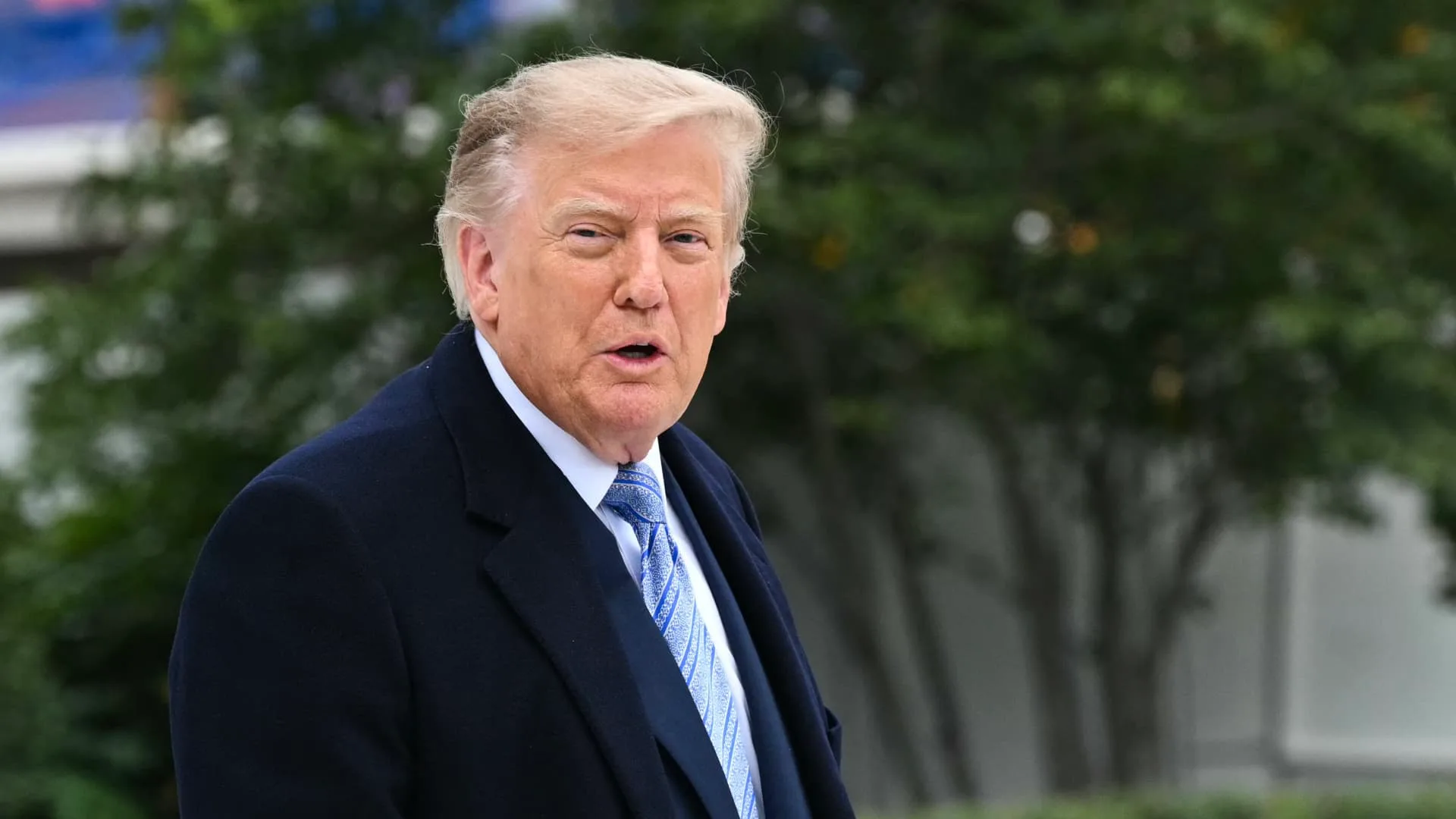
A US federal judge ordered President Donald Trump to restore White House access for journalists from CNN, MS Now, and Politico. In the ruling, the judge found the ban likely violated the constitution, particularly the First Amendment's guarantee of press freedom. The decision dealt a blow to the Trump administration's effort to restrict access for media it deems critical.
The previously imposed ban drew condemnation from press organizations and academics. They viewed the move as an unlawful restriction on press freedom. In its reasoning, the federal court stated that such access restrictions lacked a strong legal basis and potentially violated constitutional rights. The ruling forces the White House to restore credentials for the three outlets.
This is not the first such case. Since taking office, Trump has frequently clashed with mainstream media he considers unfair. However, restricting physical access to the White House marks a rare escalation. The federal judge's ruling affirms that even a president cannot arbitrarily revoke media access without a clear legal basis. It sets an important precedent for the limits of executive power over the press.
"The ban likely violates the constitution," the judge stated in the ruling, as quoted by Reuters.
For Indonesia, this development holds significant relevance. Press freedom in Indonesia is guaranteed by the 1999 Press Law No. 40 and the constitution. In practice, however, pressure on journalists persists, whether through intimidation or access restrictions. The US judge's ruling can serve as a moral and legal reference that government restrictions on media access must have a strong constitutional basis. Otherwise, such actions are vulnerable to legal challenge.
Moreover, the case underscores the importance of judicial independence in safeguarding democracy. In Indonesia, the role of the Constitutional Court and the courts in press freedom disputes is crucial. Civil society and press organizations are expected to keep watch to prevent arbitrary restrictions on journalistic work. Government transparency depends heavily on free and equal media access.
Going forward, the ruling could trigger a wave of similar lawsuits from other outlets that feel their rights have been violated. The Trump administration may appeal, but in the meantime access must be restored. The question is whether this ruling will strengthen press freedom norms in the US, or instead provoke new retaliation against the media. For Indonesia, this moment is a reminder that press freedom is not merely a right, but a pillar of democracy that must be protected from all forms of abuse of power.