Tesla Ends Cybertruck Production in Texas, Musk Shifts Plant to Cybercab
Baca dalam 60 detik
- Elon Musk mengumumkan penghentian perakitan Cybertruck di Gigafactory Texas pada pertengahan 2027.
- Keputusan ini membuka ruang bagi peningkatan produksi Cybercab, robotaxi yang menjadi taruhan masa depan Tesla.
- Penjualan Cybertruck di AS anjlok 48% pada 2025 dan menuai 11 recall, menandakan kegagalan menembus pasar massal.
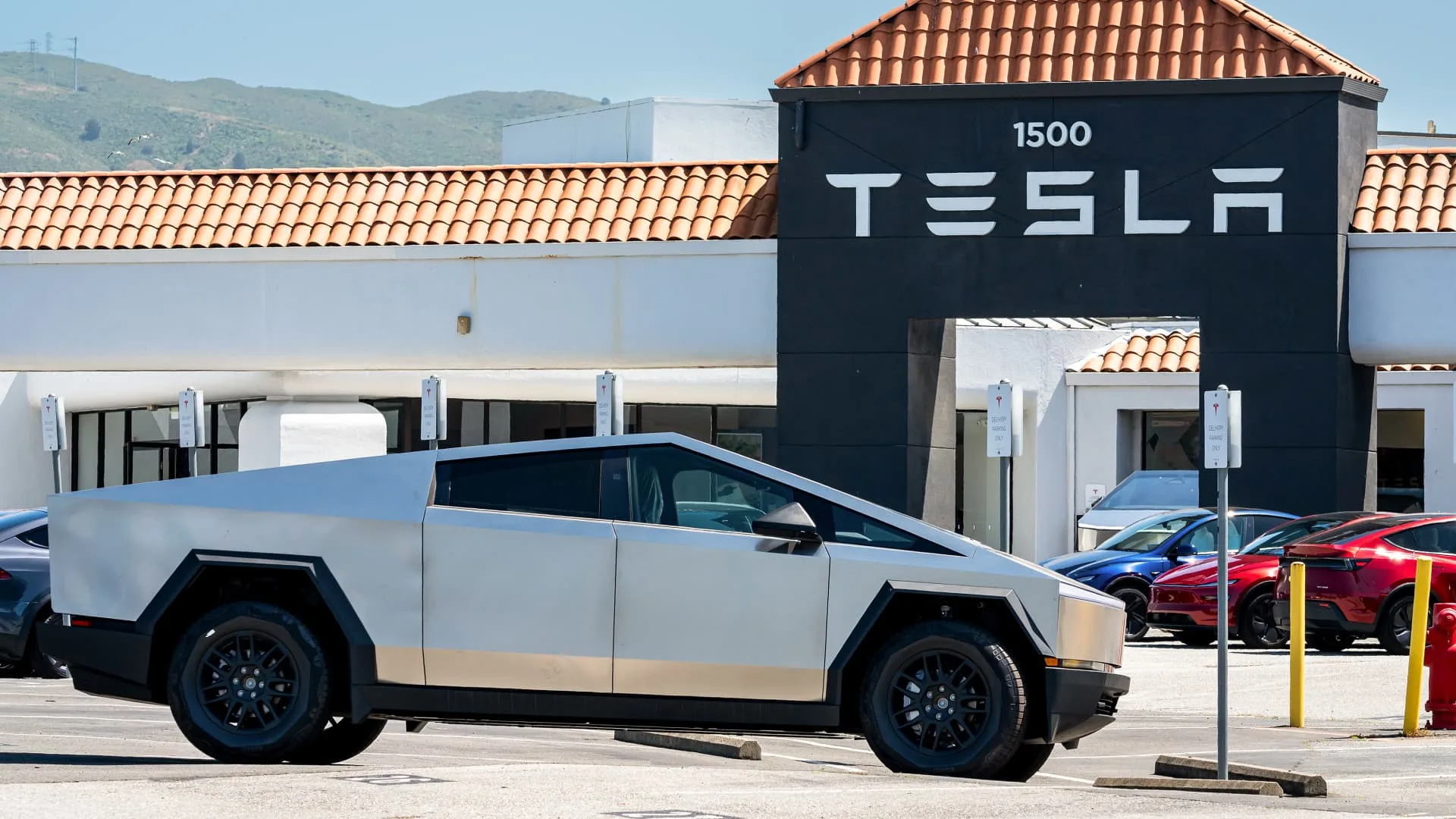
Tesla will halt production of the Cybertruck electric pickup at its Texas plant in mid-2027, a move announced directly by CEO Elon Musk on Friday (6/11/2026) via his X account. The decision marks the end of one of the most controversial design experiments in the history of the modern automotive industry, while shifting the company's focus to autonomous vehicles.
Musk said the halt would free up room to increase production capacity for the Cybercab, the two-door robotaxi he has long projected as Tesla's key product of the future. The Cybertruck has been assembled exclusively at Gigafactory Texas alongside the Model Y and Cybercab. However, Musk did not specify whether Cybertruck production would be moved to another facility. He only stressed that the Cybertruck fleet would remain in operation over the long term.
Since its launch in 2019, the Cybertruck was promoted as a breakthrough in a stagnant pickup segment. Musk even predicted annual sales of 250,000 units. In reality, the sharply angled design and premium price made the vehicle appealing only to a niche segment. A Cox Automotive report showed Cybertruck sales in the United States plunged sharply in 2025, far from the initial target. Tesla itself does not publish sales figures by model or by region.
Beyond sales problems, the Cybertruck faced quality and production issues. The National Highway Traffic Safety Administration recorded 11 voluntary recalls for the 2024 model year, including the risk of a stuck accelerator pedal, software defects, and inverter faults that could cause sudden loss of power. The vehicle's specifications were also said to fall short of Tesla's initial claims, even lagging behind several fossil-fuel pickups.
"Trucks have been the same for a very long time, about 100 years. We want to try something different," Musk said at the Cybertruck launch in 2019, as quoted by CNBC.
On the other hand, the Cybertruck became a political symbol in the United States. After Musk became a major backer of Donald Trump's campaign and led the Department of Government Efficiency, some owners reported receiving unpleasant treatment on the road. Wired magazine even called the Cybertruck the object that most reflects Trump's return to the White House. The phenomenon shows how an automotive product can become entangled in consumers' political polarization.
For the Indonesian market, Tesla's decision has no direct impact because the Cybertruck is not officially marketed in the country. However, the move sends an important signal for the national electric vehicle industry: the adoption of new technology must still be accompanied by market acceptance and product reliability. The Indonesian government is pushing the development of the EV ecosystem, including fiscal incentives and the construction of battery plants. The lesson from the Cybertruck shows that radical design innovation without support from quality and competitive pricing risks failing in the mass market.
Going forward, Tesla appears increasingly reliant on its vision of autonomous vehicles. The Cybercab, designed without a steering wheel or pedals, will test whether the company can deliver on the robotaxi promise that has so far remained only a prototype. If Cybercab production proceeds on schedule, Tesla has a chance to change the landscape of urban transport. But if it fails, the end of the Cybertruck will be recorded as the close of Musk's design experiment era, which ended without a commercial victory.