Jokowi Speaks Out After 13 Hours of Testifying in Fake Diploma Trial: Asks for Justice, Addresses Defamation
Baca dalam 60 detik
- Joko Widodo hadir sebagai saksi dalam sidang dugaan pencemaran nama baik di PN Jakarta Timur, mempertaruhkan reputasinya di hadapan hukum.
- Mantan presiden itu menyerahkan empat ijazah asli dan menegaskan tidak ada konflik kepentingan dalam uji lab Puslabfor.
- Sikap terdakwa yang menolak kesaksiannya membuka pertanyaan tentang batas antara kritik publik dan fitnah di ruang digital.
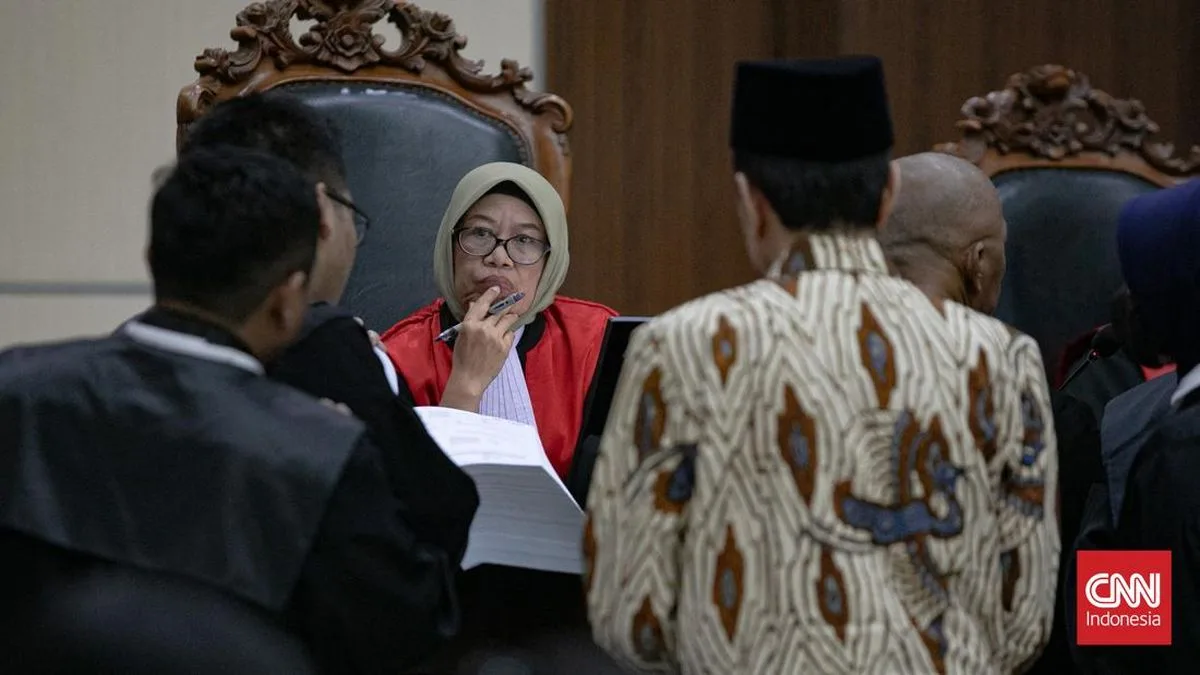
Joko Widodo finally answered the court's summons to testify as a witness in the defamation case linked to allegations of a fake diploma. After undergoing a marathon examination of nearly 13 hours at the East Jakarta District Court on Thursday (5/11), the 7th President of Indonesia said he only wanted his good name restored through the applicable legal mechanism.
"I only ask for justice so that my good name against these fake diploma allegations can truly be resolved properly," Jokowi told reporters after the hearing. He left the decision entirely to the panel of judges, while hoping the process would be a valuable lesson for the wider public not to easily make baseless accusations.
The case began with accusations made by two defendants, Roy Suryo and dr. Tifa, who alleged that Jokowi's diploma was fake. Both were later charged with defamation. In the hearing, held from 09.00 WIB to 22.30 WIB, Jokowi presented four original diploma documents—from elementary school, junior high school, senior high school, up to a bachelor's degree from the Faculty of Forestry at Universitas Gadjah Mada. The documents were shown to the panel of judges, the defendants, and the public prosecutor.
Interestingly, both defendants rejected Jokowi's testimony and asked for a re-examination of the diploma's validity. They doubted the laboratory test results from the National Police's Puslabfor because they considered a potential conflict of interest: National Police Chief Listyo Sigit Prabowo was appointed by Jokowi in 2021. In response, Jokowi firmly denied any intervention. "If the lab test at the Police's Puslabfor is doubted, who else can be trusted?" he said.
This case is not merely an individual legal matter but a reflection of how the digital public sphere often becomes an arena for accusations without verification. Jokowi called the experience a collective lesson. "Don't easily accuse people, don't easily spread defamation, so as to tarnish someone's good name," he stressed. The statement seemed to underline the importance of legal literacy and communication ethics on social media, especially when it concerns the reputation of public officials.
On the other hand, the defendants' refusal to accept Jokowi's testimony shows that the dispute has grown into a battle of trust in law enforcement institutions. Doubts about the National Police's independence in testing evidence have come under scrutiny, especially since the National Police Chief was appointed by the president who was testifying. However, Jokowi stressed that the laboratory testing mechanism had been carried out professionally and transparently.
As of this news being published, the panel of judges has not decided the case. Jokowi stated he would respect whatever the court decides. "We hope for that so it becomes a lesson for all of us," he said briefly.
What remains now is a bigger question: will this case become a precedent for law enforcement against defamation in Indonesia, or will it instead sharpen polarization in a society that is increasingly skeptical of institutions? The public awaits the answer in the courtroom.