VIX Surges Most Since April as Traders Say Panic Is Not Yet Enough
Baca dalam 60 detik
- Indeks volatilitas Cboe (VIX) melesat ke level tertinggi sejak akhir Maret, menandai guncangan pasar saham AS yang dipicu aksi jual besar-besaran.
- Sejumlah pedagang opsi menilai lonjakan VIX belum sepenuhnya mencerminkan keparahan penurunan S&P 500, sehingga tekanan jual berpotensi berlanjut.
- Pasar keuangan Indonesia perlu mewaspadai rambatan sentimen risk-off global yang dapat memperlebar defisit neraca berjalan dan melemahkan rupiah.
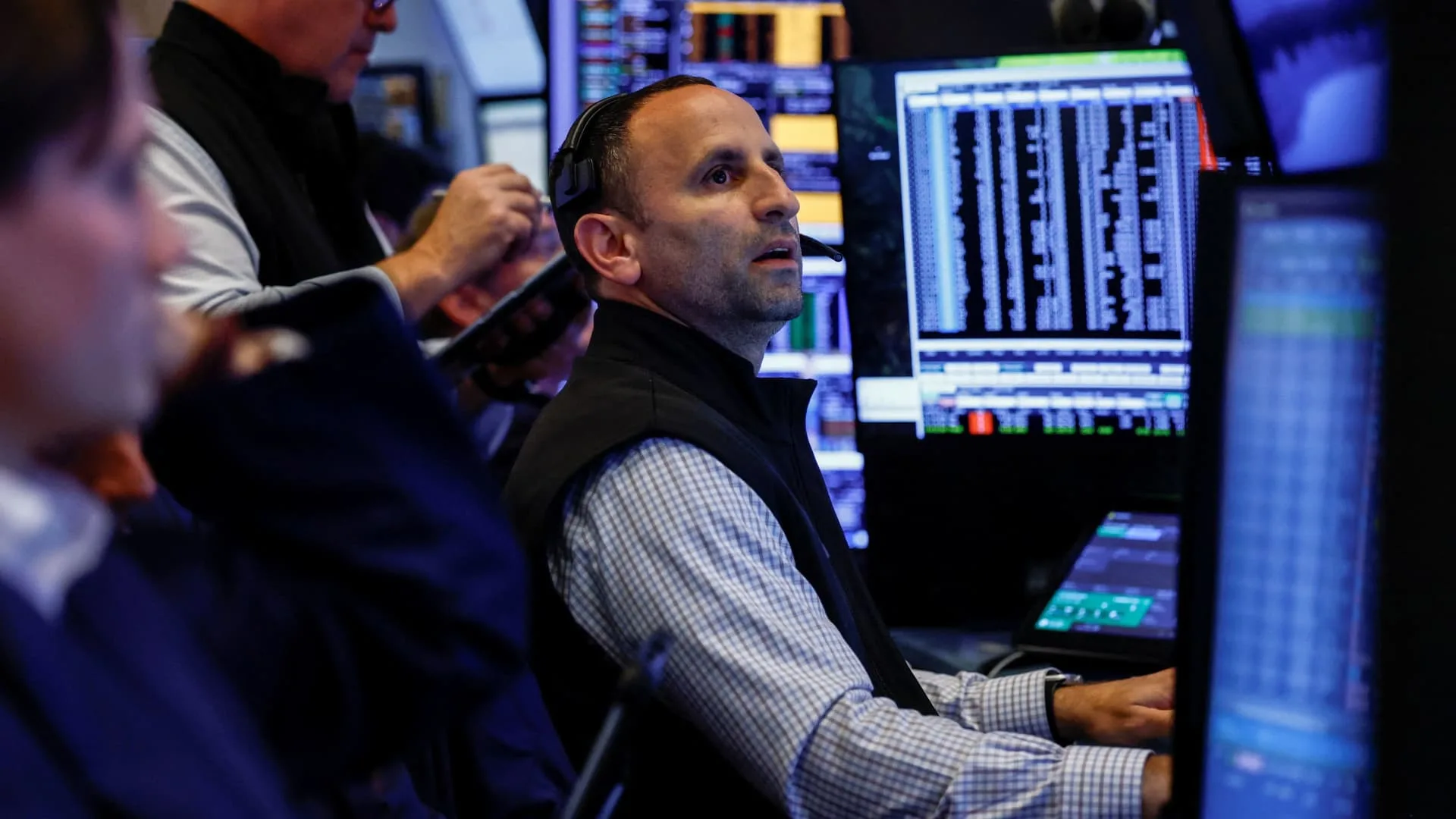
The Cboe Volatility Index (VIX)—often dubbed Wall Street's “fear gauge”—spiked to its highest level since March 31 on Thursday (5/11/2026), marking the most extreme daily gain since April. The surge came amid a massive sell-off that dragged the S&P 500 down 3%, its worst decline since April 2025. The VIX's move from its intraday low to its high exceeded 11 points, a clear signal that options market participants did not expect the storm to arrive this fast.
According to Cboe data, the VIX jumped 5.7 points to above 28 just about 90 minutes after the opening bell. That figure surpassed the level seen in late March, exactly a day after the S&P 500 bottomed out amid rising geopolitical tensions in the Middle East. Yet with the benchmark index down 3%, some traders argued the VIX should be far higher. They pointed to the rule of thumb that a 16-point rise in the VIX corresponds to a 1% move in the S&P 500—meaning the panic currently priced in does not match the depth of the correction.
Noel Smith, an options trader, described the dilemma facing market participants. “My data suggests reducing risk, but my gut says this is a spike that could create buying opportunities on the dip,” he said. He added that no macro factor such as oil prices or interest rates triggered the panic. “It looks like a liquidation, and that's what I'm hearing regarding a hedge fund manager,” Smith said, hinting at systematic pressure from one large player.
Selling pressure had actually been felt since Wednesday, when semiconductor stocks suffered severe damage. But the VIX at the time was deemed too calm, creating an anomaly for traders. Only on Thursday did the market appear to catch up, triggering a sharp surge in volatility. The phenomenon shows that the options market does not always move linearly with stock index moves, especially when political uncertainty—such as a midterm referendum—is looming.
For Indonesia, the turmoil on Wall Street is not merely distant news. As an open economy, the domestic financial market is highly vulnerable to shifts in global sentiment. A sharp rise in the VIX is usually followed by a stronger US dollar and capital outflows from developing countries. If the pressure continues, Bank Indonesia may need to raise its benchmark interest rate to stem the rupiah's weakening, although that step risks weighing on credit growth. Domestic investors, especially holders of bonds and blue chip shares, need to watch these developments because the correlation between global and domestic markets tends to strengthen when volatility spikes.
Looking ahead, the question is whether this VIX surge will fade as quickly as it came, or instead mark the start of a deeper correction. History shows that VIX levels above 28 often mark market turning points, but not always. If selling pressure continues and the VIX breaks through 30, watch for a domino effect on Asian markets, including Indonesia. Market participants should look not only at index numbers but also understand the narrative behind options moves—because that is where fear and hope meet.