UK Tightens Settlement Rules: 10 Years, Minimum Income, and Discrimination Against Refugees
Baca dalam 60 detik
- Pemerintah Inggris resmi menggandakan masa tinggal untuk permanent settlement dari 5 menjadi 10 tahun, dengan syarat tambahan pendapatan minimal £12.571 per tahun.
- Kebijakan ini membedakan jalur bagi pengungsi: yang datang lewat skema resmi bisa settle dalam 5 tahun, sementara yang masuk lewat perahu kecil harus menunggu hingga 30 tahun.
- Perubahan ini menuai kritik dari kalangan internal Partai Buruh karena dianggap menghukum pekerja migran dan pengungsi, sementara pemerintah berdalih settlement harus 'diperoleh' melalui kontribusi.
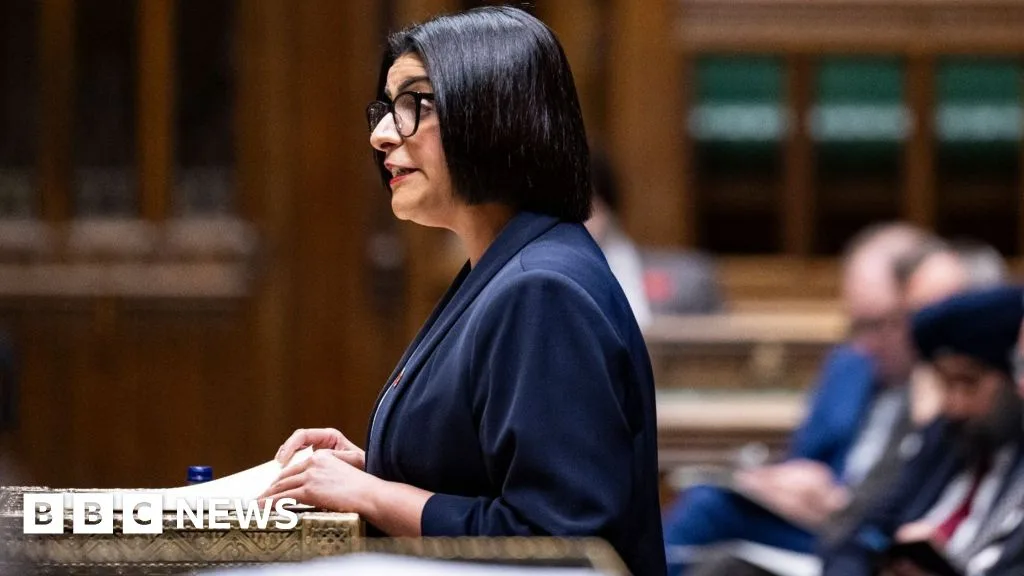
The UK government under Home Secretary Shabana Mahmood has officially announced a package of major changes to immigration rules that will double the waiting time for migrants to obtain permanent settlement status (indefinite leave to remain/ILR) from five to ten years. The policy also sets a minimum income requirement and differentiates treatment of refugees based on how they arrived in the UK.
The announcement is the final outcome of a consultation that began in November 2025, when Mahmood was still serving in Sir Keir Starmer's government. From the outset, she stressed that settlement must be 'earned' and not granted automatically. However, several initial proposals had to be revised after facing opposition from a number of Labour Party MPs, especially a plan that would have required foreign care workers already in the UK to wait 15 years—that plan has now been scrapped.
Under the new scheme, migrants who want to settle permanently must meet a minimum income threshold of £12,571 for five of the seven years before applying. Those earning above £125,141 per year, as well as highly skilled migrants such as holders of Global Talent or Innovator Founder visas, can apply for settlement after three years. Meanwhile, those who have received certain benefits or breached immigration rules must wait at least 20 years. Adults with criminal records will be refused, with a discretionary policy for cases committed while underage.
Special rules apply to refugees. Those who arrived through official government schemes can still apply for settlement after five years. However, refugees who came through other routes are required to wait 10 years while working or studying, and 20 years if they do not meet those conditions. Most controversially, refugees who arrived by small boat or other illegal routes must wait 20 years if working or studying, and 30 years if not—a provision that human rights organizations have described as harsh.
The changes also apply to migrants already in the UK, except those who have already obtained settlement. Partners who arrive together with an ILR applicant can obtain the same status at the same time, provided they meet the requirements. Partners who join later must undergo the same residence period. Eligible partners can combine income to meet the household threshold of £25,142. Children under 18 can still obtain settlement with their parents and are exempt from the income requirement, government debt, English language, and the Life in the UK test, but remain subject to character and criminality requirements. Young people aged 18–24 who are still dependants can also follow, with the obligation to meet adult requirements except individual income. Those aged 25 or over when the family qualifies must apply independently.
"Settlement must be earned, not granted automatically. Those who contribute more to this country deserve to settle faster," was the argument presented by Mahmood in the policy announcement, as quoted from her statement.
The policy has sparked debate within the UK. A number of Labour Party members consider the new rules too harsh and potentially punitive toward migrant workers who have long contributed, especially in the health and care sectors. The government argues that the revision is needed to maintain the sustainability of the immigration system and ensure better integration. However, critics highlight the unfair treatment of refugees who arrived through dangerous routes—those most vulnerable are instead faced with the longest waiting periods.
For Indonesia, this policy could affect the interest of skilled workers and students planning to settle in the UK. Although no official data has been released, the UK health care sector is known to have many workers from Indonesia. With stricter income requirements and longer waiting periods, the UK's appeal as a long-term migration destination could decline. The Indonesian government needs to closely monitor the impact on labor deployment and the potential diversion of destinations to other countries.
Going forward, the implementation of these rules will be a test for Mahmood's government in balancing the demands of immigration control with the economic need for skilled workers. The question is whether this policy will truly encourage integration or instead create an increasingly marginalized layer of society. The world will watch how the UK navigates the classic dilemma between sovereignty and humanity.