Strict Diet and Structured Exercise Can Bring Type 2 Diabetes in Young Adults Into Remission
Baca dalam 60 detik
- Sebanyak 58% partisipan usia 18-45 tahun dengan diabetes tipe 2 dini mengalami remisi setelah menjalani diet rendah kalori dan latihan fisik terawasi selama 12 minggu.
- Penelitian di The Lancet Regional Health: Americas menunjukkan pendekatan non-farmasi ini efektif, meski menimbulkan efek samping pada 86% peserta.
- Keberhasilan ini membuka harapan baru penanganan diabetes pada kelompok usia produktif, tetapi memerlukan pengawasan medis ketat dan berkelanjutan.
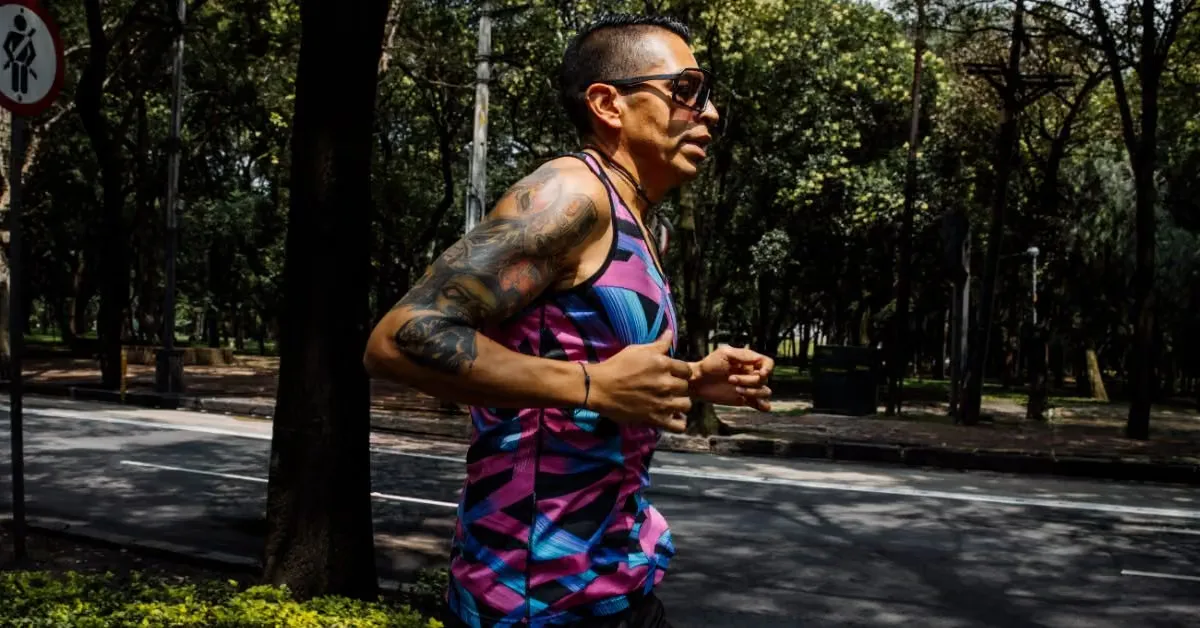
A recent study published in The Lancet Regional Health: Americas reveals that more than half of young adults with type 2 diabetes can achieve remission through a combination of a very-low-calorie diet and structured exercise. The findings offer fresh hope amid the rising prevalence of type 2 diabetes in the working-age population, where the disease is usually more aggressive and carries a risk of early complications.
The research, led by Kaberi Dasgupta of McGill University, involved 96 participants aged 18-45 who had been diagnosed with type 2 diabetes within the past six years and had obesity. They were divided into two groups: intervention (50 people) and control (46 people). The intervention group followed a diet of 800-900 kcal per day composed of 30% protein, 50% carbohydrates, and 20% fat, along with aerobic and resistance training twice a week for the first 12 weeks, followed by a weight-maintenance diet and self-directed exercise up to 24 weeks.
As a result, at week 12, 29 of the 50 participants (58%) in the intervention group achieved diabetes remission, compared with only 2 of 46 in the control group. At week 24, 27 intervention participants were still in remission, while the control group remained at 2. The intervention group also showed greater reductions in body weight and body fat than the control group.
Although the results are promising, experts caution that this approach is not without challenges. Eamon Laird, PhD, a lecturer in Nutrition at ATU Sligo and Trinity College Dublin, who was not involved in the study, considers remission a possible goal for some young adults with type 2 diabetes. "The combination of weight loss with resistance and aerobic training is important because muscle strength and physical fitness work together with blood glucose control," he said. However, he highlighted the study's limitations: only 96 participants, a six-month duration, and the absence of a diet-only group, meaning the contribution of exercise cannot be separated.
David Cutler, MD, a family physician at Providence Saint John's Health Center, California, also raised concerns. He noted that 86% of intervention participants experienced side effects, mostly mild such as constipation, headache, dizziness, and feeling cold easily, compared with 13% in the control group. "This shows that although effective, a program like this requires careful medical supervision," Cutler said. He also highlighted that about half of American adults have diabetes or prediabetes, so lifestyle changes remain an important pillar alongside medication.
Laird emphasized that a diet of 800-900 kcal per day is difficult to sustain in the long term, especially for those with jobs and family commitments. "This approach should only be undertaken under clinical supervision and should not be considered a standalone diet," he stressed. Both experts also questioned the durability of the results because the study lasted only six months. However, Dasgupta added that although weight tends to rebound after the program, patients can remain in remission for a time, and the longer the remission, the lower the risk of complications such as heart and kidney disease.
For Indonesia, the findings are relevant given that the prevalence of type 2 diabetes in young people continues to rise along with surging obesity. Data from the International Diabetes Federation (IDF) show that about 19.5 million Indonesian adults were living with diabetes in 2021, and the proportion of younger people is also growing. A non-pharmaceutical approach like this could be an alternative, but it requires a health service infrastructure capable of providing nutritional supervision and structured exercise. Without systemic support, the risk of side effects and program failure will be high.
Looking ahead, the big question is how long remission can be maintained and whether the benefits are proportionate to long-term adherence. Further studies with longer durations and diverse populations, including in Asia, are needed to ensure the generalizability of the findings. If proven effective and safe, this protocol could be adopted as an adjuvant therapy in the management of early type 2 diabetes, especially for those who wish to avoid long-term pharmaceutical therapy.