Sad Nipple Syndrome: The Anxiety After Nipple Stimulation That Medicine Has Yet to Recognize
Baca dalam 60 detik
- Fenomena yang disebut Sad Nipple Syndrome (SNS) memicu perasaan sedih, cemas, atau rindu secara tiba-tiba setelah putting susu terstimulasi, namun belum masuk klasifikasi diagnosis resmi.
- Para ahli menduga ketidakseimbangan hormon oksitosin, prolaktin, dan dopamin berperan, meski studi khusus tentang SNS masih nol.
- Karena minimnya pemahaman medis, banyak penderitanya menyembunyikan keluhan dan salah mengira bahwa mereka mengalami gangguan jiwa atau masalah dalam hubungan.
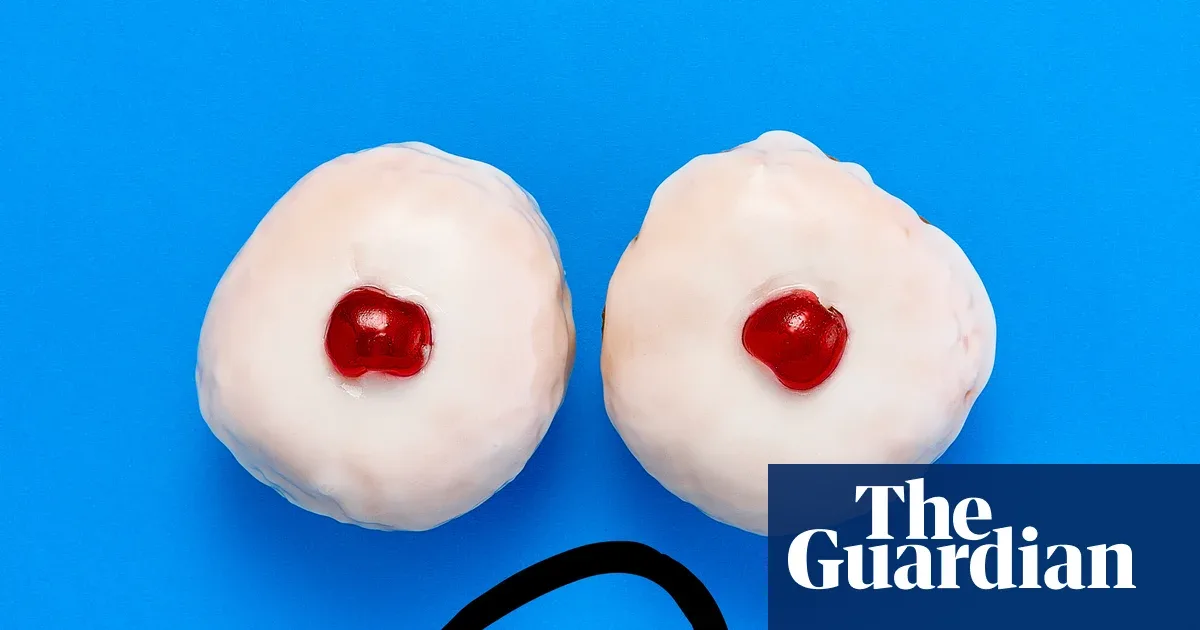
People in various parts of the world report a strange experience: a sudden wave of sadness, anxiety, or longing that arrives right after their nipples are touched. The phenomenon colloquially dubbed Sad Nipple Syndrome (SNS) has not been recognized as an official medical diagnosis, but the complaints are real and increasingly discussed in online forums. For those affected, the sensation can be triggered simply by the friction of clothing or a towel while drying off.
A 28-year-old woman, who asked to be identified only as Sandra, says she first noticed the oddity as a child. She felt a wave of sadness whenever her nipples were touched but had no words to explain it. She only dared to search for answers online when she was in college. "I realized I wasn't crazy," she said, as quoted in a report by The Guardian.
Similar complaints are reported by breastfeeding mothers, same-sex partners, and even cisgender men. But because SNS appears in no diagnostic manual, public understanding is shaped mostly by word of mouth and social media posts. A New York comedian, Salma Zaky, has even turned her experience into material for her sets and says she can guess which women in the audience have felt the same thing from their reactions.
From a medical standpoint, there is no definitive explanation. Dr Vladimír Kraus of the Department of Gynecology and Obstetrics at Pavol Jozef Šafárik University in Slovakia suspects the hormone oxytocin is involved, because nipple stimulation triggers the release of the hormone often called the "love hormone." Oxytocin plays a role in emotional bonding and closeness, but Kraus suspects that in some people its signaling pathway is "disrupted," producing negative feelings that arrive in a flash.
Another theory comes from Alia Macrina Heise, an internationally board-certified lactation consultant who has studied D-MER in depth. She suspects a "hormone cocktail" of prolactin and dopamine. Dopamine acts as a gatekeeper for prolactin; if dopamine activity is off, mood stability can be briefly disrupted. Heise stresses that SNS, D-MER, and post-coital dysphoria share a nearly identical emotional profile, even though their triggers differ.
"Even just naming this condition helps a lot, because many people think they are losing their minds," said Dr Jennifer Lincoln, a board-certified obstetrician-gynecologist in Portland, Oregon.
The scarcity of research stems from a recurring pattern: conditions tied to intimate or hormonal experiences in women often receive less attention, funding, and scientific curiosity. As a result, sufferers often feel alone. When they muster the courage to ask a doctor, many clinicians lack enough experience to offer treatment advice. Some sufferers even develop unfounded theories of their own, from forgotten sexual trauma to doubts about their sexual orientation or their partner. Such speculation only adds to the psychological burden.
To ease symptoms, some techniques are experimental. Heise found that cold therapy—drinking ice water or applying cold compresses to the back of the neck and the mouth area before letdown—helps mothers with D-MER considerably. Its effectiveness for SNS, however, is unknown. More important, according to experts, is open communication with a partner. Lincoln suggests holding the conversation outside the bedroom, agreeing on a signal to stop or change activity, and letting the person experiencing the reaction take the lead. "This isn't about you, and it isn't a rejection," she said.
In Indonesia, discussion of SNS rarely surfaces in public spaces or clinical practice. Yet better understanding could prevent sufferers from wrongly concluding that they have a mental disorder or do not love their partners. Looking ahead, the question is simple: will the medical community start putting SNS on the research agenda, or will the condition remain a puzzle discussed only in anonymous forums?