Brazil Releases Global Energy Transition Roadmap, Indonesia Told Not to Just Wait
Baca dalam 60 detik
- Pemerintah Brasil memperkenalkan dokumen pertama yang memandu negara-negara melepaskan ketergantungan pada batu bara, minyak, dan gas tanpa harus menunggu terobosan teknologi.
- Inisiatif ini menekankan implementasi nyata alih-alih negosiasi iklim yang kerap berlarut-larut, namun tidak memuat tenggat waktu atau target antara yang mengikat.
- Bagi Indonesia, desakan untuk mengurangi subsidi energi fosil dan mempercepat transisi menjadi ujian kebijakan di tengah tekanan fiskal dan kebutuhan pembangunan.
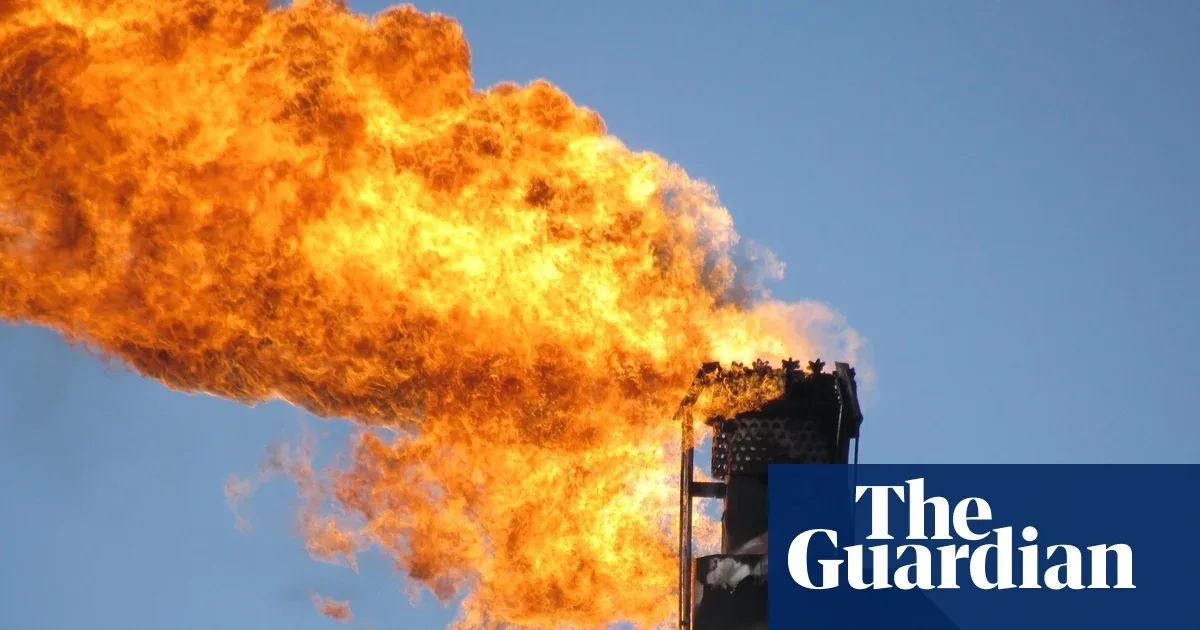
Brazil has officially launched the first global roadmap to end the use of fossil fuels, a step its government describes as an effort to break the chain of dependence on coal, oil, and gas without having to wait for new technologies or sweeping economic change. The document was released ahead of the UN Climate Change Conference (COP31) in Antalya, Turkey, and signals that countries can start acting now.
The roadmap was born from a compromise at COP30 in Belém last year, when fierce debate over including a fossil commitment in the final resolution nearly derailed the agreement. As a middle ground, the COP30 presidency agreed to draft two documents: one on a just and orderly energy transition, and another on halting and reversing deforestation. Both are non-binding, set no deadlines, and leave the diagnosis of each country's level of fossil dependence to the countries themselves.
André Corrêa do Lago, president of COP30, stressed that the roadmap is an "implementation document" that must be adopted by finance, transport, energy, and infrastructure ministries. According to him, the main problem at many COPs is the assumption that negotiators must also coordinate implementation, when the two require different approaches. "Each country will have a different pace in moving away from fossil fuels. What matters is diagnosing each one's condition," he said.
Though welcomed as progress, some observers consider the roadmap half-hearted. Joeri Rogelj, professor of climate science and policy at Imperial College London, said the document does not clearly show the pace of change required. "This roadmap is valuable but falls short in indicating the speed of change because it lists no timeline or key benchmarks. As a result, much still has to be imagined to reach the end goal of the Paris Agreement," he said.
What sets Brazil's roadmap apart from similar initiatives is that it only offers options for steps that might be taken, without forcing them. The countries in the "coalition of the willing" in Santa Marta, Colombia, last April—nearly 60 countries—have drawn up far more specific and prescriptive national plans, because each government is responsible for their implementation. Germany, France, and the Netherlands are among those that have already published their national plans.
For Indonesia, the roadmap presents its own dilemma. As one of the world's largest coal producers and an economy still reliant on fossil energy, pressure to cut subsidies and shift to renewable energy will collide with fiscal needs and the push for faster development. Yet global pressure is increasingly real: the European Union and other advanced economies are tightening trade regulations tied to deforestation and carbon footprints. Brazil's roadmap also highlights the importance of trade regulation between forest countries and consumer countries, which has so far received little scrutiny.
On deforestation, Indonesia is even cited in this report as a case study. Civil society organizations are suing the Indonesian government over "gross negligence" related to record-breaking forest fires in recent months, which have scorched forests and damaged wildlife habitat, and are likely to be replaced by oil palm plantations. The issue reflects that commitments to energy transition and forest protection cannot stop at paper.
The release of the roadmap is also tied to Brazil's political context. President Luiz Inácio Lula da Silva has just won a fourth term, and over the past four years deforestation rates have fallen by about 70%. The return of political forces opposed to the environmental agenda is a risk that has been avoided, at least for now. But the big question remains: will this toothless document really change the energy policy direction of major countries, or will it just be a formality on the international documents shelf? Indonesia and other developing countries are on the front line to answer it.