House Committee Monitors Relocation of 535 Families in Blora as Land-Use Permit Stalls
Baca dalam 60 detik
- Anggota Komisi V DPR RI, Danang Wicaksana Sulistya, berkomitmen mengawal relokasi 535 kepala keluarga terdampak pembangunan Bendungan Karangnongko di Blora, Jawa Tengah.
- Lahan relokasi berada di kawasan hutan yang dikelola UGM dan sudah memiliki izin, tetapi masih menunggu izin alih fungsi lahan dari Kementerian Kehutanan.
- Danang juga mendorong penyederhanaan persyaratan program bedah rumah agar masyarakat berpenghasilan rendah lebih mudah mengakses bantuan.
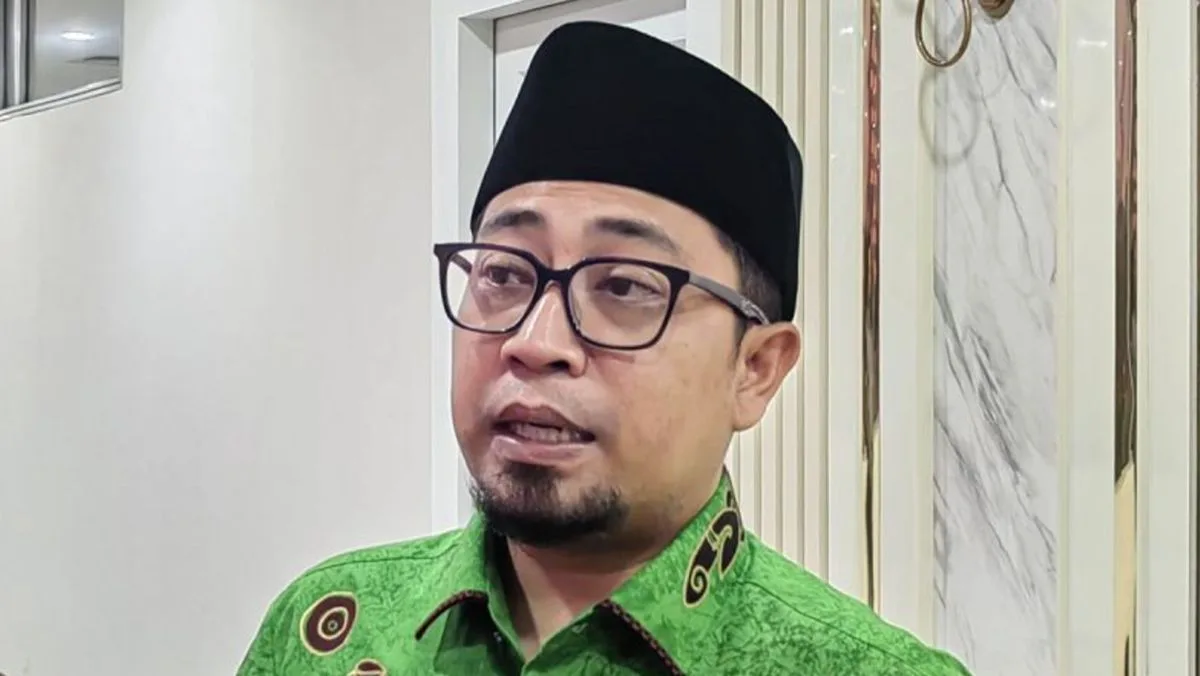
Member of Commission V of the Indonesian House of Representatives (DPR) from the Gerindra Party, Danang Wicaksana Sulistya, said he will push for the completion of the relocation of 535 households (KK) displaced by the Karangnongko Dam project in Blora, Central Java. The commitment was made after gathering residents' aspirations during a recess in his constituency.
Danang said he will raise the relocation issue in working meetings and hearings (RDP) with ministries that partner with Commission V. According to him, the aspirations of affected residents must be a serious concern for the government, especially since they involve the homes and future of hundreds of families.
The relocation land is planned to be located in a forest area with a special purpose (KHDTK) currently managed by Universitas Gadjah Mada (UGM). Danang said the land has received a permit to be used as a relocation site, but still requires a land-use conversion permit from the Ministry of Forestry. This process is what could become a bureaucratic obstacle if not resolved promptly.
Beyond the relocation issue, Danang also highlighted the Regional Socio-Economic Infrastructure Development (PISEW) program inaugurated on the road section connecting Dusun Sunggun, Dusun Parengan, to Mendenrejo Village, Kradenan District, Blora. He urged village heads to propose other development programs that more directly address residents' needs, such as home renovations or the Self-Help Housing Stimulant Assistance (BSPS).
According to Danang, the Ministry of Housing and Residential Areas (PKP) needs to simplify the requirements for the home renovation assistance program for the poor. He argued that administrative issues should not become a barrier for low-income residents to receive assistance. "Talking about housing is not merely about comfort. It is also related to health, safety, and quality of life," he said.
Danang's statement underscores two classic problems in large infrastructure projects: the readiness of replacement land and the accessibility of social programs for vulnerable groups. A delayed relocation risks creating socio-economic uncertainty for residents, while convoluted administrative requirements can hinder efforts to improve housing quality.
Going forward, the public will be watching whether Commission V of the DPR genuinely pushes for expedited land-use conversion permits and whether the Ministry of PKP responds to calls for bureaucratic simplification. Without a breakthrough, the relocation of 535 households in Blora could set a bad precedent for handling the social impacts of national strategic projects.