Skyblivion Faces Legal Threat, This Time Not From Bethesda
Baca dalam 60 detik
- Proyek mod Skyblivion menghadapi tuntutan hukum dari mantan sukarelawan yang menolak karyanya didekompilasi setelah ia hengkang.
- Sang penggugat menuntut identitas dan alamat tim yang tersisa, memicu kekhawatiran di kalangan pengembang sukarela.
- Tim Skyblivion telah menghapus kode yang disengketakan, tetapi proses hukum berlanjut dan berpotensi menunda peluncuran.
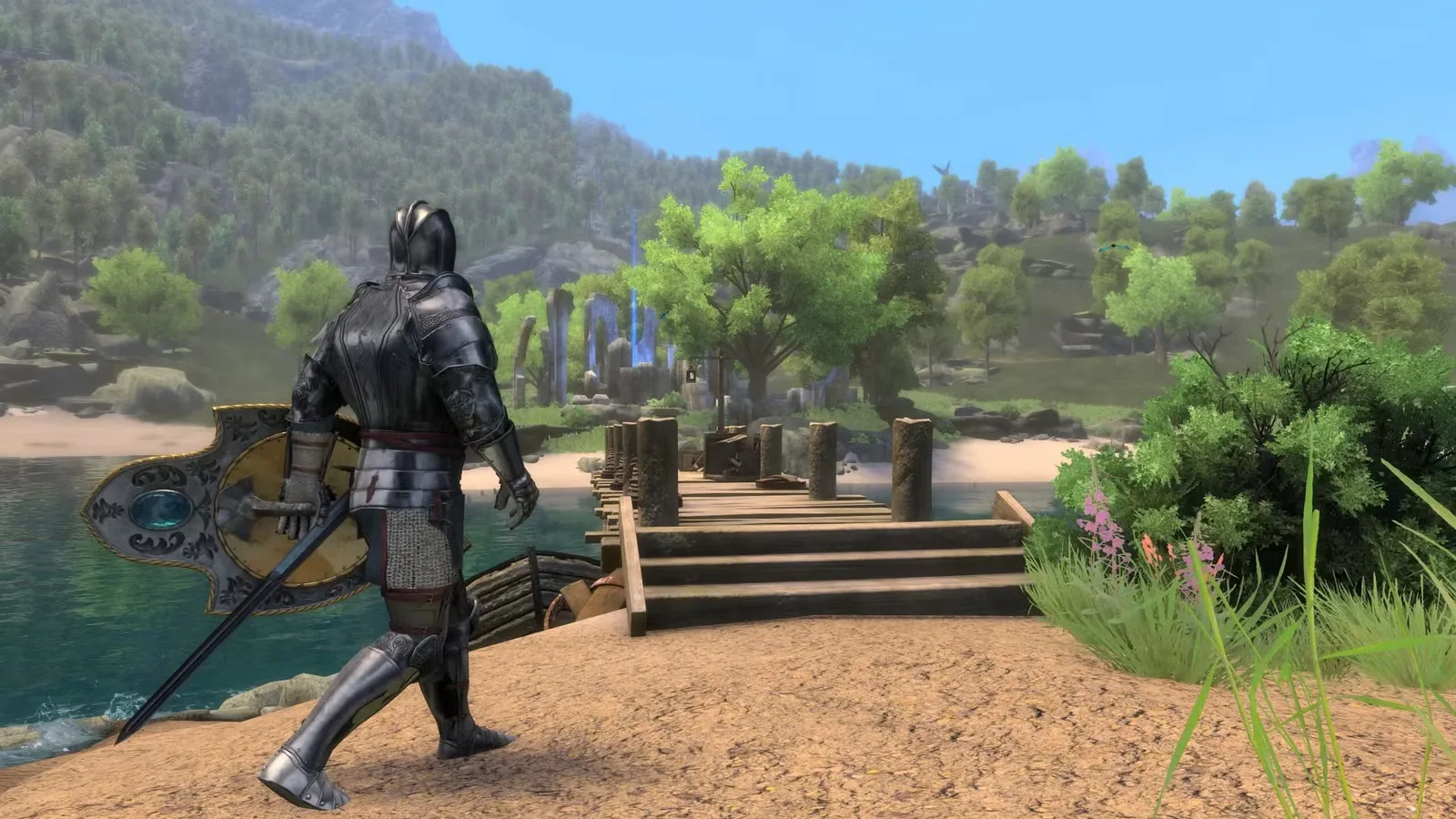
After more than a decade of volunteer development, the ambitious mod Skyblivion now faces a legal threat that comes not from the copyright holder of The Elder Scrolls, but from a former member of its own team. On 30 October 2026, the Skyblivion team announced via X and YouTube that a volunteer who had left the project was seeking legal action over the decompilation of their work that remained in the project.
According to the team's explanation, the former volunteer disputed the active team's decision to decompile part of their code. The team argued the step was necessary so that systems already embedded in the project could keep functioning and be fixed, especially after access to the original source code repository was revoked. Tensions rose as the release date approached; the legal threat escalated to demands for the disclosure of the real names and addresses of team members still working on the project.
Although the disputed code was eventually removed from Skyblivion, the complainant continued the legal process. The remaining team chose to be open with the public and even invited anyone with legal expertise to help handle the case on a voluntary basis. The move reflects the resource constraints of a modding community that has relied on a spirit of mutual aid rather than a corporate structure with a permanent legal team.
Skyblivion's history is itself long. Polygon first reported on the project in 2014, and since then dozens to hundreds of volunteers have come and gone, contributing their labor. The support of Bethesda Game Studios—which in 2025 released The Elder Scrolls 4: Oblivion Remastered and sent a free copy to the Skyblivion team—adds to the irony of the situation: the legal threat came from within, not from the copyright holder long regarded as the party most likely to sue.
For the global modding community, this case highlights a rarely discussed vulnerability gap. Large-scale projects built on voluntary contributions often lack clear written agreements on ownership and use of code after contributors leave. When relations sour, there is no formal mechanism to resolve disputes, so the remaining team must bear the legal and reputational burden. On the other hand, the demand to disclose the personal identities of volunteers could have a chilling effect: new volunteers may think twice before joining similar projects.
In Indonesia, a similar phenomenon is familiar among digital creative communities. Many open source projects and local game mod communities rely on voluntary contributions without employment contracts or adequate licensing agreements. When key contributors step down, disputes often arise over who owns the work and how the project should continue. The Skyblivion case is a valuable lesson that documenting contributions and written agreements from the outset is not a mere formality, but a line of defense when conflict arises.
Even so, the Skyblivion team is not standing idle. One modder, Rebelzize, said in a YouTube comment that they would soon share more information about the launch plan. The statement at least signals that the project is still moving forward, even as the shadow of litigation looms. The question now: will this legal process become a bad precedent for the global modding ecosystem, or will it instead spark new awareness of the importance of more professional governance for voluntary collaboration?