Christian Horner Pocketed Rp1.4 Trillion from Red Bull, Now Won't Return to F1 Without Team Ownership
Baca dalam 60 detik
- Mantan bos Red Bull Racing, Christian Horner, menerima pesangon £67 juta (sekitar Rp1,4 triliun) setelah pemutusan kontrak lebih awal pada 2025.
- Dengan kekayaan itu, Horner menegaskan tidak perlu kembali ke F1 sebagai karyawan biasa dan hanya mau bergabung jika mendapat saham tim.
- Situasi ini membuka peluang Horner membeli tim midfield atau bekerja sama dengan pabrikan baru, sementara paddock menanti langkahnya.
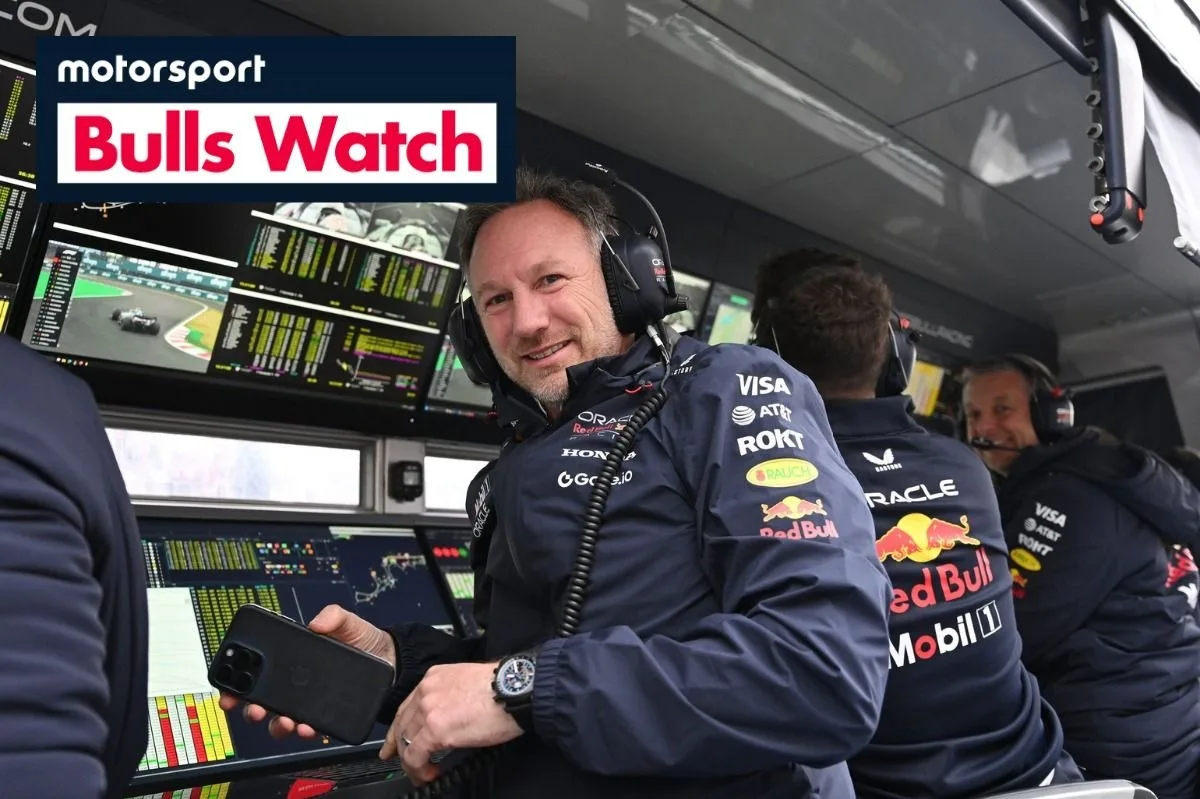
Red Bull GmbH's decision to terminate Christian Horner's contract in 2025 did more than end a 20-year era in Milton Keynes; it also left behind a financial legacy that reshaped the figure's career map. According to Red Bull Technology Limited's 2025 financial report, Horner received a severance package of £67 million (around Rp1.4 trillion) — a figure far exceeding the annual salary of a typical F1 team principal. Some paddock sources even estimate the total compensation package at close to $100 million once various contractual costs were settled.
The figure is not merely an accounting entry. For Horner, 52, the money serves as capital to redefine his position in the racing industry. He is no longer bound by the need to earn a living, so every offer that comes his way must pass a new filter: ownership. In an interview with the program 60 Minutes Australia, Horner said the wealth gave him the freedom of time. "I'm in a privileged position because I don't need to return to Formula 1," he said, adding that time is the most valuable asset.
Though he enjoys a quiet life at his home in the English countryside and now serves as a consultant to the British America's Cup sailing team, Horner insists his competitive drive has not faded. "I'm still a speed addict. Whether it's four wheels, two wheels, or four legs — a horse. Show me the racing line," he said. The remark signals that the door back into motorsport remains open, provided the terms are met.
Over two decades leading Red Bull Racing, Horner built the team into a dominant force with a string of world championship titles. Yet one thing he never had was equity ownership. Now, with nine-figure capital, he could potentially turn the tables. According to reporter Tara Brown, rumors of Horner's return to F1 would only materialize "if he owns part of a team". That means any interested team must prepare a seat in the boardroom, not just a seat on the pitwall.
In an F1 landscape that is increasingly competitive financially, share ownership is what separates an employee from a strategic partner. Midfield teams currently struggling or new manufacturers looking to build a racing program could tap Horner's experience. But they would have to be willing to share control. For Horner, buying a minority stake means moving up from an employee who can be dismissed to a long-term stakeholder.
"I'm still a speed addict. Whether it's four wheels, two wheels, or four legs — a horse. Show me the racing line." — Christian Horner
Even so, there is no concrete indication of which team might approach Horner. The paddock suspects he is weighing options between returning to F1 as an owner or focusing on his racehorse breeding operation. What is clear is that Horner's position is now far stronger in any negotiation. He is no longer chased by contract deadlines or pressure over race results.
For F1 fans in Indonesia, Horner's story mirrors how power dynamics play out behind the scenes in elite sport. Red Bull's decision to terminate his contract drew both support and criticism, but its financial impact has instead given him a freedom rarely enjoyed by team figures. Going forward, will Horner actually buy a team and change the face of the F1 grid? Or will he choose to enjoy retirement with his horses? The public awaits his next move.