Nova Arianto Sets U-20 National Team Training Camp Strategy Around FIFA Breaks, Friendlies Await 2027 Asian Cup Draw
Baca dalam 60 detik
- Pelatih Nova Arianto menegaskan pemusatan latihan Timnas U-20 hanya bisa digelar pada kalender FIFA Matchday karena mayoritas pemain kini terikat klub BRI Super League dan Pegadaian Championship.
- Agenda uji coba internasional belum dipastikan, menunggu hasil drawing Piala Asia U-20 2027 agar lawan yang dipilih sesuai profil tim di grup.
- Dengan modal juara Grup H kualifikasi tanpa kebobolan, Indonesia menargetkan pemusatan latihan lebih panjang pada Januari–Februari 2027 sebelum bertolak ke China.
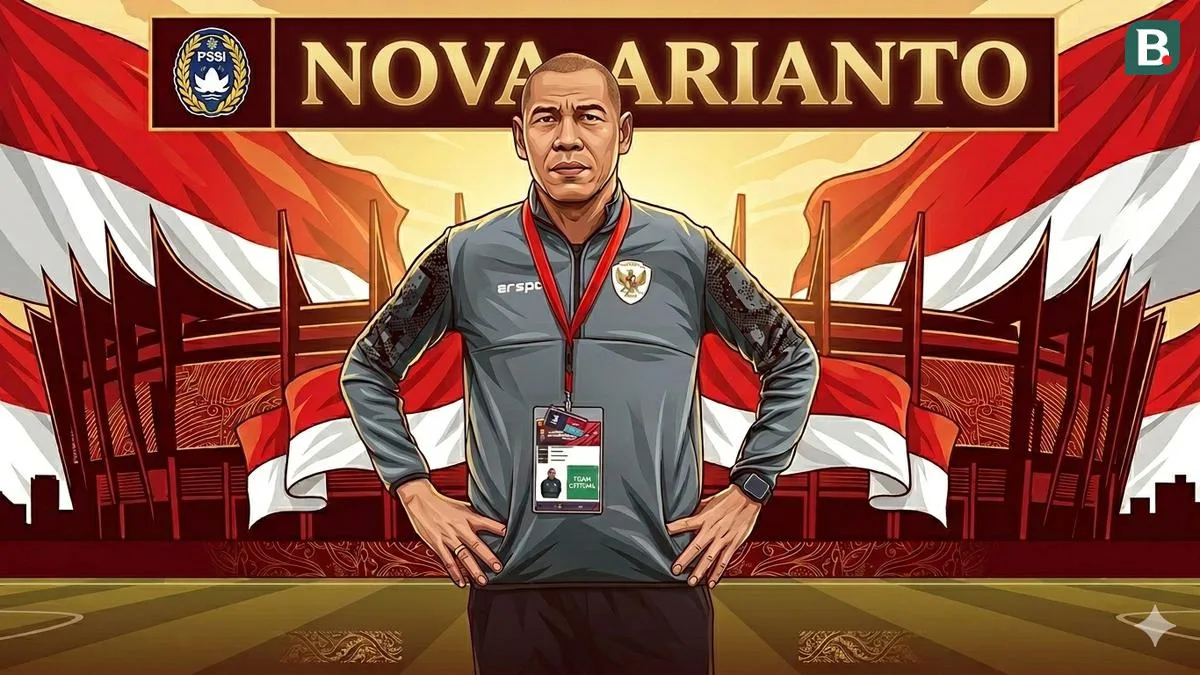
Indonesia U-20 national team coach Nova Arianto has confirmed that preparations for the 2027 U-20 Asian Cup finals in China cannot follow the usual long-term training camp model. The reason is that most of his players are now part of professional clubs competing in the BRI Super League and the Pegadaian Championship 2026/2027, so calling them up outside the official FIFA calendar could disrupt club interests.
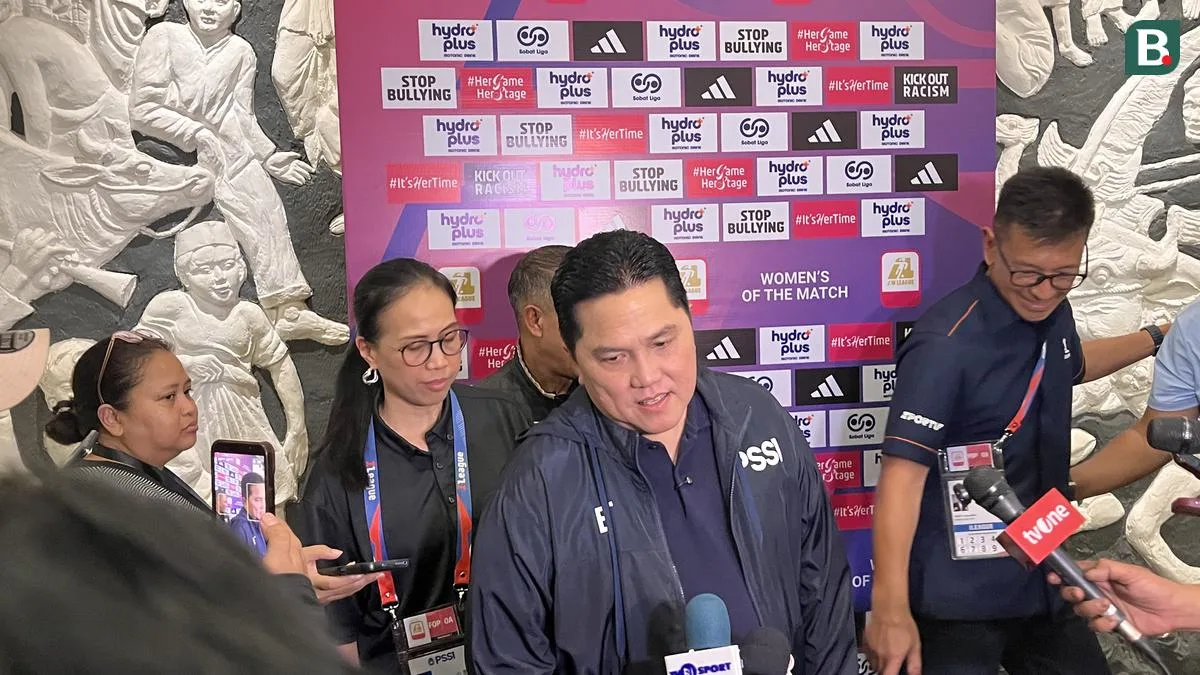
Nova has therefore designed short training camps held around competition breaks on FIFA Matchday. "Now the U-20 national team players mostly play in the Super League and Championship, so automatically we will hold training camps during the FIFA Matchday calendar. So we cannot call them up outside the FIFA Matchday calendar," he said in the Gelora Bung Karno area, Jakarta, Sunday (18/10/2026).
The decision is not without consequences. With a limited preparation window, the coaching staff must design a dense and sharply targeted training program. Nova said his side is still aiming for a longer training camp in January and February 2027, just before the squad departs for China for the tournament scheduled to run from 24 March to 10 April 2027.
On international friendlies, Nova could not yet confirm opponents or schedules. He stressed that the coaching staff is still waiting for the results of the 2027 U-20 Asian Cup group draw. Once the draw is known, they will look for opponents whose playing characteristics are close to those of prospective group-stage rivals. This approach reflects planning based on data and opponent profiles, rather than simply chasing international matches.
"We cannot call up players outside the FIFA Matchday calendar. Preparation must adapt to the club competition," said Nova Arianto.
On paper, Indonesia's credentials heading to China are promising. Garuda Nusantara sealed their ticket as Group H winners after drawing 0-0 with Malaysia, beating Laos 3-0, and defeating Australia 2-0. A clean sheet record across three matches is an indicator of a solid back line, though the challenge in the finals is clearly a different level.
Historically, Indonesia is no newcomer to Asian youth competitions. Across 20 appearances, the team has won the title in 1961, finished runner-up in 1967 and 1970, and placed third in 1962 and fourth in 1960. That record also took Indonesia to the 1979 FIFA U-20 World Cup in Japan. In the modern era, Indonesia hosted the 1990 and 2018 editions, with its best result coming in the quarter-finals in 2018.
The most recent campaign came at the AFC U-20 Asian Cup 2025, when Indonesia again qualified for the finals in China and competed in a group with Iran, Uzbekistan, and Yemen. This consistency in reaching the finals underscores Indonesia's position as one of the competitive forces at the youth level in Southeast Asia, even though it has not yet managed to reach the knockout stage on a regular basis.
For the national football public, Nova's decision to follow the FIFA Matchday calendar is a reasonable compromise within an increasingly professional competition ecosystem. On one hand, clubs have rights to their players; on the other, the national team needs time together to build chemistry. Going forward, the effectiveness of short training camps will be tested: can Indonesia compete with Asian teams that usually undergo longer preparations, or will this approach instead become a new, more efficient model?