UK Rejects Capital Gains Tax Rise, Pro-Investor Signal Amid Fiscal Pressure
Baca dalam 60 detik
- Menteri Keuangan John Healey memutuskan tidak menaikkan Capital Gains Tax (CGT) dalam Anggaran mendatang, meski sejumlah politisi Partai Buruh mendesak sebaliknya.
- Keputusan ini diambil setelah peringatan bahwa kenaikan CGT berpotensi mengurangi penerimaan negara akibat wajib pajak kaya yang hengkang atau menunda penjualan aset.
- Pemerintah Inggris menghadapi dilema fiskal: kebutuhan belanja pertahanan dan biaya hidup meningkat, sementara ruang fiskal terbatas oleh janji manifesto dan aturan utang.
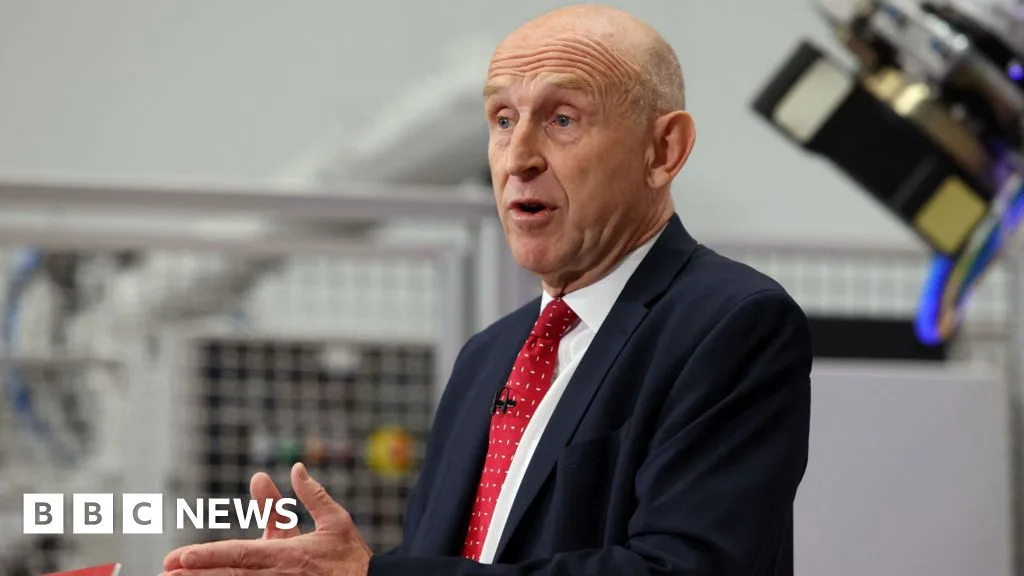
UK Chancellor John Healey has rejected pressure from a number of Labour MPs to raise Capital Gains Tax (CGT) in the Budget to be announced next week. The decision marks a victory for pro-investment circles amid pressure to increase state revenue.
Previously, two cabinet ministers, Wes Streeting and Louise Haigh, voiced support for raising CGT before Andy Burnham became prime minister last July. However, Healey is reported to have preferred to keep the current rates. CGT is levied on gains from the sale of assets whose value has increased, such as company shares or property other than a primary residence.
The decision was taken after warnings emerged that raising CGT could actually harm the government. If wealthy taxpayers choose to move abroad or delay selling assets, state revenue could be eroded. HMRC data last year estimated that raising the lower CGT rate by 1% would yield only an additional £5 million in 2028-9, while raising the higher rate by 10% could instead reduce Treasury receipts by up to £3.6 billion in the same period.
Healey himself signaled his policy direction in a speech last month. He stressed the importance of businesses and self-employed workers making a profit. "I want to see this country as a wealth-creating country. I want government decisions and policies to increase confidence, investment, and profit for UK businesses," he said, as quoted by the BBC.
Former Burnham adviser and Goldman Sachs Chief Economist Lord Jim O'Neill warned that raising CGT would send "the wrong message to business". However, a number of influential Labour figures continue to push for aligning CGT with income tax, since CGT has long been known to be lower.
Louise Haigh, a close ally of the prime minister, once wrote in the journal Renewal that raising CGT would "shift the tax burden from work that is punished to unproductive capital accumulation that does little to grow the everyday economy". She added that the policy would need to be accompanied by measures so that "legitimate investment returns are not penalized". Meanwhile, Defence Minister Wes Streeting in May called for "a wealth tax that works", arguing that aligning CGT and income tax would address an unfair system that "punishes work".
Healey himself had previously rejected aligning the two tax rates, according to a Financial Times report last week. Communities Minister Angela Rayner, when asked about the CGT plans on BBC Breakfast, declined to speculate on the Budget. When pressed on whether the refusal to raise the tax was a victory for the wealthy, she stressed that the government had taken steps to provide "breathing space" and help with the cost of living.
On the other hand, senior bank executives expect Healey to raise taxes on the banking sector. UK banks have reported large profits, prompting calls from trade unions to raise taxes. Healey is scheduled to set out his tax and spending plans in his first Budget on 28 October, amid pressure to ease the cost of living and fund a defence increase in next year's spending review.
Healey's fiscal room is very limited. The 2024 Labour manifesto promised not to raise income tax, national insurance, and VAT—the three main sources of revenue. The government is also constrained by debt rules it set itself. Conservative leader Kemi Badenoch, in a pre-Budget speech on Tuesday, urged the government to cut spending and reduce borrowing. She stressed that the prime minister and chancellor must "live within their means" and referred to her party's plan to save £70 billion through spending cuts, including welfare and overseas development aid. Badenoch argued that Labour would not "find the courage" to cut spending. "Britain cannot afford to do as little as possible," she said.
The Liberal Democrats claim the government could raise £14 billion, partly from a windfall tax on bank profits. Their deputy leader, Daisy Cooper, said the funds could be used to cut fuel duty, rail and bus fares, and VAT for hospitality businesses.
Healey's decision not to raise CGT reflects the tug-of-war between fiscal needs and a pro-investment signal. The public will be waiting to see whether this step is enough to drive growth, or whether it instead triggers criticism from those who want more aggressive redistribution. The 28 October Budget will be the first test for the Burnham government in balancing spending ambitions with fiscal discipline.