Elon Musk Agrees to Settlement in $1 Million-a-Day Lottery Lawsuit, Here's What It Means for Digital Democracy
Baca dalam 60 detik
- Musk dan America Pac memilih menyelesaikan dua gugatan class action yang menuduh mereka menyesatkan pemilih di tujuh negara bagian kunci melalui skema undian harian senilai US$1 juta.
- Kesepakatan diajukan ke pengadilan federal Austin, Texas, tanpa mengungkap besaran kompensasi, sementara hakim sebelumnya mewajibkan Musk memberikan kesaksian.
- Kasus ini menyoroti celah regulasi kampanye digital di AS dan berpotensi menjadi preseden bagi pengawasan praktik serupa di Indonesia.
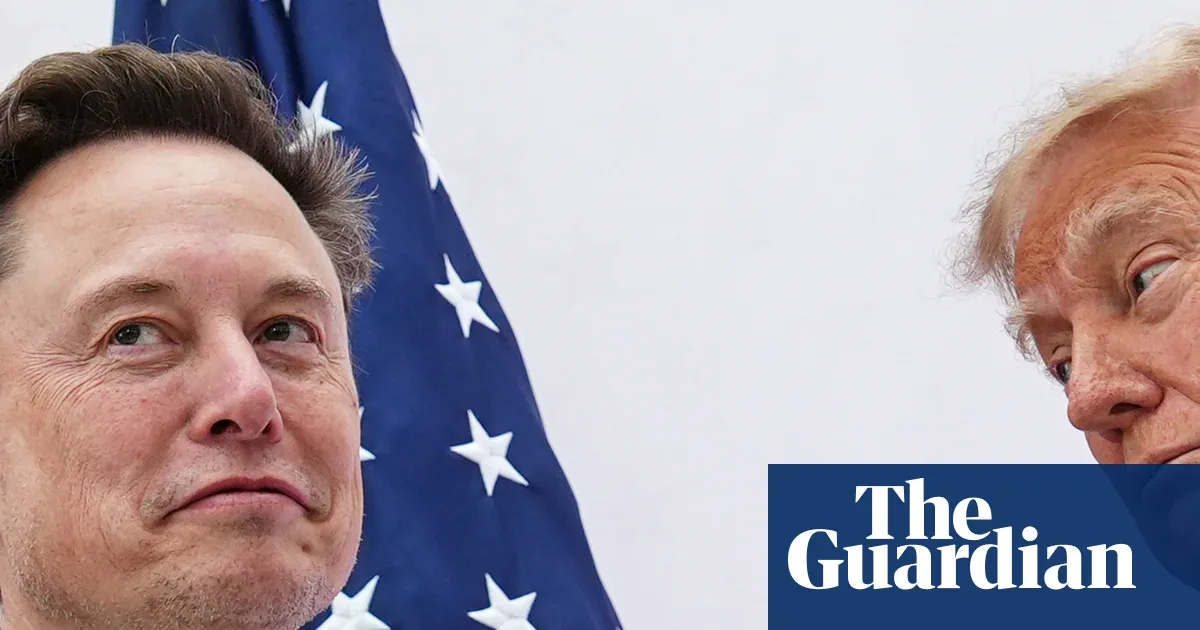
Elon Musk and the political action committee America Pac have formally filed a settlement agreement in two class action lawsuits accusing them of deceiving residents in competitive states ahead of the 2024 US Presidential Election. The agreement was submitted to a federal court judge in Austin, Texas, on Thursday (16/10/2026), and is still awaiting court approval.
The lawsuits stemmed from Musk's promise to give away US$1 million every day to randomly selected signatories of a petition supporting the US constitution. Two plaintiffs from Arizona argued that the scheme misled voters in seven swing states because the prize offer lacked a transparent mechanism. They sought damages on grounds of consumer fraud and campaign law violations.
However, the court documents do not detail the compensation amount. Lawyers involved declined to comment or did not respond to requests for additional information. Previously, in June 2026, a federal judge ordered Musk—CEO of Tesla and SpaceX and owner of platform X—to testify in the case.
This case is not merely an ordinary legal dispute. It shows how the boundaries between political campaigning, entertainment, and financial transactions are increasingly blurred in the social media era. Musk used the X platform he controls to spread the prize promise, creating an appeal that conventional campaigns struggle to match. The plaintiffs argued that the tactic violated the principle of fair competition because it provided direct material incentives to voters.
From a regulatory standpoint, this settlement leaves a big question: will such practices remain legal as long as there is no binding court ruling? Several US election law observers argue that an out-of-court resolution actually avoids a stronger precedent. "A settlement does end the dispute, but it does not answer whether such a lottery scheme violates campaign law," said a public policy analyst who declined to be named because they were not authorized to speak officially.
For Indonesia, this case is relevant given the growing use of social media and digital incentives in electoral campaigns. The General Elections Commission (KPU) and the Election Supervisory Board (Bawaslu) have so far prohibited giving money or goods to voters, but oversight of online schemes remains weak. If similar practices emerge in the upcoming 2027 regional elections, law enforcement will face a similar challenge: is a prize promise through a digital platform a violation, or merely a clever political marketing strategy?
What is clear is that the resolution of Musk's lawsuit marks a new chapter in the debate over the accountability of super-rich political influencers. The Austin court still has to approve the settlement, and until then, the US public—and the world—will keep waiting to see whether justice for voters who feel harmed is truly served. The question then: will regulators in various countries, including Indonesia, speed up updating digital campaign rules before similar tactics spread?