Tawaki, New Zealand's 'Forest' Penguin That Baffles Scientists: Population Triples, but Threats Remain
Baca dalam 60 detik
- Tawaki, spesies penguin yang bersarang di hutan hujan Fiordland, Selandia Baru, ternyata memiliki populasi jauh lebih besar dari perkiraan awal—sekitar 12.000–15.000 burung dewasa.
- Perilaku uniknya, seperti menggali terowongan ganda untuk menghindari peneliti dan bermigrasi ribuan kilometer sebelum berganti bulu, membuat para ilmuwan terus merevisi pemahaman tentang spesies ini.
- Meski statusnya naik dari 'rentan' menjadi 'hampir terancam' pada 2020, praktik penangkapan ikan komersial masih menjadi bayangan yang perlu diwaspadai.
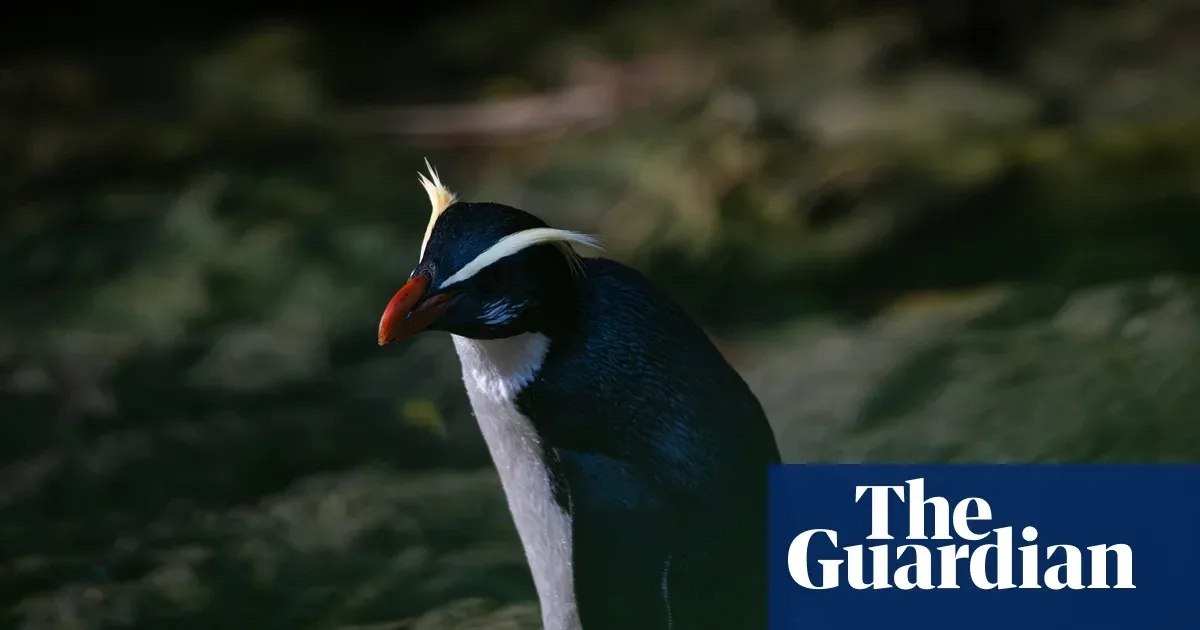
Behind the thick mist of New Zealand's fjords, a team of researchers struggles to chase one of the world's most mysterious penguins: the tawaki, or Fiordland crested penguin, which chooses to live in dense rainforest rather than on open ice. A four-day effort to catch a female on Eleanor Island—after the bird dug several escape burrows—became a symbol of how wild this species is, and of why data about them was empty for so long.
The Tawaki Project, founded in 2014 by Dr Thomas Mattern and his wife Ursula Ellenberg, was the first to map tawaki nests systematically. Throughout last September, the team recorded 93 nests on two islands, completing a total of 1,200 nests across nine fjords over 12 years. The results were surprising: the tawaki population is estimated to be three times larger than in previous surveys, at around 12,000 to 15,000 adult birds. This figure also prompted the International Union for Conservation of Nature (IUCN) to upgrade its status from "vulnerable" to "near threatened" in 2020.
However, the status upgrade comes with caveats. Tawaki still face pressure, especially from commercial fishing practices that could reduce prey availability. Mattern stressed that his team is now monitoring survival rates to ensure the population is truly stable. "If the numbers decline, we have to move fast to fix the situation," he said.
What makes tawaki so captivating is their behavior, which deviates from the norm for penguins in general. They do not nest in large colonies, but instead dig single burrows in dense forest, sometimes at unusual elevations. Mattern calls them "true forest penguins". Their hunting habits are no less odd: some groups forage entirely within the fjord, while others head out to the open ocean. "Just when you feel you understand them, you move to another fjord and they show behavior that shatters all your theories," Mattern said.
The biggest mystery may be the pre-molt migration. After the breeding season ends in December, when food around the fjords is abundant, tawaki instead make a 5,000–7,000 km journey to sub-Antarctic waters. Yet, according to Mattern, there is no logical reason for it. "They're like running a marathon while trying to gain weight," he said. He suspects tawaki are following an ancient instinct toward locations commonly used by all crested penguin species to forage.
"Tawaki are ghosts. They don't fit any penguin mold. Whatever we know about penguins, throw it all out the window." — Dr Thomas Mattern, leader of the Tawaki Project
The project relies on public donations and international grants, as well as support from volunteers such as Richard Abernathy, owner of the tourism company Fiordland Expeditions, who donates his boat and time every year. Thanks to his ability to find nests in unexpected locations, Abernathy is nicknamed "the sniffer dog". According to Mattern, this collaboration has "shone a spotlight on the most under-researched species" in New Zealand.
For Indonesia, the tawaki story is not merely an exotic tale from the southern hemisphere. As an archipelagic country with high marine biodiversity, Indonesia faces a similar challenge: how to balance resource exploitation—especially fisheries—with the conservation of species that depend on coastal ecosystems. The nest-mapping and long-term monitoring methods of the Tawaki Project could be a lesson for managing conservation areas in the country, especially in surveying populations of animals that are hard to access.
Going forward, the open question is how much pressure commercial fishing places on tawaki. If a declining trend is detected, policy intervention may be needed. But with a population that turns out to be larger than expected, will tawaki remain "ghosts" that are hard to track—or become a success story for citizen science-based conservation? The answer will depend on consistent funding and the political will to keep the fjords wild.