Indonesia Futsal Team's Real Test: Brazil at Home, Cape Verde Not to Be Underestimated
Baca dalam 60 detik
- Timnas futsal Indonesia tergabung di Grup A Copa das Nacoes 2026 bersama Brasil dan Tanjung Verde, bertanding 14–18 Oktober di Sao Jose dos Pinhais, Parana.
- Brasil berstatus peringkat satu dunia dan juara bertahan, sementara Tanjung Verde berada di posisi 133 — selisih peringkat yang menuntut Indonesia tetap waspada.
- Dua tim teratas grup melaju ke semifinal 17 Oktober, menjadikan laga melawan Tanjung Verde sama krusialnya dengan duel kontra Brasil.
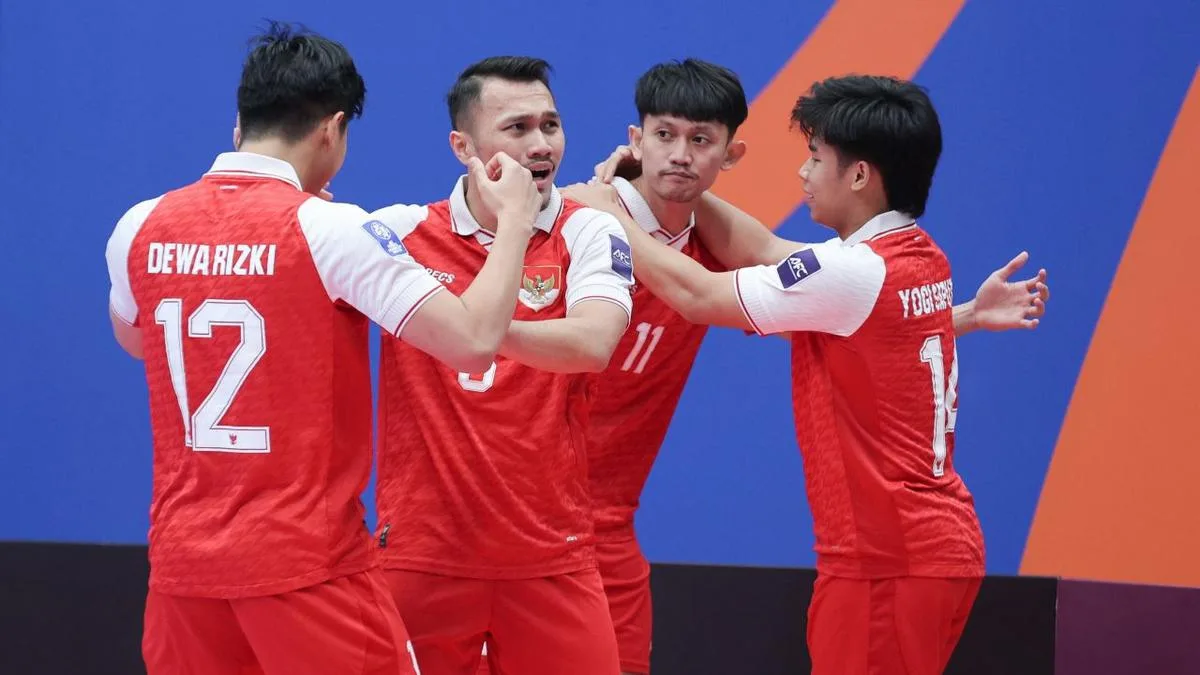
The Indonesia national futsal team will face one of its toughest assignments this year: competing in Group A of the 2026 Copa das Nacoes against hosts Brazil and Cape Verde, with the entire match schedule running 14–18 October in Sao Jose dos Pinhais, Parana. For the squad coached by Hector Souto, this is not merely an invitational tournament — it is a test to measure how far Indonesia stands from the world futsal elite.
Indonesia's credentials are clear enough. The Garuda arrive as finalists of the 2026 AFC Futsal Asian Cup and ranked 14th in the world in the FIFA ranking as of May 2026. That position places Indonesia as a rising Asian force, but not enough to make Brazil lose focus. The hosts come in as the world's top-ranked team in the September 2026 update and defending Copa das Nacoes champions after winning the 2023 edition.
Brazil coach Marquinhos Xavier has called up 15 players for this tournament. Several names playing in Europe bolster the squad's depth, including Pito and Joao Victor from Barcelona and Felipe Valerio from Sporting. That composition illustrates the standard Indonesia must face: players accustomed to competing in high-intensity leagues, plus Brazil's long experience at the international level.
On paper, the match against Brazil is the sharpest benchmark. However, reading Group A only through that duel is risky. Cape Verde — or Cabo Verde — sits at 133rd in the world, 119 places behind Indonesia. That gap can be deceptive: in a tournament with a short group format, one bad result against a team considered weaker can derail the ambition of reaching the semifinals.
The Cape Verde football federation described this participation as an opportunity for players and staff to learn from meeting teams with a different level of competition. That means their motivation is not merely to fill out the participant list. Teams that arrive without pressure often play more freely, especially when facing opponents who feel they must win.
For Indonesia, facing Brazil and Cape Verde is a chance to prove the team's progress after appearing in the 2026 AFC Futsal Asian Cup final.
Tactically, these two matches give Hector Souto evaluation material that Asian teams rarely get: facing different playing styles in close succession. Brazil will press with quick ball possession and aggressive rotation. Cape Verde, with more limited international experience, tend to play disciplined football and rely on transitions. Indonesia's ability to adapt across two consecutive meetings will determine their final position in the group.
The tournament format magnifies the pressure. The top two teams from each group advance to the semifinals on 17 October, while the third-place match and final are held on 18 October. There is no room for a slow start. A defeat to Brazil can still be excused on quality grounds, but dropping points against Cape Verde would almost certainly close Indonesia's path to the knockout stage.
The domestic context adds weight to this tournament. After reaching the 2026 AFC Futsal Asian Cup final, the Indonesian futsal public has begun demanding consistency at the global level. The Copa das Nacoes will prove whether the achievement in Asia was just a momentary spike or part of a sustained upward curve. The results in Brazil will also shape perceptions of national futsal development, including how ready Indonesia is to compete in upcoming world championships.
What is most anticipated is certainly not just the final score. The question is whether Indonesia can maintain its standard of play against Brazil without losing focus against Cape Verde — and whether these two matches are enough to change the Garuda's position from Asian challenger to a real threat on the world stage?