New Brexit Rules: Dual Citizens Must Hold UK Passports, Father in France Asked for DNA Test for His Daughter
Baca dalam 60 detik
- Seorang ayah berkewarganegaraan Inggris di Prancis harus menempuh tes DNA senilai £600 untuk membuktikan hubungan darah dengan putrinya agar bisa mengajukan paspor Inggris, akibat aturan pascabrexit yang mewajibkan warga negara ganda memegang paspor Inggris untuk masuk ke Inggris.
- Kasus ini mencuat setelah pengajuan paspor yang telah dilengkapi berbagai dokumen resmi, termasuk foto kehamilan dan akta kelahiran, ditolak karena dianggap bukti tidak memadai, sementara Kementerian Dalam Negeri Inggris tidak dapat memberikan penjelasan rinci.
- Setelah mendapat sorotan media, aplikasi tersebut akhirnya disetujui tanpa dokumen tambahan, namun insiden ini memicu pertanyaan tentang konsistensi dan transparansi kebijakan imigrasi Inggris yang berdampak pada keluarga lintas negara.
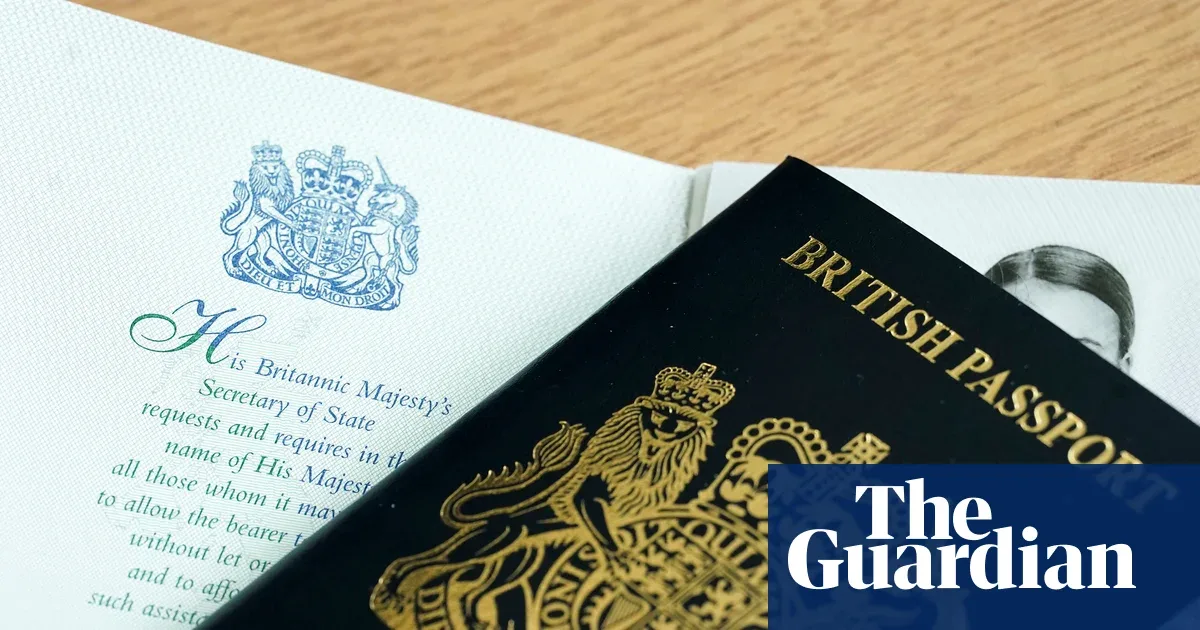
A British father living in France faced a complicated dilemma after UK immigration authorities rejected a passport application for his teenage daughter. The child, who holds only a French passport, was deemed to lack sufficient proof of British descent, so the father was asked to undergo a DNA test costing £600—a request he considered unreasonable given his own citizenship status.
The case emerged as a direct consequence of post-Brexit rules that took effect last February. The regulation requires every dual British citizen to hold a UK passport if they want to enter the UK. While ordinary foreign nationals can enter with their home country's passport, British citizens living abroad are caught by this rule and must pay an additional £589 for a certificate of entitlement if they do not have a UK passport.
The man, who is married to a French citizen and has long resided in France, has two older children with dual passports. However, his third child was born while the family was living in Zimbabwe and holds only a French passport. Since February, he has been trying to apply for a UK passport for his daughter, submitting various documents such as photos of his wife's pregnancy, family photos from the child's birth, hospital records, and official translations of the marriage and birth certificates. Nevertheless, in the official interview, he was asked more about his job, travel routes, and the layout of his home than about his relationship with his child.
The DNA test request is not merely about cost, but also about fairness and bureaucratic efficiency. According to UK Home Office rules, if an applicant refuses a DNA test, officials must consider the application based on the “balance of probabilities” and explain the reasons for refusal. In this case, however, the father was never told why the abundant evidence was considered insufficient. The situation was compounded by the urgent need to visit his seriously ill father in the UK, which could not be fulfilled because of the risk that his daughter would be denied boarding.
“The Home Office would not comment on individual cases, but they stated that additional evidence such as home layout can be requested to add 'authentic credibility'.”
Later, after the case received media attention, the passport application was finally accepted without any request for new documents since April. This change in stance sparked speculation that public pressure played an important role in speeding up the resolution. Nevertheless, the case highlights a systemic problem: many cross-border families may experience similar treatment without access to media spotlight.
The impact of this policy is not only felt by British citizens in Europe, but could also affect bilateral relations and global mobility. For Indonesia, which has a large diaspora in the UK and Europe, this rule serves as a warning about the importance of a deep understanding of post-Brexit citizenship regulations. Indonesian citizens who hold dual citizenship status or live in the UK with a British partner need to be aware of increasingly strict document requirements.
Going forward, the big question is whether the UK government will revise this policy to reduce the administrative and financial burden on cross-border families, or tighten it further. Without improvement, a wave of similar complaints is expected to continue, especially from those trapped in a labyrinth of opaque bureaucracy.