Seoul Pulls in Rp103.9 Trillion from Foreign Tourist Spending, Up 59.9 Percent
Baca dalam 60 detik
- Pemerintah Metropolitan Seoul mencatat pengeluaran wisatawan mancanegara mencapai 7,78 triliun won (sekitar Rp103,9 triliun) selama Januari–Agustus 2026, naik 59,9 persen year-on-year.
- Lonjakan ini jauh melampaui pertumbuhan kunjungan yang hanya 21,6 persen, menandakan pergeseran perilaku turis menuju belanja bernilai tinggi, terutama di sektor ritel dan medis.
- Dominasi wisatawan China, Jepang, dan Taiwan (66,4 persen) menjadi peluang sekaligus risiko ketergantungan pasar bagi strategi pariwisata Seoul ke depan.
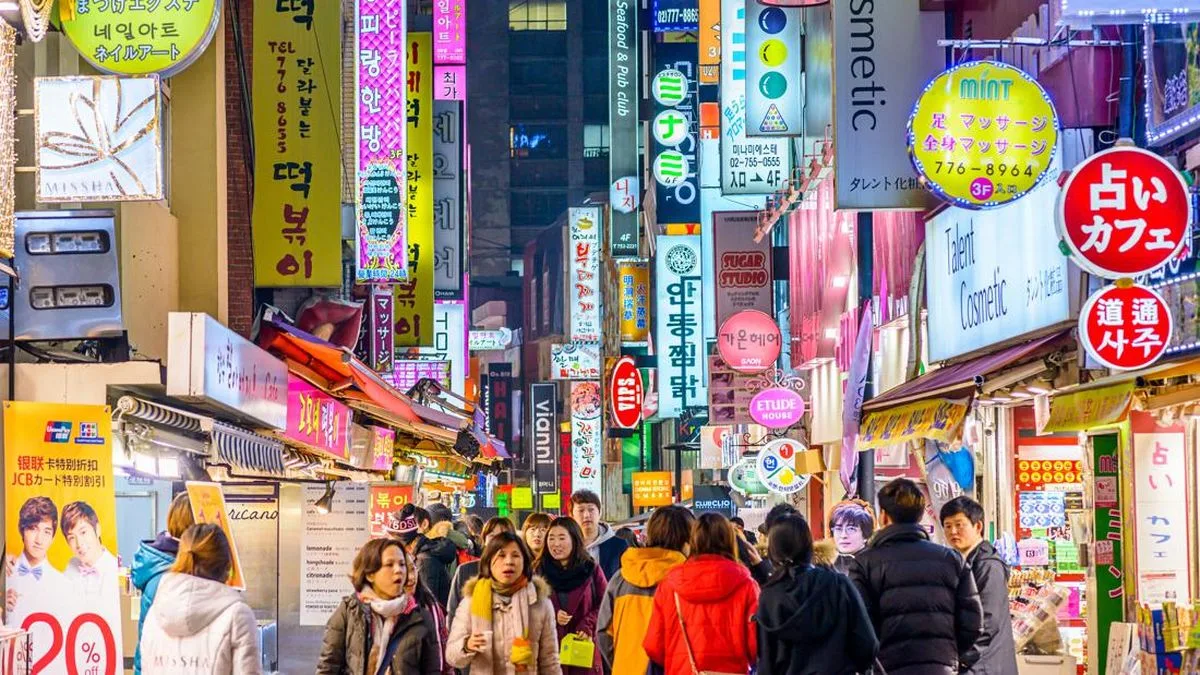
The Seoul Metropolitan Government reported that foreign tourists spent 7.78 trillion won, equivalent to Rp103.9 trillion, in the South Korean capital between January and August 2026. The figure jumped 59.9 percent compared with the same period last year, marking a tourism recovery far faster than many analysts had expected.
Notably, the pace of spending growth was nearly three times the 21.6 percent rise in visitor numbers. That means each tourist who arrived did not merely visit but spent far more money than before. Total spending over the eight months has already matched 98 percent of the full-year 2025 figure of 7.94 trillion won.
Since April 2026, foreign tourist spending in Seoul has consistently topped 1 trillion won per month. Goods purchases dominated with a 46.6 percent share, followed by medical services at 23.8 percent, food and beverages at 13.2 percent, and accommodation at 10.4 percent. Spending at shopping malls surged 77.5 percent, and in August alone rose 88.3 percent. Shopping districts grew 80.9 percent, while traditional markets also enjoyed a 50.1 percent increase.
The spending surge that outpaced the rise in arrivals indicates a shift in the composition of tourists. Seoul is no longer merely a stopover destination but a hub for shopping and health care. The medical sector, which accounts for nearly a quarter of spending, reinforces South Korea's position as a health tourism destination in East Asia—a niche market that Thailand and Malaysia have also long contested.
Spending growth that is 2.8 times faster than visitor growth shows that Seoul's appeal now rests on high-value experiences, not merely tourist volume.
For Indonesia, this phenomenon is both a mirror and a warning. Indonesia is targeting 14.3 million foreign tourist arrivals in 2026, but average spending per tourist still lags far behind South Korea. So far, foreign tourists in Indonesia have tended to concentrate in Bali, with spending dominated by accommodation and dining, while the retail and medical sectors remain underdeveloped. If Indonesia wants to pursue quality, not just quantity, diversifying tourism products—including health and shopping tourism—must become a policy priority.
Seoul's dependence on three main markets also carries risk. China, Japan, and Taiwan account for 66.4 percent of total arrivals. Geopolitical tensions or an economic slowdown in any of those countries could immediately erode revenue. Market diversification is homework that cannot be postponed, especially with renewed interest from tourists from Southeast Asia and the Middle East.
Going forward, the question is no longer whether Seoul can sustain the momentum, but how long this spending surge can remain sustainable. If the trend continues, South Korea could close 2026 with its highest tourist spending on record. However, without a strategy to preserve purchasing power and broaden the market base, this double-digit growth could prove a fleeting peak rather than a long-term foundation.