Trump Claims Russia-Ukraine Energy Ceasefire, Zelenskyy Awaits Details from Washington
Baca dalam 60 detik
- Presiden AS Donald Trump mengumumkan gencatan senjata energi Rusia-Ukraina lewat Truth Social, tanpa merinci isi kesepakatan.
- Zelenskyy menyatakan dukungan, tetapi menegaskan Kyiv masih menunggu penjelasan resmi dari pemerintahan AS.
- Langkah ini berpotensi meredakan tekanan harga minyak dan gas global menjelang musim dingin, meski rekam jejak gencatan senjata sebelumnya rapuh.
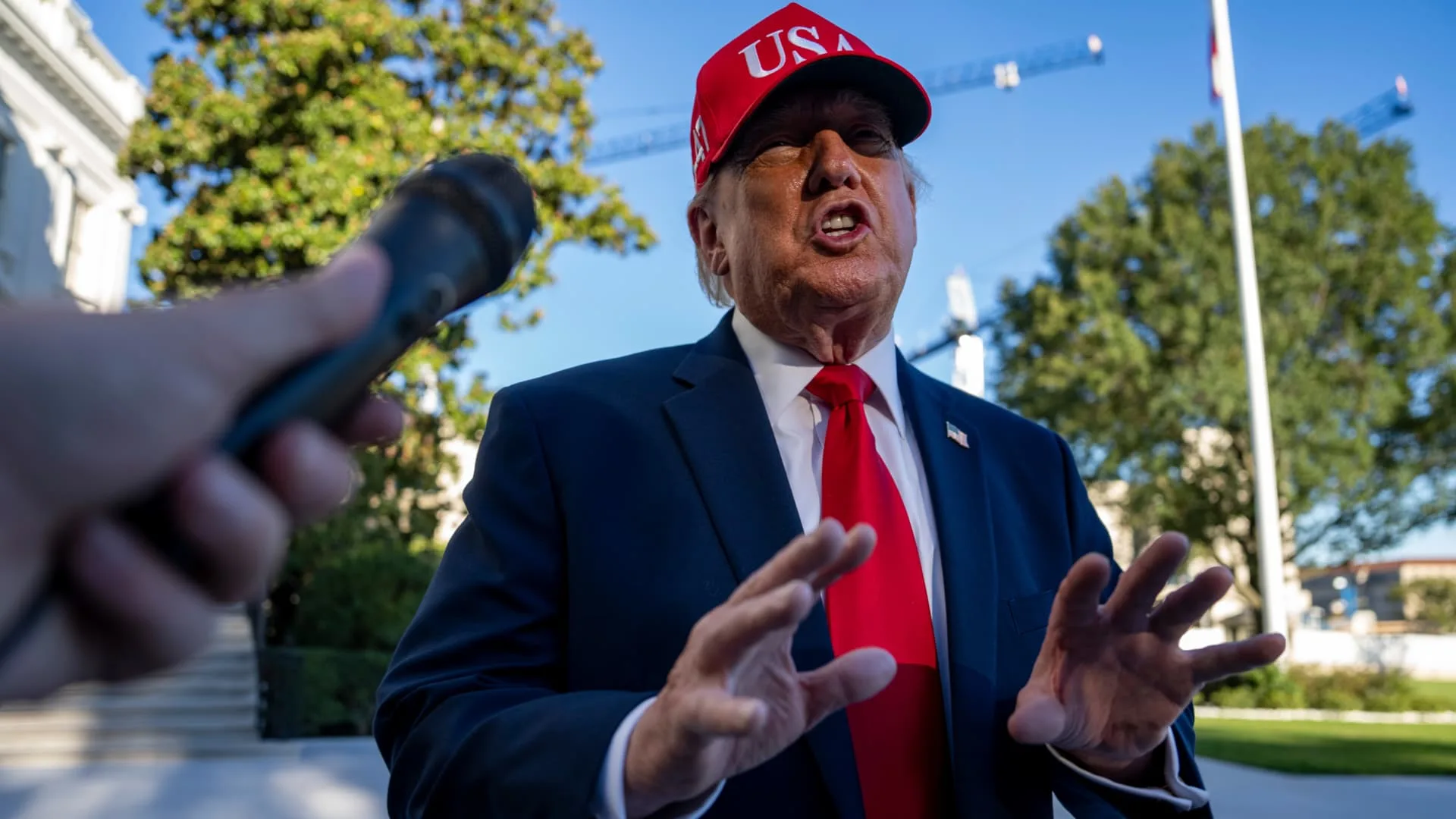
United States President Donald Trump claimed Russia and Ukraine have agreed to what he called an "energy ceasefire", an announcement that immediately raised questions because it came without official details from either warring party. In a post on Truth Social, Trump said the agreement takes effect immediately and warned that no one should violate it. However, as of the statement's circulation, there has been no independent confirmation that either Moscow or Kyiv actually signed such a commitment.
The White House, when asked for clarification by CNBC, only referred back to Trump's social media post without providing additional comment. That stance reinforced the impression that the announcement was more a political declaration than a verified written agreement. Ukrainian President Volodymyr Zelenskyy also responded cautiously. He said Ukraine supports the idea of an energy ceasefire, but stressed that his side is still waiting for details from the United States before taking a further position.
"Ukraine supports a ceasefire, and it is important for Russia to support it as well. We are waiting for details from the American side," Zelenskyy said, adding that Kyiv has always supported de-escalation and the protection of civilians.
Trump's statement came amid a surge in global energy costs triggered by the US war with Iran. In that context, an energy ceasefire between Russia and Ukraine is seen as potentially easing pressure on world oil and gas supplies, especially as the northern hemisphere prepares for winter. However, the sudden and detail-light nature of the announcement means the market cannot yet calculate its impact with certainty.
Tensions before this announcement had been running high. Trump had previously criticized Zelenskyy openly, even suggesting that Kyiv's leadership be replaced, and accused Ukraine of causing high diesel prices that threatened the Republican Party's position ahead of November's midterm elections. Trump also claimed to have reached an agreement with Russian President Vladimir Putin to bring Russian diesel into the global market. Zelenskyy responded with a firm condition: Ukraine will halt attacks on Russian oil refineries only if Moscow stops attacks on Kyiv's power grid.
In an interview with ABC's "This Week", Zelenskyy called on Trump to send a clear signal to Russia not to attack Ukraine's energy infrastructure. He stressed that if Moscow wants an energy ceasefire, Ukraine is open to it provided attacks on civilians and children stop. That statement reflects Kyiv's position of not wanting to be trapped in a one-sided agreement without security guarantees.
For Indonesia, this development is worth watching because global energy prices have a direct impact on the state budget, particularly through fuel and electricity subsidies. Any easing of tensions that leads to stabilization of crude oil prices could reduce the subsidy burden and provide greater fiscal room. Conversely, if the energy ceasefire fails to materialize, oil price volatility could again pressure the rupiah exchange rate and widen the oil and gas trade balance deficit.
The track record of ceasefires between Russia and Ukraine since 2022 shows that agreements often last only briefly. Trump himself has repeatedly promised efforts to end the conflict, but results have yet to materialize. Therefore, this latest announcement still has to be proven through real action on the ground, not merely a statement on social media.
The big question now is: will Moscow openly confirm this commitment, or will Trump's announcement evaporate like a number of previous peace initiatives? Without verification from the Kremlin and security guarantees for Kyiv, the energy ceasefire risks becoming a symbol without substance — and global energy markets will once again depend on unpredictable geopolitical tensions.