Ronaldo Leaves Portugal National Team: Federation Risks Losing Its Commercial Engine
Baca dalam 60 detik
- Cristiano Ronaldo hengkang dari pemusatan latihan Timnas Portugal setelah berselisih dengan pelatih Jorge Jesus terkait menit bermain.
- Federasi Sepak Bola Portugal (FPF) berpotensi kehilangan pendapatan komersial besar karena Ronaldo adalah aset pemasaran utama.
- Nilai merek pribadi Ronaldo ditaksir mencapai 850 juta euro, sementara eksposur media sosialnya selama Piala Dunia 2026 jauh melampaui akun resmi timnas.
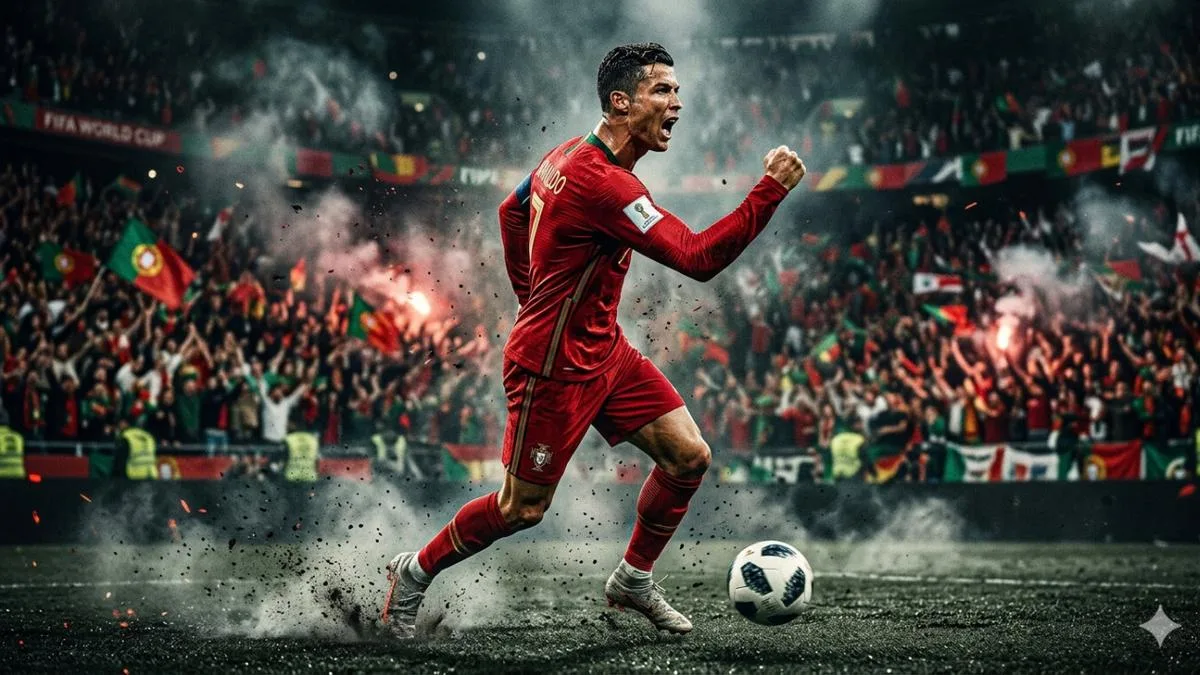
Cristiano Ronaldo's departure from the Portugal national team squad has triggered serious concern within the Portuguese Football Federation (FPF). It is not only about losing a star player, but also a threat to the federation's financial stability, which has long relied on the captain's commercial appeal.
The conflict between Ronaldo and coach Jorge Jesus was the main trigger. The 41-year-old felt an agreement over playing time was not honored when Portugal beat Norway 2-1 on 28 September 2026. He sat on the bench, then decided to leave the training camp. Although he later apologized to teammates and supporters, Ronaldo stressed he remained willing to play for the Selecao das Quinas after serving any punishment that may be imposed.
The FPF is reportedly seeking a solution so Ronaldo can return to the national team. L'Equipe reported the federation wants to give a proper farewell to the forward who has scored 146 goals in 234 appearances, rather than ending his international career amid a dispute with Jesus. However, the effort is not free of business calculations: Ronaldo is not merely a player, but a marketing engine that drives the commercial wheels of Portuguese football.
Portuguese marketing experts warn that Ronaldo's absence could shake the federation's revenue. Executive Director of the Portuguese Institute of Marketing Administration (IPAM), Daniel Sa, called Ronaldo the most globally recognized Portuguese brand in history. Similarly, marketing consultant Carlos Coelho assessed Ronaldo as the greatest asset Portuguese football has ever had. "Losing Ronaldo would be a huge commercial blow," Coelho said, as quoted in the report.
The FPF's dependence on Ronaldo is reflected in its revenue structure. The federation relies on sponsors, television broadcast rights, licensing, and merchandise sales. So far, Ronaldo's presence on the pitch and on social media has been a magnet for sponsors and broadcasters. Without him, the value of commercial contracts could decline, especially since no other Portuguese player has an equivalent global reach.
Even so, audience exposure figures do not automatically mean the FPF loses 107 million US dollars in direct revenue. That value measures public attention, not money entering the federation's coffers. However, the striking gap between Ronaldo's exposure and the national team's official account shows how large an individual's influence is on Portuguese football's visibility.
For Indonesia, this case mirrors how football federations in developing countries are also vulnerable to dependence on a single star. PSSI, for example, often relies on naturalized names or players abroad to attract sponsors and media attention. If a similar conflict occurs one day, the impact could be felt more strongly because the fan base and commercial revenue are not yet as strong as Portugal's.
Going forward, the FPF is in a difficult position: keep Ronaldo for commercial stability or build the team's image without dependence on one figure. Their decision will set a precedent for other federations on how to manage the transition from the era of a megastar to team collectivity. Will Portugal be able to break free from Ronaldo's shadow, or will it become even more trapped in the business vortex he created?