Richard Garriott to Reclaim Ultima Copyright from EA in 2027
Baca dalam 60 detik
- Richard Garriott akan merebut kembali hak cipta seri Ultima dari Electronic Arts pada 2027 melalui klausul hukum AS setelah 35 tahun pengalihan.
- Langkah ini membuka peluang rilis ulang dan sekuel, tetapi Garriott belum menentukan arah pemanfaatan waralaba tersebut.
- Keputusan ini bisa menjadi preseden bagi pengembang game lain yang ingin mereklaim karya lama dari penerbit besar.
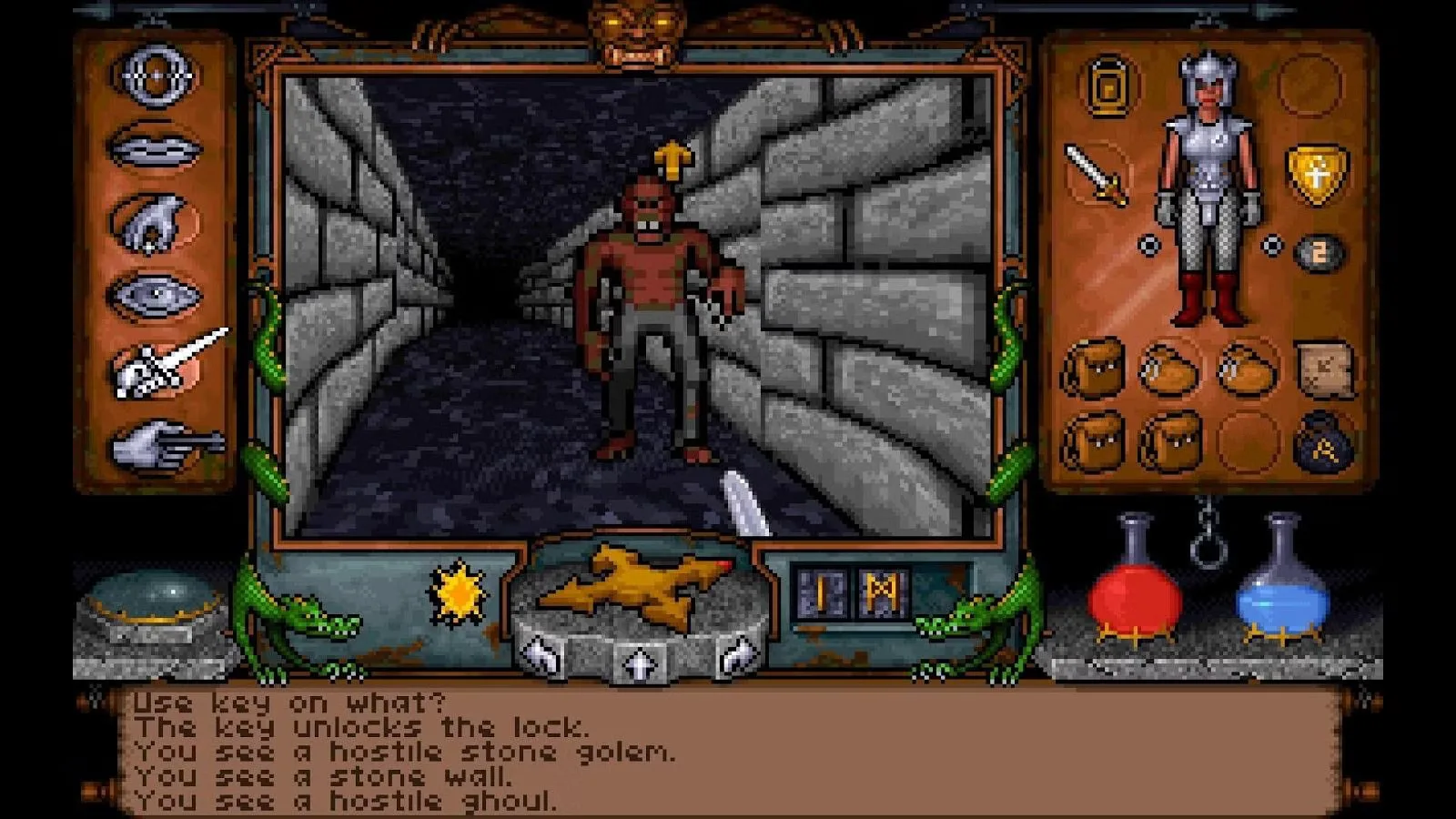
Legendary game creator Richard Garriott has confirmed he will reclaim the copyright to the Ultima series from Electronic Arts (EA) in 2027. He is using a provision in United States copyright law that allows original creators to reclaim works after 35 years of transfer, provided they give written notice at least one year in advance. Garriott contacted EA in April 2026 and the company did not object.
Ultima was first released in 1981 and became one of the foundations of the computer role-playing game (RPG) genre. In the early 1990s, Garriott sold the series along with his studio, Origin Systems, to EA for USD 30 million. He later developed the short-lived MMO Tabula Rasa, and in 2008 flew a 12-day mission as a private astronaut aboard the International Space Station. Now, after decades, he is preparing to bring home the franchise that made his name.
In an interview with Jesse Petrilla, Garriott said he still has to think about his next steps once the copyright returns. "At the very least, I can re-release the early Ultima games, but it also makes a sequel possible," he said. The Ultima series is known for being innovative, but the creative and technological landscape of games has changed drastically in the 21st century. Even so, Garriott, known for his persistence, seems unlikely to be daunted by the challenge.
Ultima Online, the MMO spin-off released in 1997, was a major milestone for the online game genre. Its sophisticated economic and social systems set the standard for similar games. On August 8, 1997, the game became the stage for one of the most memorable events: the killing of the character Lord British. At the time, Garriott logged in as Lord British to greet beta testers during a stress test. A player named Rainz learned that an earlier server crash had removed Lord British's invulnerability, then attacked him with fire magic. Garriott's character died, and other developers retaliated by summoning a horde of demons that slaughtered everyone present.
For the global game industry, Garriott's move could set a precedent. Developers who feel they have lost control of their work may take a similar path to reclaim copyright from major publishers. In Indonesia, this phenomenon is relevant to discussions about intellectual property protection and creators' moral rights. Although there has been no similar case, copyright awareness among local developers is beginning to grow, especially as more indie studios want to retain control over their work.
Looking ahead, the big question is whether Garriott will revive Ultima with a modern approach or stay true to its classic roots. With cloud technology, VR, and AI developing rapidly, the opportunity to create a new Ultima experience is wide open. However, the biggest challenge is meeting the expectations of longtime fans while attracting a new generation. We will just have to wait for Lord British's next move.