Vitalik Buterin: AI Could Break Crypto Cryptography Within Two Years, Not a Quantum Threat
Baca dalam 60 detik
- Vitalik Buterin memperingatkan bahwa kemajuan matematika yang dipercepat AI berpotensi melemahkan kriptografi berbasis lattice dalam dua tahun dan algoritma ECDSA yang melindungi dompet Bitcoin serta Ethereum.
- Ia menolak kepanikan massal, namun mendorong migrasi bertahap ke alamat yang belum pernah mengirim transaksi dan adopsi skema hash-based seperti SPHINCS dan WOTS.
- Risiko ini meluas ke luar blockchain: enkripsi kunci publik untuk pesan aman, VPN, dan akses situs web juga bergantung pada matematika terstruktur yang bisa jadi sasaran AI.
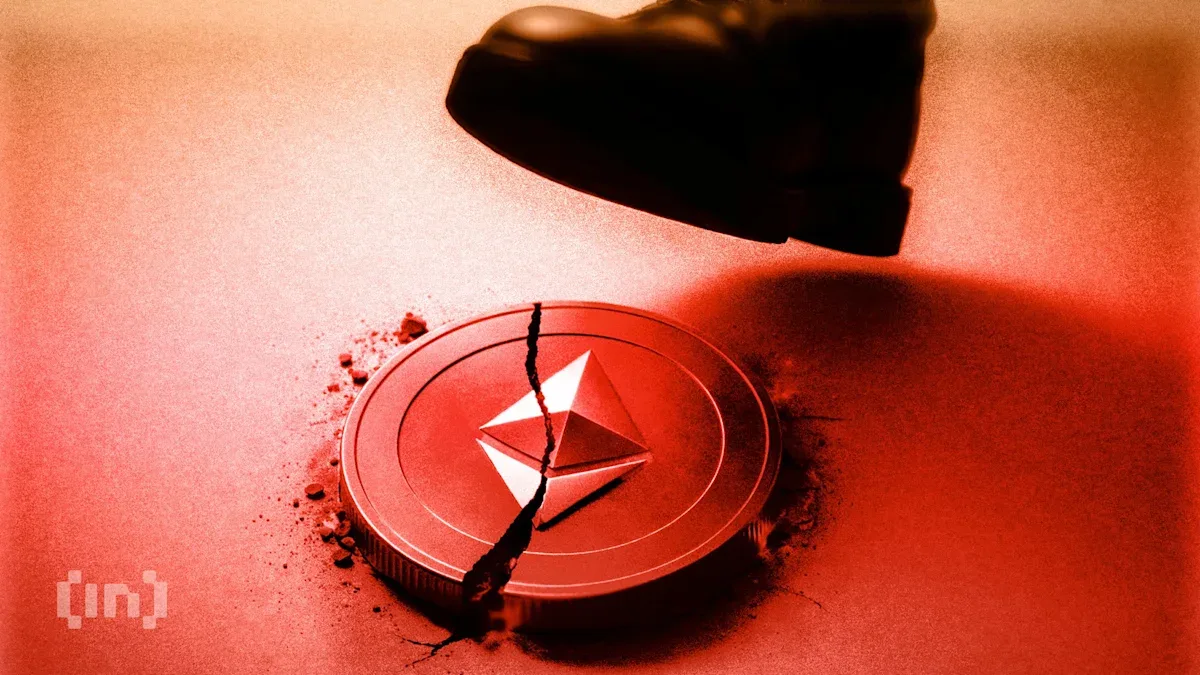
Vitalik Buterin, one of the co-founders of Ethereum, warned that AI-driven mathematical leaps could weaken lattice-based cryptography—the foundation for quantum-resistant digital signature standards—within two years. The warning also covers the potential breaking of the Elliptic Curve Digital Signature Algorithm (ECDSA) that has long secured Bitcoin and Ethereum wallets, with a worst-case scenario of just months.
Buterin made the remarks in response to Ethereum researcher Justin Drake, who called on the industry to prepare a "bunker mode". Still, he stressed there is no reason to panic or rush to move funds to new wallets right now. "I don't recommend anyone rush to move their funds to a new wallet today. But we should take seriously the cryptographic risks from AI-accelerated math, and minimize our exposure not just to quantum-vulnerable cryptography, but also to potentially AI-vulnerable cryptography," he wrote in a post on X on October 7, 2026.
Until now, the common assumption has treated elliptic curves as the weak point, while hash and lattice are relatively safe. Buterin now questions half of that assumption—particularly on lattice. Lattice math underpins the Module-Lattice-Based Digital Signature Algorithm (ML-DSA), a signature standard designed to counter quantum computers. The technology is also the backbone of Fully Homomorphic Encryption (FHE), which enables computation on encrypted data.
Buterin drew a parallel with the history of factorization. In the past, the discovery of the number field sieve as a shortcut forced encryption key sizes to balloon for decades. If AI can compress 50 years of mathematical progress into two years, lattice could meet a similar fate. Hash functions, by contrast, are designed without exploitable structure, making them safer. Ethereum has also steered its long-term roadmap, the Lean roadmap, toward a design that relies only on hash for the past year. Its signatures use hash-based schemes such as SPHINCS and WOTS.
The threat does not only haunt blockchain. Public-key encryption—which underpins secure messaging, VPNs, and website access—cannot rely on hash alone. All of it depends on structured math that, according to Buterin, is also vulnerable to AI acceleration. For systems meant to last, he suggests enlarging key sizes by up to ten times.
"I personally have lost more money from failed migrations than from all the hacks that have ever happened," Buterin said, warning users not to rush.
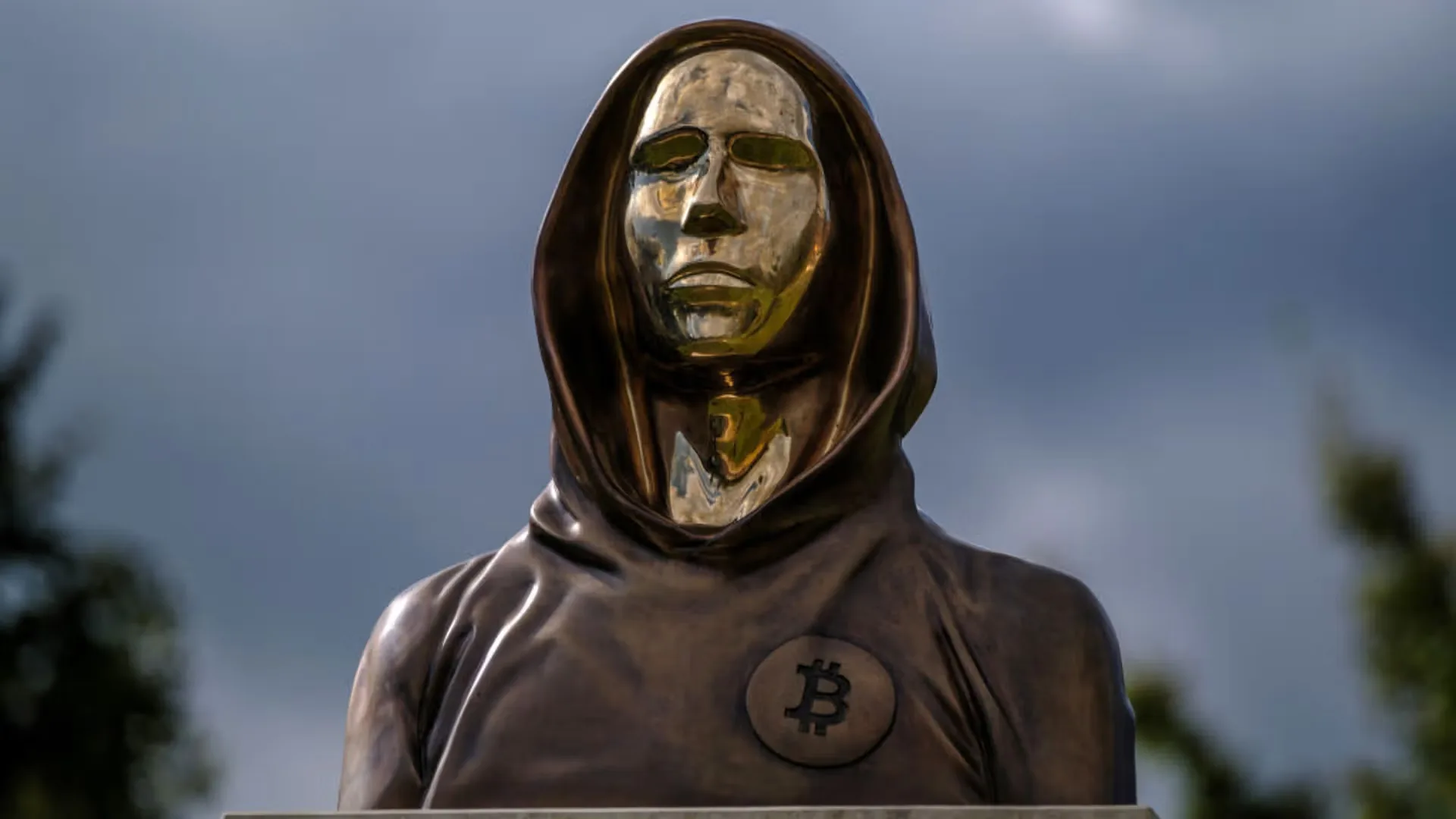
Drake added that wallets holding less than 50 BTC get partial protection from "Satoshi's shield"—around 20,000 public addresses already exposed on-chain and linked to Bitcoin's creator, Satoshi Nakamoto. He also highlighted opportunities for Binance, Bitbank, Robinhood, Bitfinex, and Tether to strengthen their offline cold storage. For multisig wallets, Buterin prefers off-chain confirmation; if ECDSA falls, such wallets would degrade to a single signer, not open to anyone. For privacy protocols, he strongly advocates sending encrypted notes through third-party off-chain channels rather than posting them on-chain.
Drake stressed that Ethereum's roadmap schedule must be reviewed and accelerated. Meanwhile, for Indonesia, the implications of this warning are increasingly relevant. Crypto adoption in the country keeps growing, with Bappebti recording millions of retail investors. Most of them store assets in hot wallets that use ECDSA. If this AI threat materializes, a massive migration wave could burden the local ecosystem, especially domestic exchanges that must raise cold storage standards and educate users on better security practices.
The question now: will the global crypto industry, including in Indonesia, take this warning seriously by investing in post-quantum and AI-resistant cryptography? Or will we wait until the damage is done, as warned by one of the most important architects in this space?