Double Pressure: Bond Yields and Oil Prices Surge, Bitcoin Slumps Below US$83,000
Baca dalam 60 detik
- Imbal hasil obligasi AS tenor 10 tahun menembus 5,35% dan 30 tahun di atas 5,73%, memicu eksodus aset berisiko.
- Harga minyak mentah WTI melesat 4% ke US$92,40 per barel, sementara Brent menembus US$105, memperkuat tekanan inflasi.
- Bitcoin anjlok ke US$82.965 dan indeks dolar menguat ke 102,4, menambah beban bagi pasar kripto dan saham teknologi.
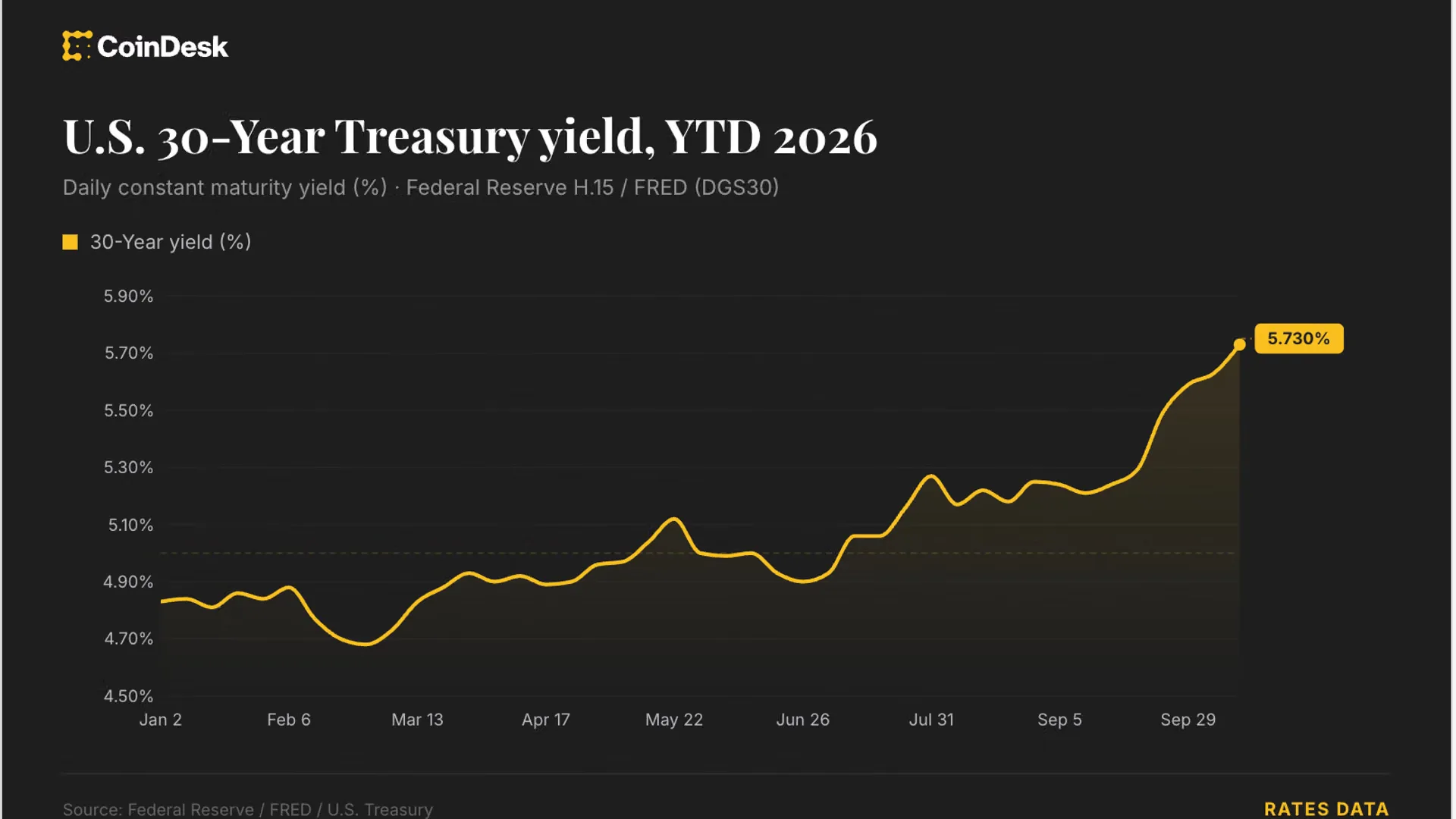
Global financial markets were once again hit by a wave of pressure after US Treasury yields surged to their highest levels in recent years, while crude oil prices soared and the dollar index strengthened. The combination of the three created a perfect storm for risk assets, with Bitcoin forced below the US$83,000 threshold.
Based on the latest trading data, the yield on 10-year US government bonds has risen to 5.352%, while the 30-year tenor broke through 5.73% — a level last seen before the 2008 financial crisis. The increase reflects market expectations that the Federal Reserve will keep interest rates high for longer, especially after stubborn inflation data and a surge in energy prices.
In commodity markets, West Texas Intermediate (WTI) crude oil jumped more than 4% in the last 24 hours to US$92.40 per barrel. Brent also rose about 4% to US$105. More surprisingly, the price of ultra-low sulfur diesel (ULSD) futures at New York Harbor surged another 4% to US$4.80 per gallon, extending an energy rally that has been underway for several weeks. The rise in oil prices not only affects global transportation and logistics costs but also reinforces the narrative of inflation that is difficult to control.
Meanwhile, the US Dollar Index (DXY) strengthened to 102.4, adding pressure on emerging market currencies and crypto assets. Bitcoin, which is usually considered a hedge against inflation, was instead dragged down to US$82,965 — weakening nearly 1% in a day. Gold still held above US$4,100 per ounce, but silver fell to a new low below US$59. Technology stocks were also under pressure, with Nasdaq 100 futures down nearly 1%.
For crypto investors, this pressure is nothing new. Since the start of the year, Bitcoin has repeatedly failed to break through resistance levels due to tight global liquidity. However, this rise in US bond yields is different: the market is starting to price in the possibility of a technical recession in the US if The Fed continues to raise interest rates. "The bond market is sending a signal that the cost of capital will remain high, and that is bad for speculative assets like crypto," said a macro analyst from a global investment bank, as quoted from its research report.
"The simultaneous rise in oil and dollar prices creates a very challenging environment for risk assets. Bitcoin and technology stocks will continue to be under pressure until there is clarity on the direction of monetary policy."
The impact on Indonesia cannot be ignored. As an oil-importing country, the rise in Brent and WTI prices will widen the trade balance deficit and pressure the rupiah exchange rate. If DXY continues to strengthen, Bank Indonesia may need to raise its benchmark interest rate to maintain exchange rate stability, which in turn could slow credit growth and domestic consumption. On the other hand, high energy commodity prices could be a blessing for coal and CPO exporters, but the benefits are uneven.
Going forward, market attention will be focused on the release of US inflation data and statements from The Fed officials in the coming days. If bond yields continue to rise, selling pressure in the crypto market and technology stocks is likely to continue. The question is, will Bitcoin be able to hold above US$80,000 as psychological support, or will it instead become the gateway to a deeper correction?