Choosing a Security Camera for Dark Areas: Sensor and Lens Matter More Than Resolution
Baca dalam 60 detik
- Kinerja kamera pengawas di malam hari ditentukan oleh ukuran sensor, bukaan lensa, dan sistem pencahayaan, bukan semata-mata angka megapiksel.
- Kamera low-light warna membutuhkan cahaya sekitar, sedangkan infrared menjadi solusi praktis untuk area yang benar-benar gelap.
- Penempatan kamera dan koneksi Wi-Fi yang stabil sama pentingnya dengan spesifikasi teknis untuk menghasilkan rekaman yang dapat dijadikan bukti.
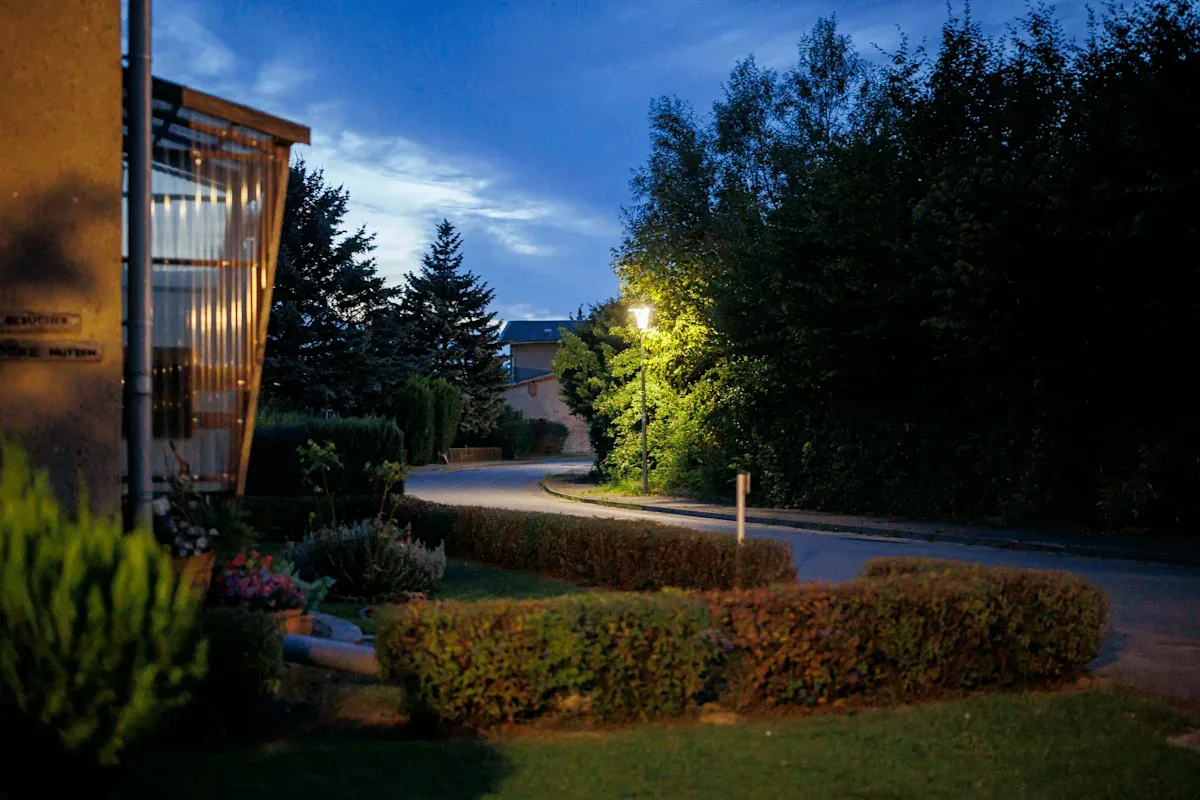
Homeowners who rely on surveillance cameras are often disappointed when nighttime recordings fail to identify a license plate or a person's features. The main cause is not low resolution, but the camera's ability to capture light in low-light conditions. Cameras with larger sensors, wide-aperture lenses, and additional lighting generally produce more useful nighttime images than high-resolution cameras with small sensors.
The global security camera market continues to grow, but consumer understanding of technical specifications still lags. Many manufacturers market "night vision" without explaining that the mode switches to monochrome infrared when visible light is unavailable. As a result, users only discover the device's limitations after an incident occurs. In Indonesia, demand for surveillance cameras in residential areas and shophouses is rising, especially in parking areas with minimal street lighting.
The fundamental difference lies in the type of illumination. Color low-light cameras, such as those adopting Axis Lightfinder or Bosch Starlight technology, are designed to retain color at very low light levels. However, these cameras still require an ambient light source—for example, a street or garden lamp. By contrast, infrared cameras emit LEDs outside the visible spectrum, enabling vision in total darkness, but the result is black-and-white. According to manufacturer specifications, cameras with motion-activated spotlights can combine both: illuminating the area while recording color video.
Beyond specifications, camera placement determines the result. Aiming the camera at a driveway, garage door, or gate offers a greater chance of capturing faces and license plates. Pointing the lens directly at a bright light source instead causes glare and reduces detail. A stable Wi-Fi connection is also crucial because connected cameras often rely on the network for live streaming and notifications.
"The right camera is not the one with the highest resolution, but the one capable of capturing meaningful detail when the sun goes down," is the principle emphasized in security device selection guides.
For consumers in Indonesia, an additional consideration is resilience to tropical weather. Outdoor cameras need an adequate water- and dust-resistance rating. In addition, internet network quality in some regions remains a constraint, so local storage or memory card features are a plus. Several global brands do offer high specifications, but price and after-sales availability domestically need to be taken into account.
Going forward, the integration of artificial intelligence in security cameras is predicted to become increasingly common, enabling more accurate detection of people, vehicles, or animals. However, without an adequate sensor and lens foundation, such smart features will not help much in dark conditions. The question is, will manufacturers begin educating the market about the importance of optical specifications, or will consumers remain trapped in the megapixel numbers war?