Constitutional Court Rejects Gibran Diploma Lawsuit, but Constitutional Questions Remain Unresolved
Baca dalam 60 detik
- Mahkamah Konstitusi memutuskan tidak mendiskualifikasi Gibran Rakabuming Raka dari kursi Wakil Presiden meski tidak menemukan bukti ijazah setara SMA.
- Putusan ini menutup salah satu sengketa hukum paling sensitif pasca-Pilpres 2024, namun menyisakan perdebatan soal standar verifikasi syarat pencalonan.
- Publik dan elite politik kini menanti apakah preseden ini akan memperkuat atau justru melemahkan integritas proses pencalonan di masa depan.
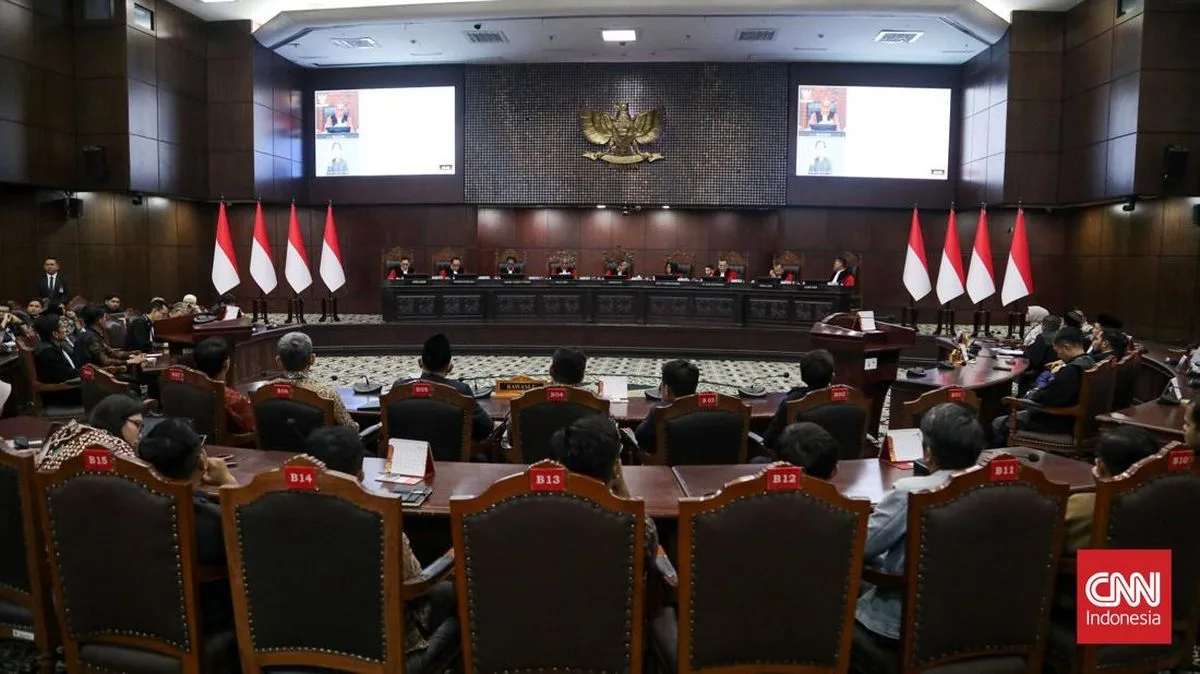
The Constitutional Court (MK) decided not to disqualify Gibran Rakabuming Raka from the office of Vice President of the Republic of Indonesia. The ruling was read out in a hearing held on Tuesday (6/10) evening, even though the panel of constitutional justices did not find sufficient evidence that Gibran holds a high school diploma or its equivalent as required by the constitution.
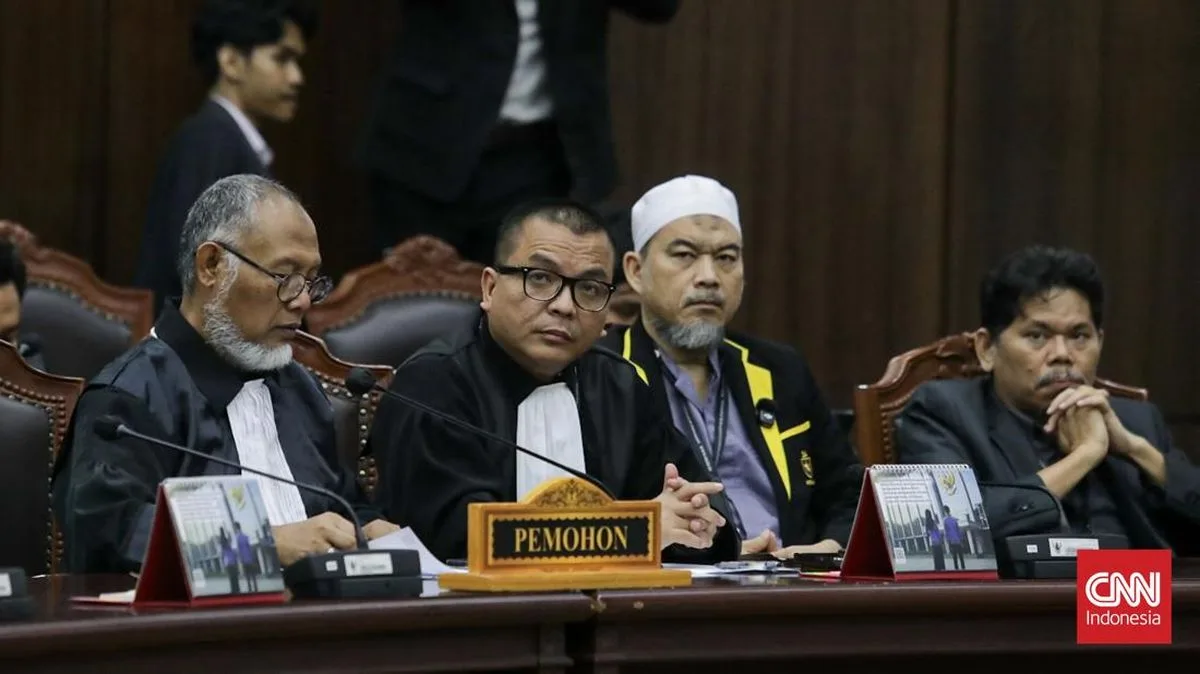
This decision marks the end of one of the most publicly watched lawsuits after the 2024 Presidential Election. The lawsuit, filed by a number of parties, including figures such as Denny Indrayana and Bambang Widjojanto, highlighted the validity of Gibran's educational requirement when he registered as a vice-presidential candidate. However, the MK deemed the petitioners' arguments inadmissible, so Gibran's name remains legally valid in occupying the seat of Indonesia's number two official.
Legally, this ruling confirms that the MK chose not to intervene further in the candidacy process that had already taken place. Politically, however, the decision does not necessarily ease criticism. A number of observers see a paradox: on one hand, the MK acknowledges there is no evidence of educational qualification; on the other, the institution refuses to annul the candidacy result. This situation raises questions about how strict the verification standards for presidential and vice-presidential candidate requirements actually are as carried out by election organizers.
"This ruling shows the MK prefers to maintain constitutional stability rather than open a Pandora's box of candidacy disputes that could have wide-ranging impacts," said a constitutional law analyst monitoring the hearing.
The long-term consequences could be more complicated. If this precedent is accepted, there may be a perception that constitutional requirements such as a high school-equivalent education are no longer a major obstacle as long as the political and administrative process is considered complete. Conversely, if the public keeps raising the issue, pressure on the integrity of election organizers and the MK itself could intensify, especially ahead of the next election cycle.
For Indonesia, this case also tests the extent to which the judiciary can serve as the last guardian of the constitution when facing electoral political interests. MK rulings are often described as final and binding, but their social legitimacy depends on how convincing the legal reasoning is. In this case, part of the public may feel that the reasoning has not fully answered anxieties about the validity of the candidacy requirements.
Going forward, attention will focus on two things: first, whether there will be further legal steps or new lawsuits with different arguments; second, whether the DPR and election organizers will revise the rules on candidate requirement verification so that similar loopholes do not recur. Without reform, every election risks inheriting the same dispute, only with different actors and years.