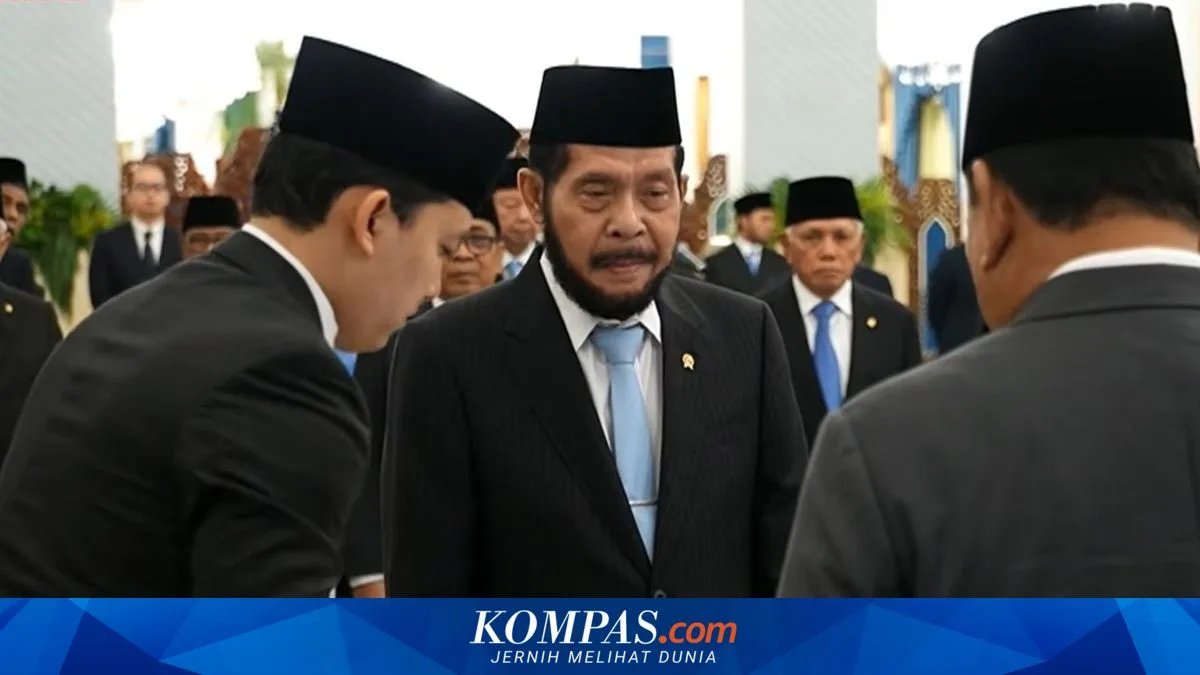
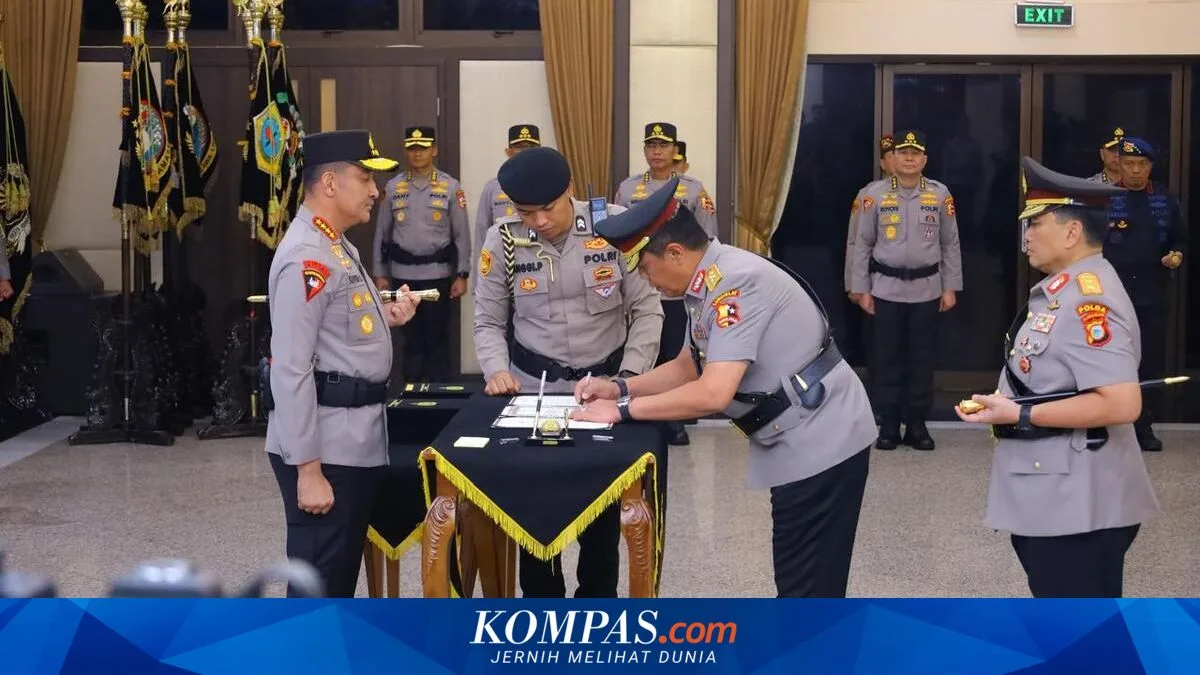
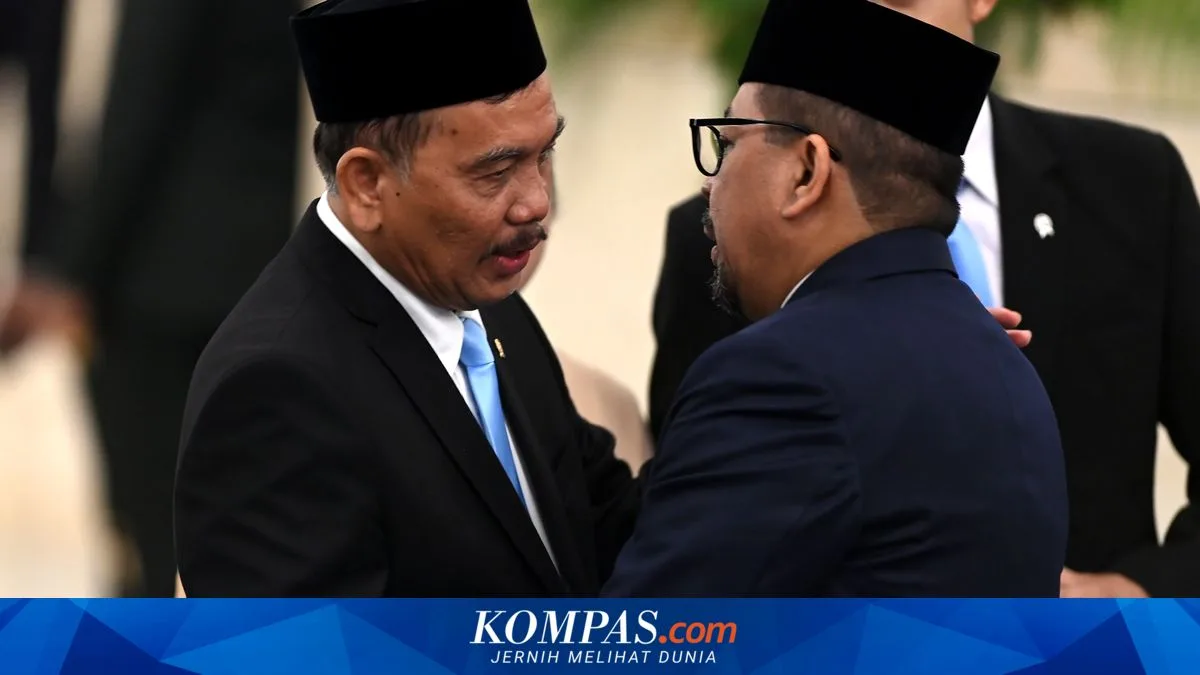
A Day After Inauguration, Police Chief Suyudi Reassigns 88 Officers — A Signal of Consolidation Toward 2029?
Baca dalam 60 detik
- Jenderal Polisi Suyudi Ario Seto merombak 88 posisi perwira tinggi dan menengah hanya sehari setelah resmi menjabat sebagai Kapolri, mencakup 14 pejabat utama Mabes dan 19 Kapolda.
- Langkah ini memicu pertanyaan tentang arah meritokrasi yang dijanjikan saat fit and proper test, sekaligus membuka spekulasi soal konsolidasi kekuasaan menjelang Pemilu 2029.
- Publik menanti apakah rotasi berhenti di level Mabes-Polda atau merembet ke Kapolres, yang akan menentukan konfigurasi komando Polri dari pusat hingga daerah.
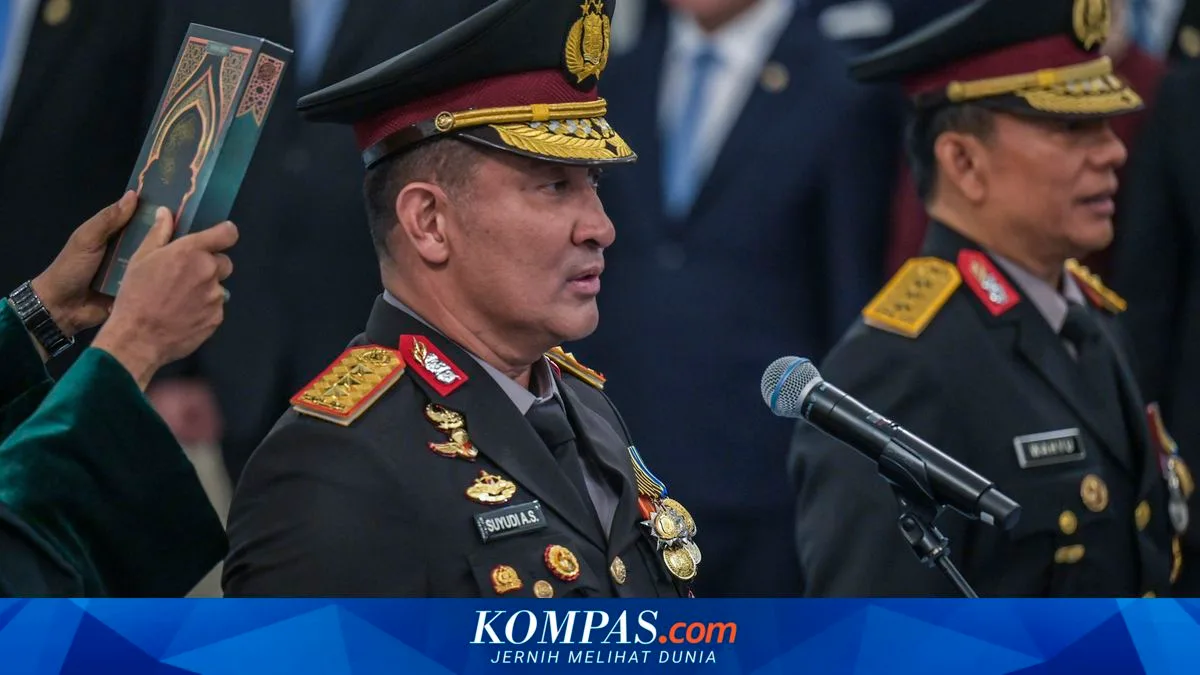
Police General Suyudi Ario Seto did not wait long to show the direction of his leadership. Just one day after being inaugurated by President Prabowo Subianto at the State Palace on 1 October 2026, he issued a telegram reassigning 88 senior and mid-ranking officers. Of that number, 70 personnel received promotions or new posts, including changes in 14 key positions at National Police Headquarters (Mabes Polri) and 19 regional police chief (Kapolda) posts.
The scale of the reassignment is too large to be dismissed as mere administrative routine. Under the previous police chief, Listyo Sigit Prabowo, mass rotations were indeed common—for instance, 29 senior officers (Pati) and 443 mid-ranking officers (Pamen) were reassigned in June 2024, then 157 Pati and Pamen including six Kapolda were rotated in July 2024, and 483 Pati and Pamen in December 2023. What sets this occasion apart, however, is the timing and Suyudi's position as someone who has just taken command.
In his fit-and-proper test at the DPR, Suyudi placed meritocracy, integrity, oversight, and accountability at the core of his transformation agenda. He even stressed that there should be no room for patronage, transactions, or sponsorship in human resource management. The 100-day program he offered also began with mapping the actual situation, testing improvements, and corrections. His first reassignment therefore serves as an early test of the principles he proclaimed before taking office.
The question that follows: is this wave of rotation purely an effort to build a more effective working team, or does it also mark the start of a reconstruction of relations between the police leadership, the center of power, and regional command structures? In institutional politics, such a sequence of events deserves to be read as a signal, even though it cannot yet serve as evidence of a particular political motive. What needs scrutiny is not only who replaces whom, but the pattern formed by the entire set of changes.
"The issue is not whether reassignments are normal, but the timing, composition, and pattern of change that emerge immediately after a new police chief takes command," reads an analysis circulating in the public sphere.
A large security organization operates through a chain of command. Changes at the Mabes level will affect the distribution of authority, while changes in Kapolda posts determine who translates central policy in the regions. If the changes continue down to the Kapolres level, the effect is no longer merely personnel rotation but the formation of a new command configuration from the center to the regions. This is what keeps the public and observers closely watching the direction of further reassignments.
In studies of security institutions, such matters are usually measured through three parameters: bureaucratic autonomy, professionalism, and political control. A democratic state does need a police force under civilian authority. The President has a constitutional role in appointing the police chief with DPR approval. Yet the police are still required to enforce the law professionally and maintain political neutrality.
Ahead of the 2029 Election, the police chief's position becomes increasingly strategic. The neutrality of the Polri will be a major focus, especially if the rotation continues to lower levels. The public will judge whether these reassignments are consistent with the promise of meritocracy or instead become an instrument of power consolidation. To what extent can Suyudi maintain the institution's independence amid political pressure? Only time will tell, but the reassignment record over the coming months will be an early indicator that is hard to dispute.