Film 'Kikuyu Land' Exposes Colonial Land Grab in Kenya, Tea Multinationals Still Hold Ancestral Heritage
Baca dalam 60 detik
- Dokumenter Kikuyu Land menyoroti perjuangan warga Kenya merebut kembali tanah leluhur yang dirampas era kolonial Inggris dan kini dikuasai perusahaan teh multinasional.
- Lebih dari 1,15 juta acre tanah direbut dari 780 petani kulit putih dan dijual ke 35.000 keluarga Kenya, tetapi elite politik dan korporasi asing tetap menguasai perkebunan besar.
- Film ini menantang narasi global tentang keadilan restitusi dan mempertanyakan tanggung jawab perusahaan atas warisan kolonial yang masih hidup hingga kini.
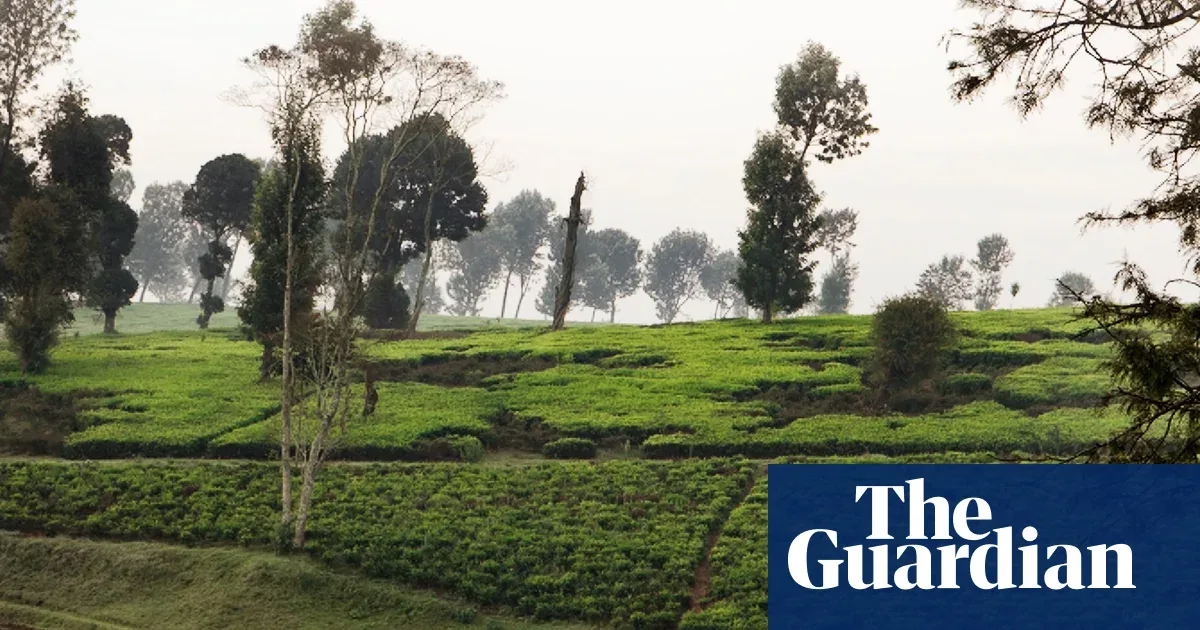
Multinational tea companies still control fertile highlands in central Kenya that are the ancestral land of communities displaced during the British colonial era. That reality is the focus of a new documentary titled Kikuyu Land, which began screening in the UK on Friday (1/10/2026) and highlights the local community's long struggle to reclaim rights to their land.
To British colonizers, Kenya's highland region was dubbed the “White Highlands” — an area reserved for European settlers. Local residents were forcibly evicted, while their land was converted into tea and other commercial crop plantations. To this day, descendants of the victims continue to try to reclaim land that is de facto controlled by multinational corporations.
The documentary is directed by Kenyan filmmaker Bea Wangondu together with her colleague from the United States, Andrew H Brown. According to Brown, this issue is not just a Kenyan story. “Colonial structures did not only shape land use and labor in Kenya. They created patterns of power that are still alive today in various parts of the world,” he said, as quoted in the film's release.
History records that Kenya was under British rule from 1895 to 1963. That period was marked by racial discrimination, forced evictions, forced labor, and brutal suppression of resistance. After independence, a land redistribution program was indeed rolled out, but it did not automatically restore indigenous peoples' rights. Many strategic tracts of land instead passed into the hands of a small elite and foreign companies managing large plantations.
“They raped our country, they evicted us, they took our land, and they committed the injustices they committed against us,” said Mungai, a resident fighting to reclaim his family's land, in the film.
The film stems from Wangondu's childhood curiosity: why did her grandfather own far more land than his neighbors? Because her family was reluctant to give answers, she traced colonial history herself. After years of working for international production houses and media, Wangondu felt she needed to tell her own story. “It is time we told our story with our own voice and our own understanding,” she said.
She then developed the idea with Brown in 2021 after the two met on a National Geographic production. Kikuyu Land follows Wangondu's search for answers about her family's land, interspersed with a broader investigation into tea plantations and Mungai's struggle. In one scene, Mungai cries under a tree after his aunt shows him the location of their ancestors' graves, which now lie inside the fence of the tea plantation they are claiming.
The story also intersects with the claims of the Kipsigis and Talai communities, who were brutally evicted from their land in the Rift Valley to make way for tea plantations owned by white settlers. In 2021, a UN special rapporteur expressed concern over the British government's stance, which was deemed to have failed to provide adequate remedy and reparation for both communities.
Kikuyu Land premiered at the Sundance Film Festival in the United States last January, and had its UK premiere in June at Sheffield DocFest. The film is scheduled to screen at the NBO Nairobi Film Festival this October. One of the producers, Joseph Njenga, said he was moved to hear stories of suffering caused by the cruelty of colonial administration. “My mind cannot comprehend and process the pain inflicted on us — for no clear reason,” he said.
For Indonesia, this issue is not unfamiliar. A number of large plantation companies operating since the Dutch colonial era still control vast tracts of land, while indigenous communities in various regions continue to fight to regain rights to their land. This documentary can serve as a mirror showing that the colonial legacy in agrarian governance did not only occur in Africa, but also in Southeast Asia, including Indonesia. The question is, to what extent are the state and corporations willing to acknowledge and resolve agrarian injustices rooted in the past?