America.gov: Trump's AI Ambition for Public Services, but Vulnerable to Hacking and Wrong Answers
Baca dalam 60 detik
- Pemerintahan Trump meluncurkan America.gov, portal layanan pemerintah berbasis AI yang dilatih dari 29.000 situs dan 800 juta halaman.
- Analis keamanan menilai klaim 'tidak bisa diretas' tidak berdasar dan memperingatkan perluasan permukaan serangan saat AI diberi akses data pribadi.
- Insiden chatbot memberi respons acak seperti 'Play Minecraft' menunjukkan sistem belum siap menangani interaksi publik yang kompleks.
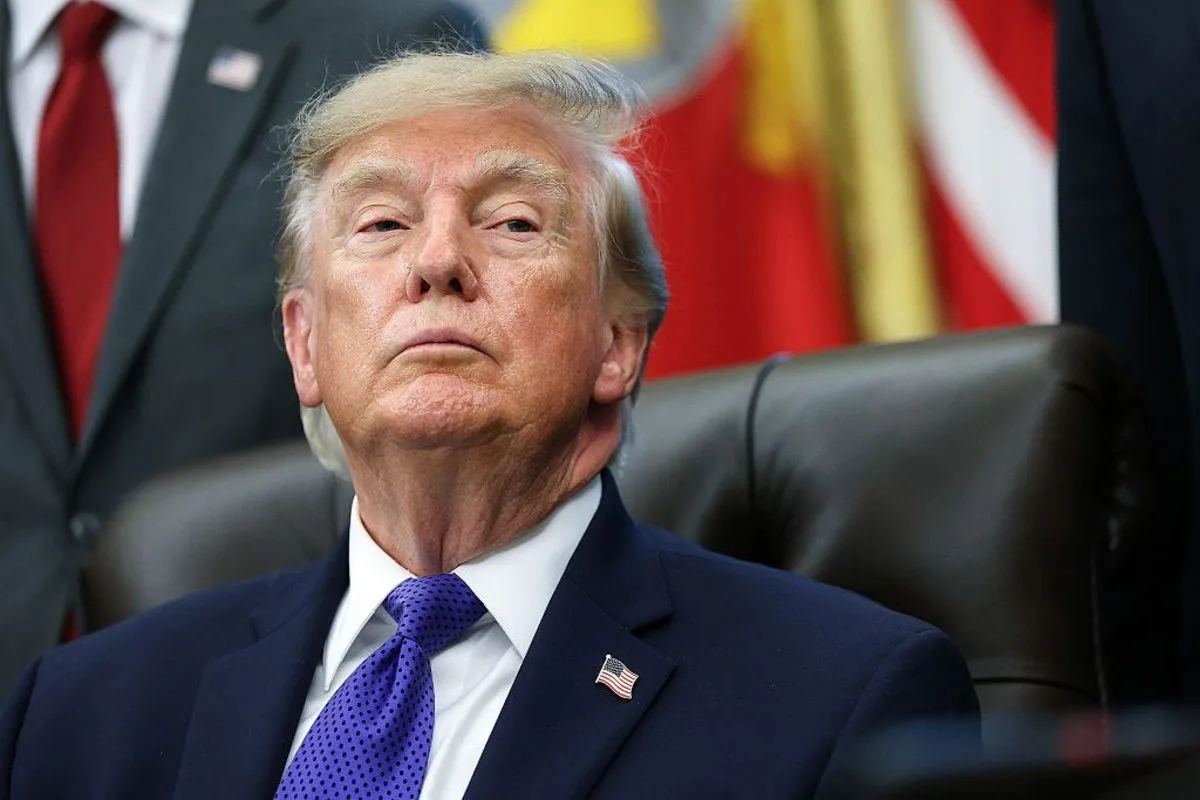
United States President Donald Trump officially introduced America.gov, an artificial intelligence-based government services site, at a launch event on 29 September. The portal is touted as a breakthrough that simplifies citizens' access to various federal services, from name changes to checking Medicare eligibility. However, behind that ambition, a number of technical problems and questioned security claims have begun to surface.
In his speech, Trump called America.gov the "ultimate product" that puts the government fully at the service of the people. "With America.gov, the federal government is no longer standing in your way, it is only serving you. We simplified it, beautified it, and made it the way it should be," he said. He also stressed that the site was built with privacy and security as priorities, even claiming it is theoretically unhackable.
That claim immediately drew scrutiny from Jessica Ji, a senior research analyst at Georgetown University's Center for Security and Emerging Technology (CSET). According to Ji, the statement that the site is immune to hacking has no strong technical basis. "It's basically impossible to know about a security hole before the hole is found," she told USA TODAY. She added that the AI chatbot used by America.gov has weaknesses that have not been fully mapped.
Ji considers America.gov still useful as a starting point for citizens who struggle to navigate complicated government sites. "I could imagine this being quite useful as a landing page for someone trying to access a certain system and not knowing where to start," she said. However, she warned that when AI is given the authority to handle personal data and act on behalf of users, security risks rise significantly. "You're expanding the attack surface quite a bit," she said.
In addition to launching the site, Trump signed an executive order directing federal agencies to integrate their services with America.gov. Joe Gebbia, Chief Design Officer of the United States and the architect of this project, in an interview with Fox News called the site a "concierge for navigating government". "Don't think of this as a website; it's more like a conversation you start with the government to get the answers you need," Gebbia said. He explained that the site is designed to provide step-by-step guidance, like a checklist with links to complete a name change at the state level.
"When this kind of AI system is given the authority to handle personal data and actually act on behalf of users, I think you're increasing the attack surface quite a bit." — Jessica Ji, CSET analyst
Even so, the incident of the chatbot giving irrelevant answers is an important note. Several Reddit users showed that when asked to play Minecraft, America.gov instead issued a random message. USA TODAY, which tried a similar request, got a similar response. This underscores that generative AI systems are still prone to misinterpretation, especially in the context of public services that demand high accuracy.
For Indonesia, the development of America.gov is an important mirror. The Indonesian government is pushing digital transformation through the Electronic-Based Government System (SPBE) and integrated services such as the Satu Data Portal. If it wants to adopt AI for public services, the issues of data security and response accuracy must be the top priority. Without thorough testing and strict governance, the risk of data leaks and misinformation could harm citizens.
Going forward, America.gov will be a major test for AI integration in state administration. If successful, this model could be copied by many countries. But if it fails, public trust in the digitalization of government services could erode. The question is, can the US government close the security gaps before AI is truly given the authority to act on behalf of citizens in 2027?