Thailand Deploys AI to Defend Durian Dominance in China Market
Baca dalam 60 detik
- Petani durian di Chanthaburi mengadopsi kamera, sensor, dan sistem data untuk memantau kondisi pohon secara digital.
- Teknologi asal China dipilih karena murah dan mudah diintegrasikan, seiring ketatnya persaingan di pasar ekspor.
- Inisiatif Durian Digital telah menjangkau lebih dari 10 ribu petani, mendorong standarisasi kualitas buah.
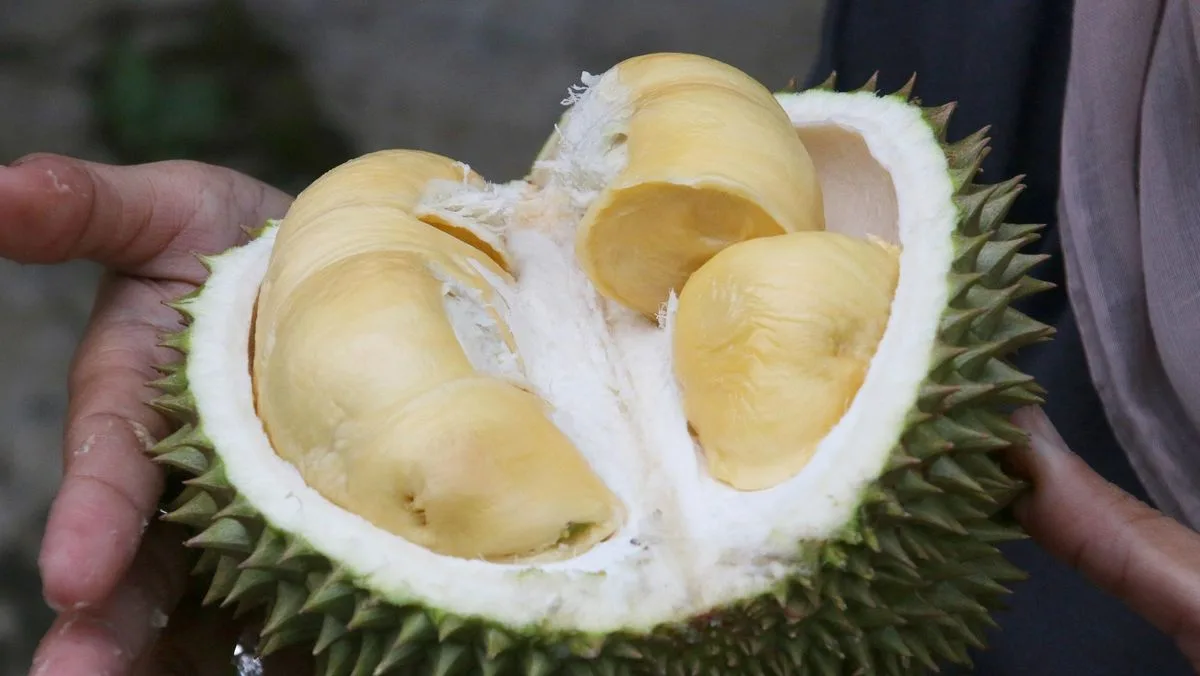
Durian farmers in Chanthaburi Province, Thailand, are starting to abandon traditional methods and turn to artificial intelligence (AI) to maintain fruit quality. The move is aimed at defending Thailand's position as the main durian supplier to China, a market worth nearly US$3.79 billion in the first half of 2026.
One farmer, Nuttawoot Chanrueng, has installed cameras, sensors, and a data system in his orchard. Most of the devices are imported from China. Each tree now has a digital record of its growing conditions. Internet of Things (IoT) and AI technologies help detect problems earlier and improve traceability.
Chanrueng said he adapted his parents' local wisdom into a digital format. "We take the wisdom of our parents, we don't leave them behind. We adapt their methods to suit our needs," he said. "We observe how they managed things and turn it into clear numerical data, all of which can be displayed in graphs."
According to Chanrueng, Chinese technology is in demand because it is affordable, accessible, and provides ready-made solutions that can be integrated with AI gradually. This matters amid increasingly tight competition and stricter export requirements, especially from China.
The Durian Digital Thailand initiative covers digital cultivation records, smart water management, and other supporting systems. The program aims to create consistency in taste and quality, which has long been a challenge in traditional cultivation.
Private companies in Thailand have also begun using AI to assess durian ripeness. Researchers are developing a system that can determine ripeness without cutting the fruit open, thereby reducing damage and waste.
For Indonesia, which is also a durian producer and has ambitions to boost exports, Thailand's move is a signal that competition in the global market is no longer only about volume, but also quality and consistency. Adopting similar technology could be an opportunity for Indonesian farmers to improve competitiveness, especially if supported by policies that encourage agricultural digitalization.
Going forward, the big question is how widely this technology can be adopted and whether Thailand can maintain its market share in China. Meanwhile, other producer countries need to move quickly if they do not want to fall behind in the race toward precision agriculture.