Argo Bromo Anggrek Driver Named Suspect, Police Cite KNKT Findings
Baca dalam 60 detik
- Penyidik Polda Metro Jaya menetapkan masinis KA Argo Bromo Anggrek berinisial AN sebagai tersangka kecelakaan di Stasiun Bekasi Timur.
- Laporan KNKT yang menyoroti enam kelemahan sistem perkeretaapian dijadikan bahan pertimbangan penyidikan, bukan penentu kesalahan.
- Ancaman hukuman 5-12 tahun menanti AN, sementara publik menanti apakah pembenahan sistem akan mengikuti proses hukum.
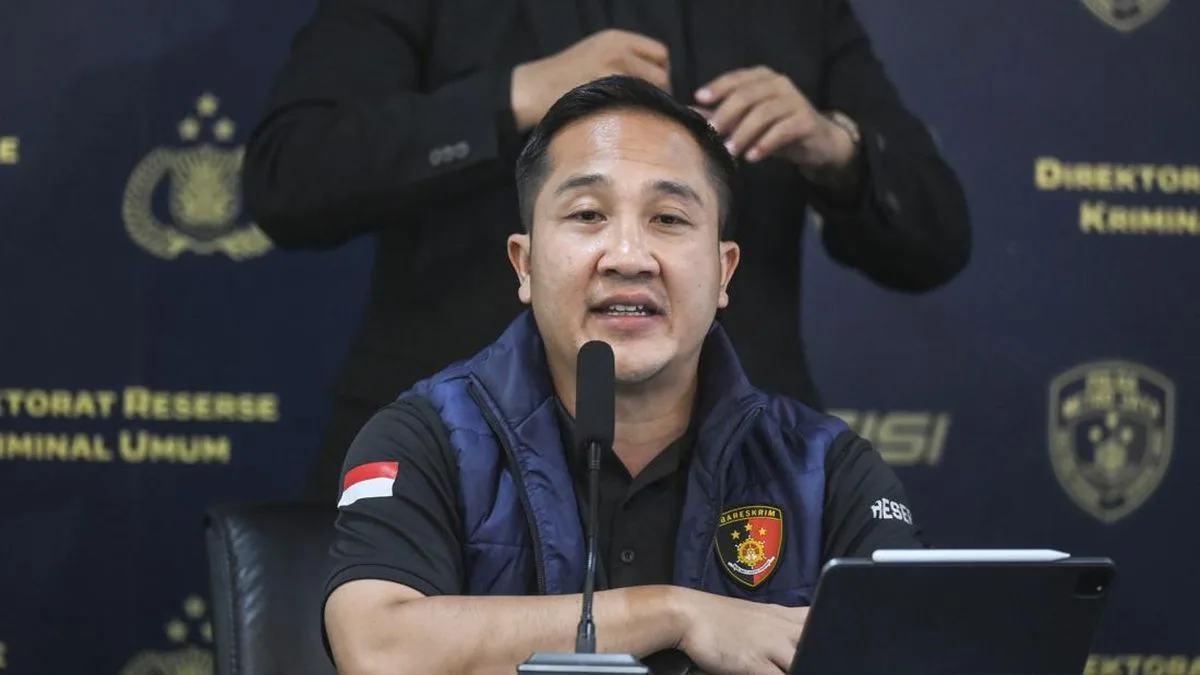
Polda Metro Jaya has officially named the driver of the Argo Bromo Anggrek train, identified by the initials AN, as a suspect in the chain-reaction crash with a Commuter Line KRL at East Bekasi Station, West Java, which occurred last April. The suspect designation was announced on Tuesday (29/9), several days after the National Transportation Safety Committee (KNKT) released its final investigation report highlighting six contributing factors in the incident.
Deputy Director of General Criminal Investigation at Polda Metro Jaya AKBP I Dewa Anom Danujaya stressed that the KNKT findings were one of the investigators' considerations, but not the sole basis for determining fault. "We used the evidence collected, including input from KNKT, as well as expert testimony," he said at Polda Metro Jaya headquarters in Jakarta.
According to Anom, investigators applied the scientific criminal investigation method by examining 54 witnesses, analyzing CCTV footage, data loggers, and recordings of communications between train dispatchers (PPKP) and the driver. From that body of evidence, investigators concluded that AN could be charged under Articles 323, 324, and 474 of the Criminal Code as well as Articles 198 and 206 of Law No. 23 of 2007 on Railways, carrying a prison sentence of 5 to 12 years.
The KNKT report released earlier this week said the crash was triggered by a combination of technical and procedural failures. First, the exit signal from Bekasi Station displayed a green aspect immediately followed by a red signal without a yellow warning, so the driver of train KA 4B received no early information. Second, there was no emergency call from the KRL that stopped suddenly, and there was no standard emergency communication structure. Third, information about train KA 5568A being held up by a crowd at a level crossing was not conveyed to the South dispatcher because the communication channel was cut off.
KNKT also noted the absence of an information-sharing mechanism between the South and East dispatchers, the failure to identify the UB 104 subsidiary signal due to low visibility and light reflection on the locomotive windshield, and the lack of an emergency braking procedure on a high-speed curved track. "Without tactical reference, the braking decision depends on the driver's subjective judgment," KNKT wrote in the report.
"KNKT has explained the data, but it has nothing to do with determining a person's position as guilty," said AKBP I Dewa Anom Danujaya.
The suspect designation raises questions about the direction of law enforcement in the public transportation sector. Railway policy observers argue that focusing on an individual risks ignoring systemic responsibility. "If the six factors identified by KNKT are mostly system failures, then prosecuting only the driver will not prevent similar incidents from recurring," said a transportation analyst who asked not to be named.
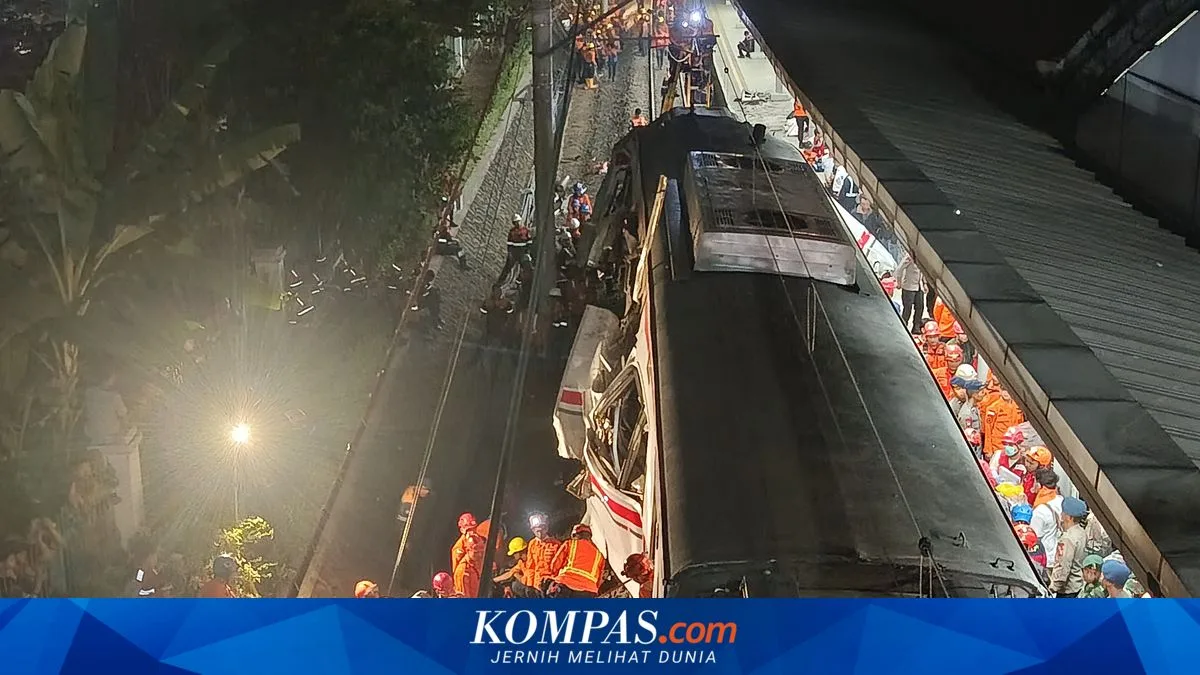
The crash began when an electric taxi broke down at a level crossing due to an electrical fault, then was hit by a passing KRL. The KRL bound for Cikarang then made an emergency stop at East Bekasi Station, and in that position the Argo Bromo Anggrek train struck it from behind. The rear women-only car was crushed, killing more than a dozen passengers.
For rail users in Greater Jakarta, this case is a test of the government's commitment to improving safety standards. The Ministry of Transportation and PT KAI face pressure not only to fix signals and communication procedures, but also to ensure that the independent investigation does not stop at a report. Without comprehensive reform, public trust in the mass transportation mode that is the backbone of the capital's mobility could erode.
Going forward, the public is waiting to see whether the legal process against AN will be matched by a comprehensive safety audit and sanctions for parties negligent in maintaining the signaling system. If not, the big question is: will this crash be remembered as a turning point for improvement, or merely a dark note that repeats?