Japanese Citizen Challenges Article 140 of the Civil Code at Constitutional Court: Marriage Agreement Can Strip Rp291 Billion Inheritance Rights
Baca dalam 60 detik
- Hisako Dewanto, warga negara Jepang yang menetap di Surabaya, memohon Mahkamah Konstitusi membatalkan frasa dalam Pasal 140 KUHPerdata yang membuatnya kehilangan hak waris dari almarhum suaminya.
- Sengketa bermula dari perjanjian kawin yang memisahkan harta secara total, sehingga pengadilan memutus seluruh warisan jatuh ke tiga anak tanpa menyertakan Hisako.
- Permohonan ini berpotensi mengubah lanskap hukum waris Indonesia, khususnya perlindungan pasangan yang hidup lebih lama dalam perkawinan campuran.
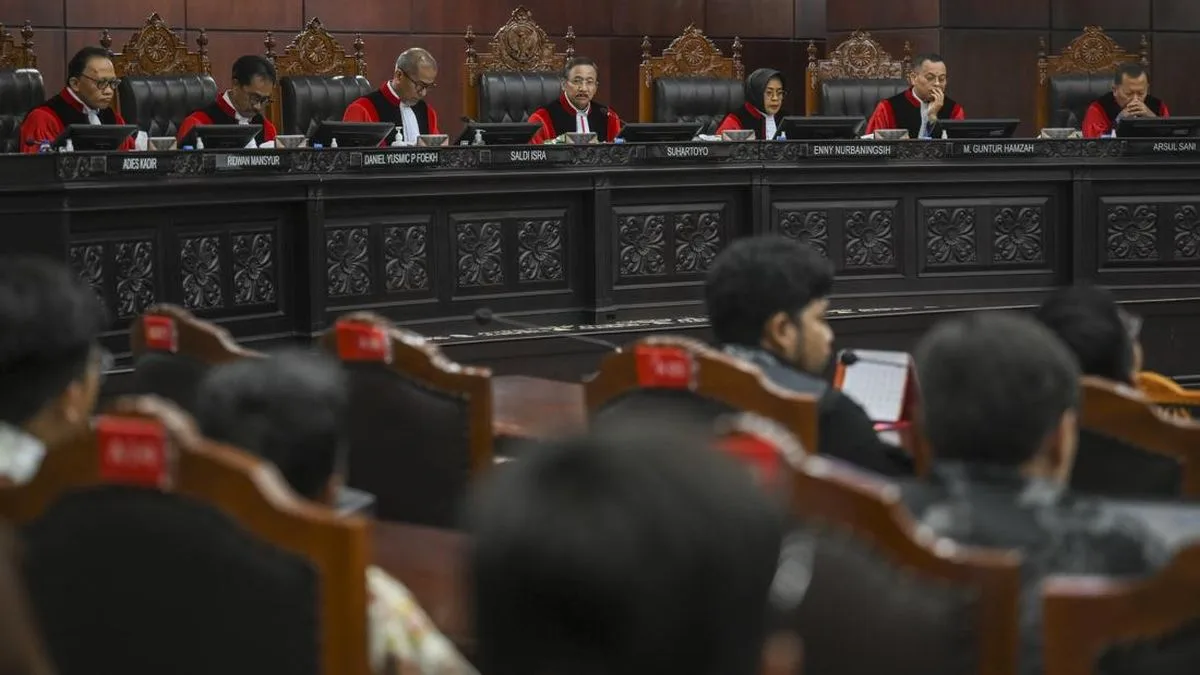
The Constitutional Court (MK) has accepted a judicial review petition against Article 140 of the Civil Code (KUHPerdata) filed by Hisako Dewanto, a Japanese citizen who has long resided in Surabaya. The petition is registered under number 334/PUU-XXIV/2026. At the petition revision hearing on Monday (28/9), Hisako's attorney, Fatiatulo Lazira, revealed that the provision had caused her client to lose the right to inherit the estate of her late husband, Rachmat Hartojo, valued at an estimated Rp291 billion.
According to Fati, letters from the tax office show unreported assets in the deceased's name worth Rp231 billion, including overseas assets of around Rp60 billion. In addition, there are several personal bank accounts of the deceased that were allegedly used by other parties to manipulate financial transactions. Fati also revealed that the deceased had once bought 43 kilograms of gold bars in cash, which were then handed over to his mother. The money for the gold purchase is strongly suspected to have come from cash withdrawals from companies in which the deceased held shares.
Hisako married Rachmat Hartojo, an Indonesian citizen, in 1997 and lived in Surabaya, where they had three children. After her husband died, the first child granted Hisako power of attorney to manage the estate in November 2022, but the mandate was revoked in December of the same year. Since then, the inheritance dispute between Hisako and the children and her mother-in-law has heated up. The first-instance court ruled that the entire estate be divided three ways for the children, with no share for Hisako. The ruling was upheld at the cassation level on the grounds that a binding marriage agreement existed, so there was no joint property and the inheritance was divided according to the agreement.
Article 140 of the Civil Code currently in force states that a marriage agreement may not reduce the rights granted by law to the surviving party. However, the phrase "the surviving party" in the article has been interpreted as not covering inheritance rights for the longer-surviving spouse, especially if there is a separation of assets agreement. The petitioners argue that this norm contradicts Article 1 paragraph (3), Article 28D paragraph (1), and Article 28H paragraph (4) of the 1945 Constitution. They ask the Constitutional Court to declare the phrase conditionally unconstitutional and to interpret it so that a marriage agreement, including total separation of assets, cannot erase the inheritance rights of the longer-surviving spouse, including those who are foreign citizens.
"Based on letters from the tax office, there are assets in the name of Hisako Dewanto's late husband that have not been reported, totaling Rp231 billion, including assets worth around Rp60 billion abroad," said Fatiatulo Lazira.
Besides Hisako, there are three other petitioners: Jessica Tritanya (a student), and the married couple Hartono Effendi and Chientasari Ichsan. They challenge Article 140 of the Civil Code because it limits the scope of marriage agreements and often harms the longer-surviving party. According to the petitioners, this article must still apply to anyone within Indonesia's jurisdiction, including foreign nationals like Hisako who already hold an ID card and reside permanently.
This case highlights a gap in Indonesian inheritance law that could affect mixed marriages. Many couples choose a marriage agreement to protect their respective assets, but without sufficient understanding, such an agreement can eliminate the inheritance rights of the longer-surviving spouse. If the Constitutional Court grants the petition, there will be a significant change in the practice of drafting marriage agreements and in legal protection for the surviving spouse. On the other hand, this ruling could also affect legal certainty for other heirs, especially the children of the marriage.
The Constitutional Court has not scheduled a final ruling. However, this case is a test of the sensitivity of Indonesian law to gender justice and the protection of foreign nationals married to Indonesian citizens. Will the Constitutional Court broaden the interpretation of spousal inheritance rights, or maintain the status quo deemed harmful to the longer-surviving party?