Ex-Customs Official Admits Gifts Vanished Before KPK Raid: 'Taken Away Out of Fear'
Baca dalam 60 detik
- Mantan Direktur P2 DJBC, Rizal, mengakui bingkisan dari importir dan pengusaha cukai dipindahkan dari rumahnya sesaat sebelum penyidik KPK melakukan penggeledahan.
- Pengakuan itu muncul saat ia bersaksi dalam sidang dugaan suap dan gratifikasi dengan terdakwa Orlando Hamonangan di Pengadilan Tipikor Jakarta.
- Kasus ini membuka celah pengawasan aset pejabat, sekaligus menguji efektivitas strategi penyidikan KPK dalam mengunci barang bukti.
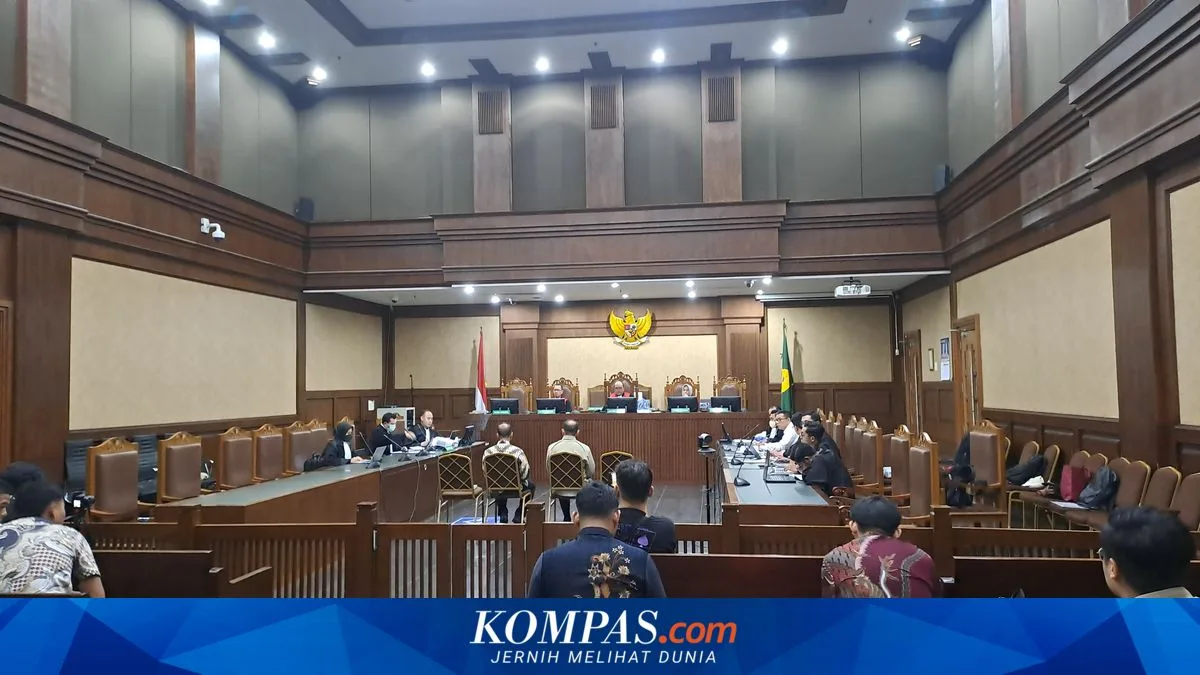
JAKARTA — Former Director of Enforcement and Investigation at the Directorate General of Customs and Excise (DJBC) Rizal revealed that a number of gift packages kept at his residence had been moved before investigators from the Corruption Eradication Commission (KPK) carried out a search. The admission was made when he was presented as a witness in the trial of an alleged bribery and gratification case with defendant Orlando Hamonangan at the Jakarta Corruption Court, Monday (28/9/2026).
During the trial, prosecutors traced the origin of farewell gift packages suspected to have come from the operational funds of importer businessmen and customs business actors. Rizal admitted he had received the deliveries and brought them to his home. However, when the KPK came to search, the items were no longer there. "Yes, they were taken away, Sir," he said in response to the prosecutor's question.
The reason Rizal gave was straightforward: fear. According to him, the items were moved because he worried the gift packages would be discovered during the search. He also admitted he did not know for certain who took the items away, because at the time of the incident he was already at the KPK office. "They didn't meet me, Sir. I had already been taken to the KPK," he said.
Rizal stressed that only the gift packages or gift items were moved. Other items in his house, according to him, were not taken anywhere. Currently, a number of those items have been seized by the KPK investigation team. The admission forms part of the series of witness examinations in the case ensnaring Orlando Hamonangan.
For the public, this admission is not merely a courtroom story. It highlights a pattern of vulnerability in internal oversight within an institution that holds great authority over the flow of goods and customs. When officials feel the need to hide evidence, the question is not only one of personal integrity, but of how far the oversight system can prevent similar practices from occurring in the first place.
From a law enforcement perspective, this incident is also a test for the KPK. Searches carried out after a suspect or witness is secured are indeed common, but this incident shows there is still a window of time that others can exploit to remove evidence. Investigators are required to strengthen cross-agency coordination, including securing locations earlier, so that evidence does not change hands.
"Because of fear, Sir, at home," Rizal said when asked why the gift packages were moved.
For business actors, especially importers and exporters who deal with Customs every day, this case adds to a long list of concerns about certainty and service integrity. When rogue officials receive gifts from businessmen, there is a risk of distortion in decision-making, from document inspection to the determination of customs value. The impact can be felt directly by rule-abiding importers: logistics costs swell, loading and unloading times drag on, and competitiveness declines.
The government itself has repeatedly emphasized its commitment to improving Customs governance, including through service digitalization and strengthened internal oversight. However, the admission in this trial shows that administrative reform is not enough without consistent and transparent law enforcement. The public has the right to demand an explanation of why evidence could be moved before the search, and who was involved in the removal.
Going forward, two things deserve scrutiny. First, whether the KPK will investigate those who took the gift packages away, because such an act could potentially obstruct the investigation. Second, whether DJBC will conduct a thorough evaluation of officials who have served in strategic positions, especially those whose names have surfaced in the trial. Without firm action, the trust of business actors and the public in the institution will continue to erode.