Meta Releases Rp20 Million VR Glasses, Users Complain of 'Light Leakage' and Narrow Field of View
Baca dalam 60 detik
- Meta meluncurkan kacamata VR seharga $1.299 di ajang Meta Connect 2026, memicu perdebatan di kalangan pengguna.
- Keluhan utama terletak pada field of view 70 derajat yang dinilai terlalu sempit dan kebocoran cahaya yang mengganggu imersi.
- Harga yang jauh lebih tinggi dari Quest 3 dan Steam Frame memicu kekhawatiran bahwa VR semakin tidak terjangkau.
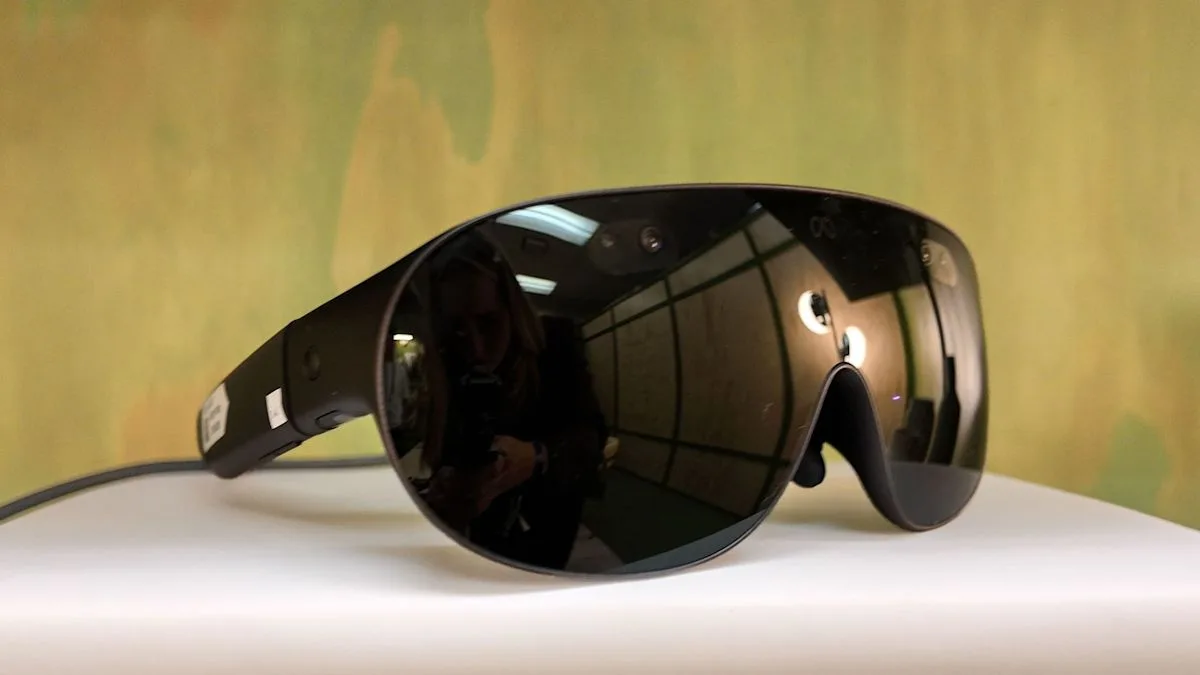
Meta officially introduced its latest VR glasses at Meta Connect 2026. The device, priced at a launch price of $1,299 or around Rp20 million (assuming an exchange rate of Rp15,500), immediately drew a range of harsh reactions from the tech community, especially regarding its technical specifications and pricing strategy.
Many observers and early users questioned whether the device truly deserves to be called a VR headset. Meta designed the glasses with a deliberate peripheral gap, allowing light and the surrounding environment to remain visible from the bottom and sides of the lenses. This decision was made after Meta's internal survey of headset users who wanted peripheral visibility. However, for most VR users, this feature is seen as a major step backward.
"This looks like two steps backward for VR. A 70-degree field of view might be enough for AR, but not for VR," said Mario Basiola, one of the users who commented. "That much light leakage might be good for AR, but for VR it ruins immersion. These are AR glasses, not VR."
The main criticism is indeed aimed at the field of view (FOV) figure of only 70 degrees. For comparison, the Meta Quest 3 offers an FOV of up to 110 degrees. This 40-degree difference is very significant in creating an immersive experience. The wider the FOV, the broader the user's view within the virtual world, making the sense of presence stronger. Conversely, a narrow FOV makes the VR experience feel like looking through binoculars.
In addition, the deliberate light leakage has become a fierce debate. Conventional VR headsets are designed to completely block external light so that users are truly immersed in virtual content. With a peripheral gap, outside light will easily enter, especially when used in a bright room. Another user even called the idea "bad for anything that requires immersion" and predicted the light leakage would be very severe.
Even so, not all responses were negative. Some users said they were enthusiastic about trying the device, especially those who want a lighter headset that does not strain the neck. "I can't wait for the price to become more affordable. I have a Quest 3 and use it for exercise, but I have neck problems and have long been waiting for a lighter headset," said one commentator. However, even the most positive comments came with doubts about the price. "This is a big step, but it should be cheaper, not more expensive. If you want to keep playing games, you have to be rich or make another choice," he added.
The $1,299 price indeed places the Meta VR Glasses in the premium segment. This figure is far above the Quest 3, which sells for $549, and is even more expensive than Valve's base price for the Steam Frame, which is priced at $1,049. Although the 1TB variant of the Steam Frame is also priced at $1,299, public expectations of Meta as the VR market leader are still to deliver a more affordable device, not the opposite.
In the Indonesian context, this launch could reflect how VR adoption in the domestic market still faces major challenges. The Rp20 million price is equivalent to twice the 2026 Jakarta minimum wage, making the device reachable only by the upper segment. Yet the potential for VR in Indonesia is quite large, especially for education, industrial training, and virtual tourism. If Meta wants to expand the VR ecosystem in developing countries, an aggressive pricing strategy and fit-for-purpose specifications are key. Without that, VR will remain a luxury item that struggles to enter the mainstream.
Going forward, Meta appears to need to listen more carefully to user feedback. Will it release a variant with a wider FOV and a lower price? Or will it insist on its AR-heavy vision? What is clear is that competition in the XR market is getting tighter with players such as Valve and Apple. Meta's decision to position these glasses as a hybrid AR/VR device with technical compromises could be a long-term strategy, but the risk is alienating the hardcore VR user base that has so far been the backbone of its ecosystem.